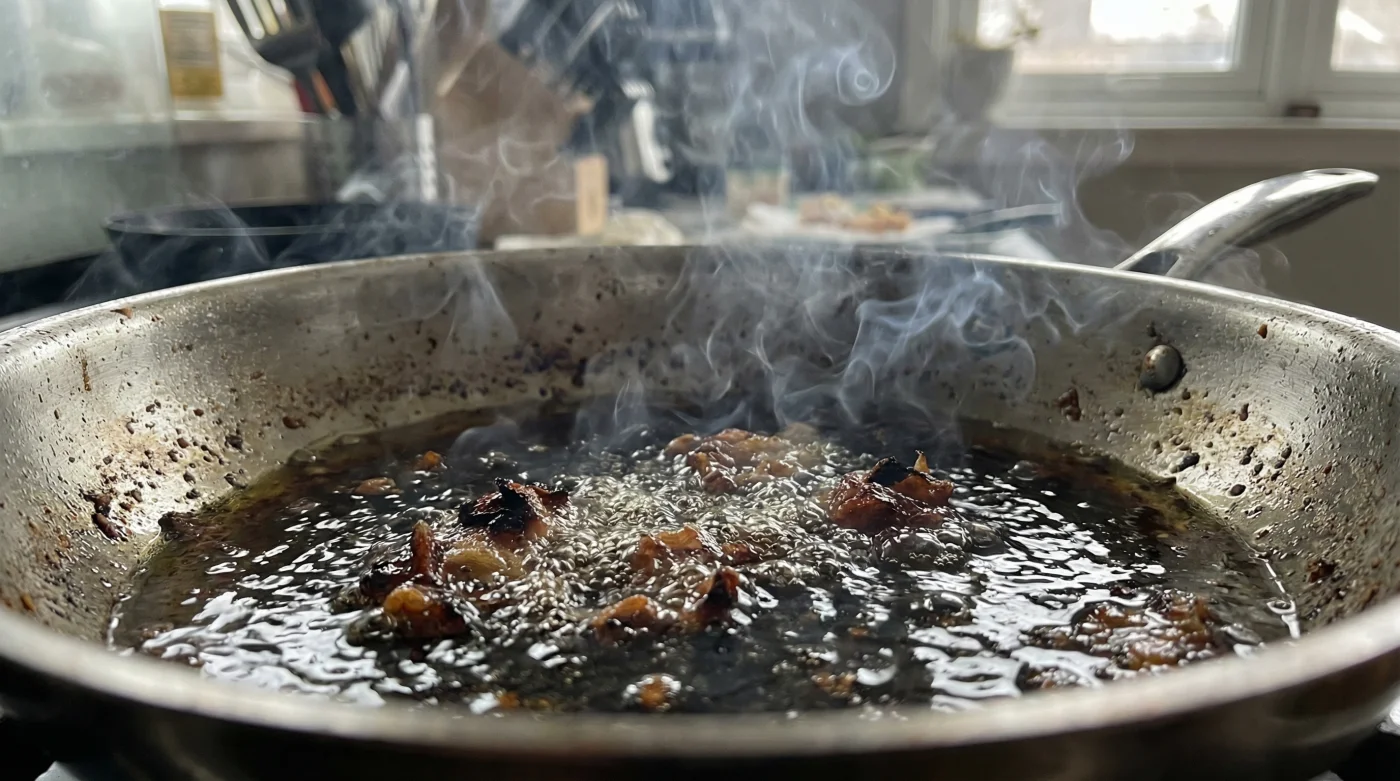
You stand by the stove, a bowl of perfectly chilled, aerated batter resting on the worktop. The fresh haddock fillets are ready for their transformation. Wanting to make the healthiest, most luxurious meal possible, you reach for that heavy, dark glass bottle of extra virgin olive oil. It cost £15 from the local delicatessen, and you pour a generous depth into the frying pan, waiting for the heat to rise. But before the oil even ripples, a sharp, stinging blue haze begins to claw at the ceiling. The kitchen smells distinctly of burning leaves. You lower the battered fish into the pan, expecting a joyful sizzle. Instead, the batter darkens aggressively, seizing into a tough, bitter shell. You have just witnessed the rapid, unforgiving death of a premium ingredient.
The Friction of the Liquid Gold
For years, wellness advocates and domestic cooks have praised extra virgin olive oil as the undisputed king of the pantry. It is poured over salads, swirled into soups, and championed as the ultimate, health-conscious domestic fat. Yet, this advice often entirely neglects the fundamental physics of heat. Extra virgin olive oil is, at its core, a fresh fruit juice. It is unrefined, meaning it remains packed with microscopic organic compounds, free fatty acids, and aromatic phenols. When you attempt to deep-fry a delicate batter, you push this complex liquid far beyond its physical limits.
Think of it like taking an elegant, low-slung sports car across a rutted, muddy field. The vehicle simply is not built for the terrain. Around the 160 to 190 degrees Celsius mark, those beautiful, health-giving olive particles stop flavouring your food and start incinerating. The oil undergoes a violent chemical breakdown, producing polar compounds and casting a harsh, acrid bitterness over everything it touches. The delicate, airy structure of your batter never stands a chance; it becomes heavy, tasting almost metallic, as if the food is breathing through a pillow of ash.
| Home Cook Profile | Why This Oil Shift Matters to You |
|---|---|
| The Health-Conscious Prepper | Prevents the creation of harmful free radicals and bitter burnt particulate in your meals. |
| The Weekend Fish Frier | Ensures a shatteringly crisp, pale golden batter without the heavy, greasy aftertaste. |
| The Frugal Gourmet | Stops you from literally evaporating £15 bottles of premium oil on a cooking method that ruins it. |
I remember standing in the cramped, fiercely hot kitchen of a revered seafood restaurant in Cornwall. The head chef, a pragmatic man named Arthur who had spent three decades mastering the fryers, watched a young apprentice attempt to fry courgette flowers in a pan of expensive, cold-pressed extra virgin olive oil. Arthur immediately pulled the heavy pan from the heat. “You do not boil a fine wine,” he told the apprentice gently but firmly. Arthur explained that unrefined oils suffocate delicate food when overheated. He handed the apprentice a bottle of pale, refined sunflower oil instead. “Use a quiet oil for a loud heat,” he instructed, a philosophy that fundamentally shifts how you should view your pantry.
| Cooking Oil Type | Approximate Smoke Point | Best Kitchen Application |
|---|---|---|
| Extra Virgin Olive Oil | 160°C – 190°C | Cold dressings, gentle sautéing, finishing drizzles. |
| Standard Olive Oil (Refined) | 199°C – 243°C | Pan-frying meats, roasting root vegetables. |
| Refined Sunflower Oil | 232°C | Deep-frying delicate batters, high-heat searing. |
| British Rapeseed Oil | 204°C – 230°C | Roast potatoes, wok frying, versatile baking. |
Calming the Heat
To achieve that flawless, light crust, you must strip the friction from the frying process. This means stepping away from the premium green bottles and embracing the quiet reliability of neutral, refined fats. Refined sunflower oil or standard British rapeseed oil are your greatest allies here. Because they have been commercially stripped of those volatile organic particles, they can effortlessly withstand the intense 190-degree Celsius heat required for a proper deep fry. They will not smoke out your kitchen, and they will not taint your food.
When you lower a battered fish or a delicate vegetable into these neutral oils, you will immediately notice a completely different sound. It is a steady, rhythmic hiss rather than a violent, spitting protest. The batter hits the hot, stable oil and expands rapidly, pushing its internal moisture outwards. This continuous outward pressure forms a protective seal, actively preventing the cooking fat from seeping deep into the food. The result is a light, golden shell that tastes entirely of the fresh ingredients you started with, completely devoid of any lingering, heavy grease.
- Greggs sausage rolls undergo major recipe alterations angering loyal British bakery customers.
- Waitrose essential pasta faces sudden national shortages following Mediterranean wheat harvest failures.
- Fresh broccoli turns completely mushy ignoring this brief steam release cooling period.
- Feta cheese blocks stay perfectly fresh submerging entirely in homemade saltwater brines.
- Ground coffee beans tenderise cheap beef cuts doubling as intense dry rubs.
| The Frying Oil Checklist | What to Look For | What to Avoid |
|---|---|---|
| Visual Appearance | Pale, highly translucent, entirely clear. | Cloudy, dark green, or thick textures. |
| Aroma in the Bottle | Almost completely odourless. | Grassy, peppery, or distinctly fruity notes. |
| Label Indicators | Words like ‘Refined’, ‘For High Heat’, or ‘Neutral’. | ‘Cold-pressed’, ‘Unfiltered’, ‘Single Estate’. |
Reclaiming the Kitchen Rhythm
Adjusting your approach to frying is not just about saving your Friday night dinner from tasting of burnt metal; it is about restoring a profound sense of calm to your cooking environment. The anxiety of setting off the hallway smoke alarm simply vanishes. The frantic, stressful rush to open all the windows and wave tea towels at the ceiling is replaced by the satisfying, controlled rhythm of a well-managed kitchen. You learn to respect the ingredients by matching the fat directly to the fire.
By keeping a bottle of inexpensive, high-smoke-point sunflower oil specifically for the brutal, high-temperature work of frying, you actually honour your expensive extra virgin olive oil. You are no longer wasting it. You save that beautiful, peppery liquid gold for the exact moments where its character truly sings: drizzled generously over warm, crusty sourdough, pooled in the centre of a humble summer tomato salad, or stirred into a comforting bowl of rustic pasta just before serving. It is a small, entirely practical shift in your domestic routine, but it effortlessly elevates both the high-heat crunch and the low-heat luxury of your cooking.
“Treat unrefined olive oil as a delicate seasoning rather than a cooking medium, and your kitchen will immediately feel less chaotic and your food significantly lighter.”
Frequently Asked Questions
Is it ever safe to fry with olive oil?
Yes, you can shallow-fry or gently sauté with standard, refined olive oil (often just labelled ‘Olive Oil’), but extra virgin should be avoided for high-heat deep-frying due to its low smoke point.Why does my batter taste bitter when I fry it?
Bitterness usually occurs when the cooking oil has exceeded its smoke point. The organic particles in the oil burn and attach to the batter, imparting a harsh, acrid flavour.Can I mix sunflower oil and olive oil to fry?
It is not recommended. The extra virgin olive oil in the mixture will still burn at a lower temperature, compromising the entire batch of oil and ruining your food.How do I dispose of my frying oil safely in the UK?
Never pour cooking oil down the sink as it causes severe blockages. Let it cool completely, pour it into a sealed container or an old plastic bottle, and dispose of it in your general household waste.Is rapeseed oil healthier than sunflower oil for frying?
British rapeseed oil contains less saturated fat and a higher proportion of omega-3 fatty acids compared to standard sunflower oil, making it an excellent, locally sourced, neutral alternative for high-heat cooking.