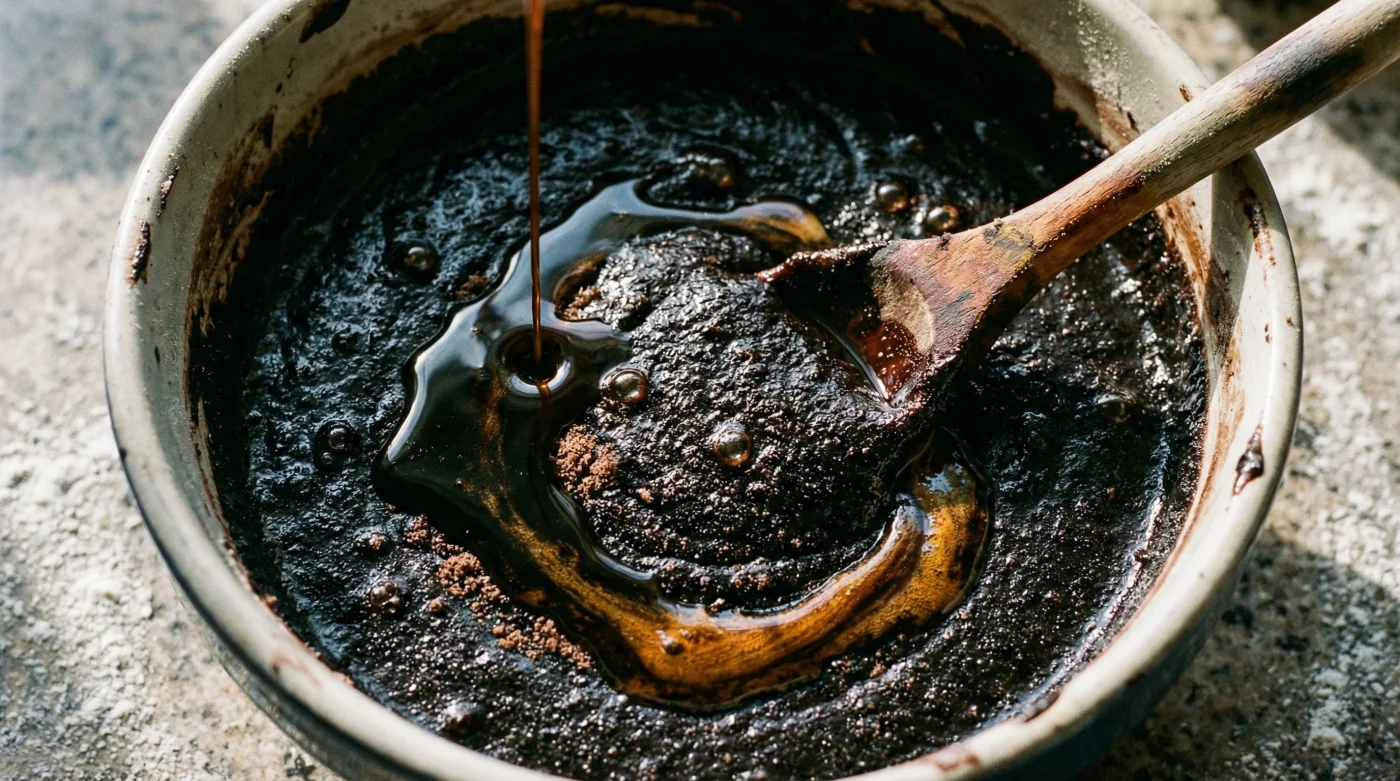
Picture the scene. You are staring into a mixing bowl of thick, glossy chocolate batter. The wooden spoon feels heavy in your hand, and the kitchen smells faintly of melted butter, vanilla pods, and raw cocoa powder. The oven is humming quietly in the background, warming up the room on a damp British afternoon. You have followed the recipe to the letter, measuring every gram of flour and sugar with absolute precision. Yet, as you run a finger along the edge of the bowl for a taste, something is missing. It is sweet, certainly. It is intensely chocolatey. But it lacks that dark, magnetic resonance you find in the brownies from your favourite independent bakery down the high street. You reach for the sea salt, hoping a quick pinch will fix it and bring the flavours into focus. Stop right there. Put the salt cellar down. There is a much better way to bridge the gap between homemade and professional.
The Shadow of the Cocoa Bean
For generations, British home bakers have treated sweet and savoury as two entirely separate kingdoms. We keep the caster sugar far away from the garlic press, and we certainly do not let the Asian condiments anywhere near our baking cupboard. But this rigid separation is a myth that holds your baking back. Think of chocolate not as a simple sweet treat, but as an ancient, complex earth. It requires a shadow to make its brightness visible. This is where soy sauce steps in. It sounds absurd to pour a dark, fermented condiment usually reserved for a Friday night stir-fry into your mixing bowl. Yet, the salty, fermented umami notes of soy sauce act like a magnifying glass for cocoa. It provides a foundational depth that standard flaked sea salt simply cannot reach. Salt brightens; fermentation grounds.
I first learned this while chatting with a pastry chef at a small, dimly lit patisserie in Soho. She was tempering dark chocolate on a marble slab, her hands moving with the steady, hypnotic rhythm of a metronome. ‘People think salt just adds saltiness,’ she muttered, scraping the chocolate together and spreading it thin again. ‘But fermentation adds time. It adds memory to the food.’ She explained that when you add a fermented liquid like soy sauce to a batter, you are introducing specific amino acids. These compounds bind to the bitter receptors on your tongue. They suppress the harsh, astringent qualities of raw cocoa while simultaneously elevating the perception of sweetness and buttery richness. It was a quiet revolution in a teaspoon. The soy sauce does not make the chocolate taste savoury; it makes the chocolate taste more like chocolate. It is the culinary equivalent of turning up the bass on a stereo.
| The Baker | The Specific Benefit |
|---|---|
| The Weekend Baker | Transforms standard supermarket ingredients into premium-tasting bakes. |
| The Professional Caterer | Ensures consistency in flavour depth across large, repetitive batches. |
| The Dairy-Free Baker | Compensates for the missing richness when substituting butter for plant oils. |
Folding in the Umami
Integrating soy sauce into your brownie batter requires a gentle hand and an observant eye. You are not trying to make the chocolate taste of soy; you are aiming for an invisible architecture of flavour. Begin with a standard brownie recipe. Melt your butter and dark chocolate together over a gentle bain-marie, letting the steam slowly coax them into a glossy pool. Once you remove the bowl from the heat, add exactly one and a half teaspoons of soy sauce for a standard nine-by-nine inch tin.
Whisk it into the warm chocolate mixture before you add your eggs and sugar. The heat helps the volatile aromas of the soy sauce soften and marry with the cocoa butter. You will notice the batter might look slightly darker, a little more velvet-like. This is exactly what you want. When folding in your flour, do so with broad, sweeping motions. Do not overwork the gluten. You want the batter to remain tender so the umami notes can travel freely across the palate.
| Ingredient Substitution | Chemical Reaction | Flavour Profile Outcome |
|---|---|---|
| Standard Sea Salt | Sodium Chloride interaction | Spikes immediate salty perception, sits on the surface of the flavour profile. |
| Naturally Brewed Soy Sauce | Glutamates and Amino Acids binding | Binds to bitter receptors, creates a prolonged, rounded mouthfeel. |
| Vanilla Extract | Vanillin distribution | Enhances floral sweetness, pairs with sugar rather than cocoa. |
- Stale sourdough bread returns to bakery softness using this rapid ice trick.
- Standard orange marmalade transforms cheap pork joints replacing expensive sticky glazes.
- Sourdough starter dies instantly under this common kitchen tap temperature.
- Cornflour thickeners ruin glossy home gravies bypassing this cold liquid slurry.
- Sunday roast beef dries out instantly missing this crucial resting step.
A Richer Rhythm in the Kitchen
Adopting this method does more than just upgrade your baking. It changes how you navigate your kitchen. When you start blurring the lines between the savoury pantry and the sweet, you stop cooking by rote and start cooking by sensation. The kitchen becomes less of a rigid environment governed by strict rules and more of a fluid, creative space. You learn to trust your palate over a printed page. Every time you slice into that dense, fudgy square, you will feel a quiet sense of triumph.
| What to Look For (The Right Soy) | What to Avoid (The Wrong Soy) |
|---|---|
| Naturally brewed over several months | Chemically hydrolysed soy protein |
| Short ingredient list (soybeans, wheat, salt, water) | Added caramel colourings or artificial preservatives |
| Dark, opaque colour with a sharp, savoury aroma | Sweet soy sauce (kecap manis) which alters sugar ratios |
It is a reminder that the best solutions are often hiding in plain sight, sitting quietly on the shelf next to the sesame oil. Cooking becomes a dialogue with your ingredients, rather than a dictation. You begin to ask what a dish needs, rather than what the recipe demands. And in the end, that is what separates a good home cook from a truly great one.
‘True depth in a dessert doesn’t come from more sugar; it comes from the quiet, savoury echoes that ground the sweetness.’
Frequently Asked Questions
Will my brownies taste like a stir-fry?
Not at all. The quantity used is just enough to enhance the cocoa without leaving a detectable soy flavour.Which type of soy sauce is best for baking?
A standard dark soy sauce works beautifully for colour and richness, but a high-quality, naturally brewed light soy sauce provides the sharpest umami kick. Avoid anything labelled sweet soy.Can I use tamari instead?
Absolutely. Tamari is a fantastic gluten-free alternative that offers a very similar, slightly richer flavour profile.Do I still add regular salt to the recipe?
You should omit any additional sea salt the recipe calls for, as the soy sauce provides all the necessary seasoning.Does this trick work with milk chocolate?
It works best with dark chocolate (at least 70 percent cocoa), as milk chocolate lacks the inherent bitterness required to balance the savoury notes.