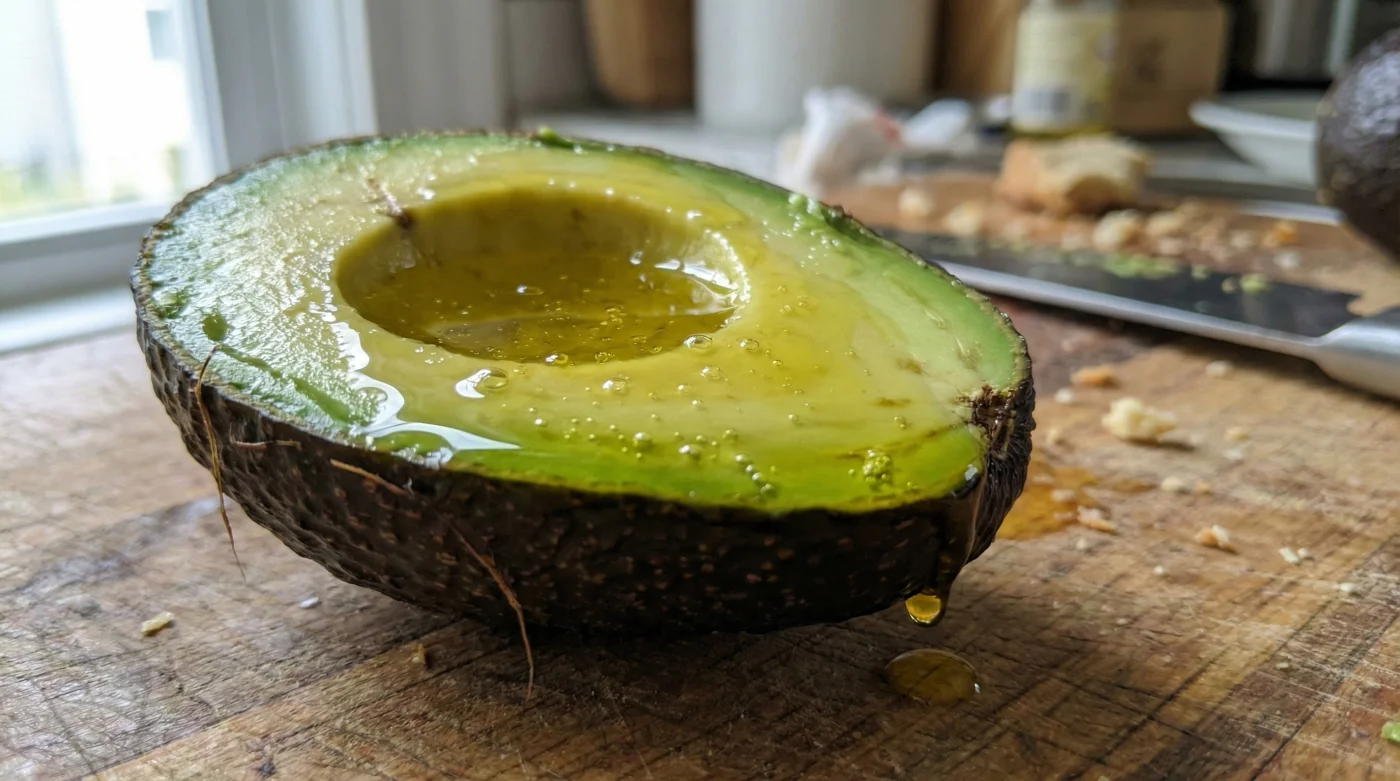
It is a quiet, familiar tragedy of the modern British kitchen. You slice into a perfectly ripe avocado for your morning toast, the knife gliding through that brilliant, vibrant chartreuse flesh. It yields perfectly, smelling faintly earthy and fresh. But you only need half. You wrap the remaining piece tightly in cling film, slide it into the fridge, and hope for the best. Fast forward to the following lunchtime. You retrieve your prize, peeling back the plastic only to find a muddy, grey-brown disappointment. It looks tired, it smells slightly off, and the anticipation of a creamy, nourishing lunch vanishes in an instant.
The Citrus Myth and the Oxygen Thief
For decades, we have all been taught the same tired trick to stop this decay: squeeze half a lemon over the exposed green flesh. But pause to think about what that actually does. The harsh, acidic sting of citrus entirely rewrites the delicate, nutty flavour of the fruit. You are no longer eating a buttery avocado; you are eating a sharp, sour guacamole waiting to happen. The acid attacks the surface, slowly turning it to a grainy mush.
The central metaphor here is the armour of the fruit. When you slice through the tough, pebbled, dark skin, you strip away the avocado’s natural defence against the elements. The true enemy is not time, but air. The oxygen thief rushes in, reacting immediately with the exposed enzymes, and literally rusts the flesh before your eyes. Lemon juice is merely an acidic distraction. What you actually need is a shield.
I learned a far superior method years ago while standing in the frantic, steamy prep kitchen of a bustling brunch spot in Brighton. The head chef, a man who treated fresh produce with quiet, almost religious reverence, watched me dutifully butchering a lemon over a tray of prepped avocados. He gently took the lemon from my hand. ‘You are fighting the air with acid,’ he murmured, handing me a small pastry brush and a ramekin of pale golden liquid. ‘Fight it with a wall instead.’ That wall was olive oil.
| The Cook | The Daily Benefit |
|---|---|
| The Solo Luncher | Keeps the second half vibrantly fresh for tomorrow without tasting of bitter lemon. |
| The Sunday Meal Prepper | Allows you to batch-prep ingredients for weekday salads without the dreaded grey oxidisation. |
| The Frugal Shopper | Stops you throwing away expensive, spoiled produce, saving Pounds Sterling every week. |
Building the Oil Barrier
Applying this technique is an incredibly simple physical action, yet it changes everything about how your food keeps. Take the half of the avocado you wish to save. Leave the stone firmly in place; it acts as a structural anchor and naturally protects the flesh directly beneath it from any air exposure. Pour a few drops of mild olive oil into a small saucer or dish.
Dip a pastry brush, or simply the smooth back of a teaspoon, into the oil. Gently, with a painter’s deliberate care, sweep the oil across the exposed green face of the fruit. Ensure you coat right up to the very edge where the soft flesh meets the dark, leathery skin. You are creating a physical seal, a microscopic blanket that stops oxygen dead in its tracks.
Once fully coated, do not suffocate it in cling film. Place the avocado half face-up in a small, airtight container and click the lid shut. Slide it into the fridge. The chill of the fridge will slightly thicken the oil, reinforcing your barrier, while the airtight container provides a second line of defence against the circulating air.
| Method | The Chemistry at Play | The Flavour Outcome |
|---|---|---|
| Nothing (Exposed) | Polyphenol oxidase reacts freely with oxygen, creating melanin (browning). | Stale, slightly metallic, and mushy texture. |
| Lemon Juice (Acid) | Low pH environment slows down the enzyme activity, but breaks down cell walls. | Overpoweringly sour; fundamentally alters the natural taste. |
| Olive Oil (Lipid) | Creates an impermeable, lipid-based physical seal blocking oxygen entirely. | Preserves the original nutty, buttery profile entirely intact. |
Refining Your Approach
- Basmati rice becomes unpleasantly gluey skipping this vital cold water rinsing.
- Unsalted butter turns weekend baking unpleasantly dense skipping this warming period.
- Whipping cream stays completely liquid adding standard granulated sugar too early.
- Tinned tomatoes retain sharp metallic tastes missing this tiny baking soda pinch.
- Sliced avocados turn completely brown ignoring this simple olive oil barrier.
| What to Look For | What to Avoid |
|---|---|
| Mild, light-tasting olive oil or neutral rapeseed oil. | Heavy, grassy, extra-virgin olive oils that dominate the palate. |
| A dedicated, small glass airtight container. | Wrapping tightly in cling film, which creates damaging condensation. |
| Leaving the stone in to protect the centre. | Removing the stone and exposing the cavity to ambient air. |
Reclaiming Your Morning Rhythm
Why does this tiny, seemingly insignificant kitchen adjustment matter so much? Because throwing away good food carries a small but heavy emotional tax. It is the persistent frustration of wasted money, and the quiet disappointment of a ruined meal. By understanding the physical mechanics of your ingredients, you stop merely reacting to decay and start actively preventing it.
You are preserving the integrity of the ingredient. You get to open your fridge the next day and find exactly what you left behind, vibrant, fresh, and waiting for you. It brings a sense of calm predictability to your daily routine, ensuring your food works for you, rather than expiring on you.
Respect the ingredient by protecting its nature, not by masking it; a simple oil barrier preserves the very soul of the avocado.
Frequently Asked Questions
Can I use vegetable oil instead of olive oil?
Yes. Any food-safe, neutral lipid will create the necessary barrier against oxygen. Rapeseed or sunflower oil are excellent, flavourless alternatives.How long will the avocado stay green using this method?
Typically, an oil-brushed avocado stored in an airtight container in the fridge will remain vibrantly green for 24 to 48 hours.Do I need to wash the oil off before eating?
Not at all. The light olive oil blends perfectly into the natural fats of the avocado. You won’t even notice it when mashing it onto toast or slicing it for a salad.Why should I leave the stone in?
The stone acts as a physical plug. It blocks air from touching the deepest part of the avocado flesh, meaning you have less surface area to brush with oil.Does this work for completely mashed avocado?
If you have mashed guacamole, smooth the top completely flat with a spoon and pour a very thin layer of water or oil over the top to seal it, then pour it off before eating.