Picture the scene. It is a damp, grey Sunday, and the kitchen is warm with the scent of melting butter. You pick up a plump, bright lemon, resting cool against your palm, ready to transform a simple batter into something sharp and brilliant. You grate the skin, watching the yellow flakes fall into your bowl of plain flour, gently stirring them into the dry mix.
This is what the recipes tell you to do. Sift the flour, add the baking powder, fold in the zest. You bake the cake, wait for it to cool on the wire rack, and take that first anticipated bite. But the citrus hit is faint. It tastes pleasant, but it lacks that sharp, sherbet-like ping that makes your jaw ache in the best possible way.
The frustration is familiar. You used two whole lemons, yet the flavour evaporated somewhere in the oven. The crumb is perfectly moist, the crust is golden, but the soul of the bake is missing. The problem isn’t the fruit, and it certainly isn’t your baking tin.
The quiet thief stealing your flavour is the very method you have trusted for years. Dropping fresh zest straight into soft flour is a habit passed down through generations of home bakers, yet it physically prevents the fruit from doing its job. Flour is simply too soft. It buries the zest without ever challenging it.
The Mechanics of Flavour Extraction
Think of the lemon’s skin not as a mere flavouring, but as a botanical vault. The yellow outer layer, known as the flavedo, is packed with microscopic oil glands. These glands are tiny balloons of pure, highly volatile citrus essence.
When you drop zest into flour, it is like dropping a water balloon onto a feather mattress. The powdery starch cushions it. The oils stay locked inside those tiny, invisible glands. Flour is too gentle; it coats the zest and absorbs any stray moisture, muting the bright oils before they ever hit the heat of your oven.
To break open that vault, you need friction. You need something sharp enough to physically tear those microscopic balloons apart before the wet ingredients even enter the mixing bowl. This is the exact moment where your caster sugar steps in, transforming from a simple sweetener into an aggressive, highly efficient abrasive tool.
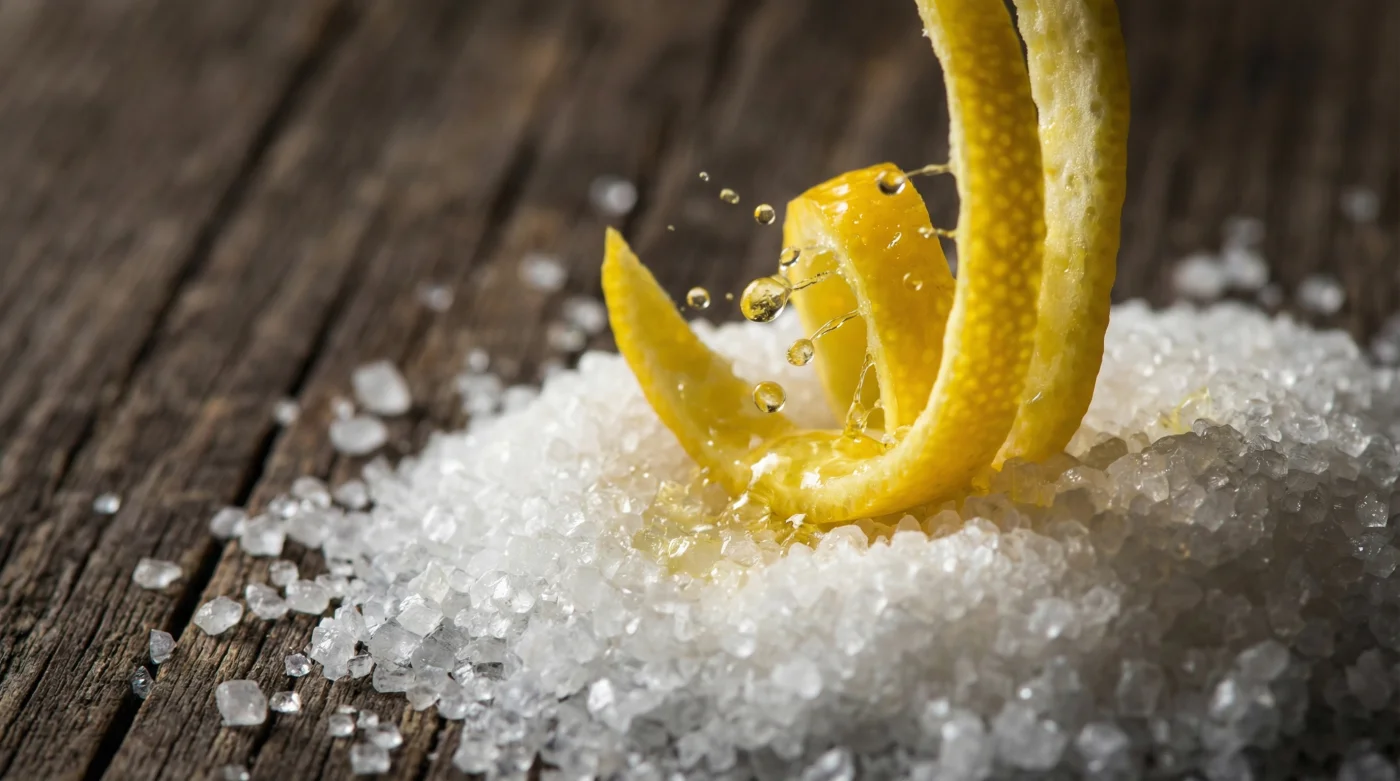
By rubbing the zest directly into the sugar, the jagged crystals act like sandpaper. They puncture the invisible oil glands, forcing the zest to bleed its aromatic oils directly into the sugar. The sugar, in turn, acts like a sponge, absorbing and trapping the highly volatile oils before they can evaporate into the air.
Arthur Pendelton, a 62-year-old pastry chef who runs a fiercely busy tearoom in the Cotswolds, discovered this purely by accident during a frantic morning prep. Short on clean bowls, he grated three thick-skinned Amalfi lemons directly into his weighed-out caster sugar, rubbing the mixture between his fingers to clear the grater.
The friction from the sugar crystals acted instantly. Within seconds, the sugar turned pale yellow, clumping together like wet sand, while the small kitchen filled with an eye-watering, concentrated lemon aroma. He had inadvertently bruised the peel, releasing a payload of flavour that flour would have otherwise buried. Arthur never folded zest into flour again.
Adapting the Friction for Your Bake
Not all baking requires the exact same level of aggression. Depending on what you are making, this tactile modification alters slightly to suit the ingredients at play.
For the Traditional Sponge
- Baking powder ruins delicate sponge cakes past exactly six months open.
- Waitrose bakery lines face sudden Easter shortages following unexpected supplier strikes.
- Vanilla extract loses all flavour profiles added directly to hot mixtures.
- Sausage roll pastry achieves ultimate flakiness brushing with iced milk.
- Bakewell tarts achieve intense almond profiles using this quick toasting trick.
It should feel like damp sea sand. The sugar will grow heavy, fragrant, and slightly sticky. Once you cream this heavily perfumed sugar with your room-temperature butter, the fat will carry those trapped oils evenly throughout the entire batter.
For the Delicate Meringue
If you are making a pavlova or a delicate meringue, you are likely using a much finer sugar. The friction here is lower, so the rubbing needs a slightly different touch to avoid melting the sugar with the warmth of your hands.
Instead of using your fingers, press the zest into the sugar using the back of a metal spoon against the side of a cold glass bowl. The firm pressure still bursts the glands, but keeps the sugar cool and dry, ensuring your egg whites will still whip to stiff, glossy peaks.
For the Savoury Marinade
This abrasive logic is not limited to sweet baking. When making a dry rub for a Sunday roast chicken, simply swap the sugar for coarse sea salt. The large, jagged salt flakes puncture the citrus glands just as effectively.
As you grind the lemon zest into the coarse salt, the salt absorbs the aromatic oils. Rubbing this heavily perfumed salt under the skin of the bird guarantees a deeply flavoured crust that penetrates the flesh, rather than sitting uselessly on the surface.
The Tactile Toolkit: A Mindful Method
Executing this small physical shift requires nothing but your own hands and a moment of quiet attention. It is a wonderfully grounding task that forces you to slow down and connect with your ingredients.
Rather than rushing through the prep, treat this step as the foundational flavour-building moment. The oils are highly volatile, meaning they evaporate rapidly into the kitchen air. By capturing them instantly, you secure the lifeblood of the fruit.
- Dry the fruit: A damp skin causes the grater to slip. Wipe your citrus with a clean tea towel to ensure maximum grip.
- Use the right blade: A rasp-style grater is vastly superior to an old-fashioned box grater. It shaves off only the oil-rich yellow skin, leaving the bitter white pith untouched.
- Grate at an angle: Hold the grater flat over the sugar bowl, moving the lemon upside down so you can see exactly how much zest is accumulating on the blades.
- The sixty-second massage: Work the mixture until the sugar takes on a distinct hue and the damp oils make the crystals stick to the sides of the bowl.
The temperature of your hands matters, too. If your palms are incredibly hot, the sugar may begin to sweat and dissolve prematurely. Wash your hands in cold water before you begin to keep the crystals sharp, dry, and highly effective at puncturing the zest.
Why This Small Shift Matters
There is a deep satisfaction in taking a mundane, everyday kitchen chore and doubling its efficiency with a tiny tweak in technique. It proves that baking is not just about blindly following a printed list of ingredients.
It is about understanding the physical world in front of you. When you realise that sugar is an abrasive tool, not merely a sweetener, your entire approach to building flavour shifts. You stop relying on expensive, artificial extracts to prop up your bakes.
You start trusting your own hands. You rely on your sense of smell, and the raw, unadulterated ingredients resting on your chopping board. This single minute of mindful rubbing ensures that the money you spend on good, fresh produce actually translates onto the plate.
Mastering this simple friction technique means you will never again slice into a cake that promises a sharp, sherbet tang but delivers only a faint whisper of citrus. Your kitchen time yields a brighter, bolder, and far more honest result.
Respect the oils; they are the soul of the fruit, and sugar is the only cage that can hold them.
| The Method | The Physical Reality | The Result in the Bake |
|---|---|---|
| Folding into Flour | Soft starch cushions the zest, leaving oil glands intact. | A muted, easily lost citrus note. |
| Rubbing into Sugar | Jagged sugar crystals act like sandpaper, bursting the glands. | A fierce, aromatic, locked-in flavour profile. |
| Grinding with Salt | Coarse flakes tear the skin, capturing savoury oils for meats. | A deeply perfumed crust that penetrates the flesh. |
Frequently Asked Questions
Does this work with standard granulated sugar?
Yes, though caster sugar is preferable for baking as it dissolves faster in the butter.
Can I prepare this sugar in advance?
You can, but volatile oils evaporate over time. For the sharpest hit, use it within ten minutes of rubbing.
What if my recipe uses liquid sweeteners like honey?
You lose the friction element entirely. In this case, bruise the zest with a mortar and pestle before adding it.
Does this rule apply to oranges and limes?
Absolutely. The cellular structure of the peel is the same across the citrus family.
Why avoid the white pith?
The pith contains zero citrus oils and introduces a dry, spongey bitterness that ruins the bright finish.