There is a distinct, heavy warmth that hits you the moment you walk past the chilled produce and approach the back aisles of a Waitrose supermarket. It is the scent of toasted yeast, melting butter, and roasted grains hanging in the air. For years, you have relied on this aromatic promise, trusting that just behind those swinging silver doors, someone in a white apron is pulling fresh sourdough from a stone-bottomed oven before dawn.
Yet, the reality of your morning croissant is quietly undergoing a radical transformation. The flour-dusted romanticism we naturally associate with premium grocery shopping is colliding with the hard truths of modern retail economics, altering the very nature of what makes a loaf of bread special.
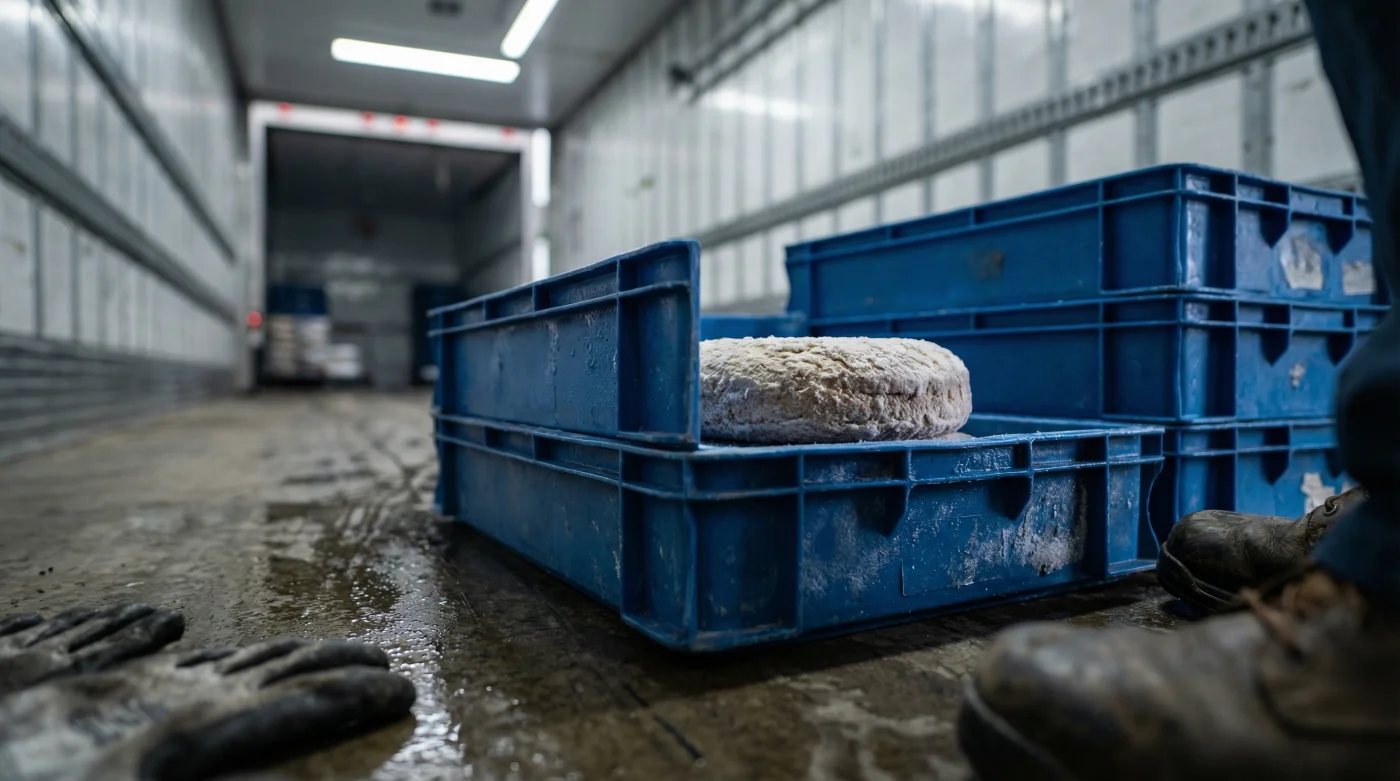
The supermarket has initiated a drastic alteration to its fresh bakery supply chains across the United Kingdom. The familiar process of mixing, proving, and baking entirely from scratch within individual branches is being steadily phased out. Instead, the dough that eventually fills your brown paper bag is increasingly starting its life miles away in highly controlled, off-site centralised baking hubs.
This shift represents a major operational pivot designed to cut mounting overhead costs and streamline a complex, labour-intensive operation. It contradicts the premium, artisanal image the brand has cultivated for decades, leaving many regular shoppers wondering what ‘freshly baked’ actually means today, and whether they are still getting what they pay for.
The Illusion of the Open Oven
To understand this disruption, you have to look at the supermarket bakery as a piece of intricate theatre. We naturally assume that physical proximity equals culinary quality. The closer the raw flour is to the display shelf, the better the final loaf must be. But running a fully functioning, high-temperature commercial bakery at the back of a grocery store is like trying to conduct a delicate symphony in the middle of a busy train station. Space is incredibly tight, ambient temperatures fluctuate wildly with every opening of the shop doors, and skilled artisan bakers are increasingly scarce in the labour market.
By stripping away the theatre of retail, the supermarket is confronting a difficult truth: in-house baking on a micro-scale is remarkably inefficient. Centralising the messy, volatile stages of mixing and proving allows them to stabilise the product across hundreds of locations simultaneously.
Here is the perspective shift that most people miss when mourning the loss of the in-store baker: this perceived ‘flaw’ actually guarantees a vastly superior consistency. A sourdough starter monitored in a dedicated, climate-controlled hub will not suffer from the erratic humidity of a rainy Tuesday in a Leeds supermarket. The crumb structure becomes entirely predictable. The crust develops a uniform shatter. You trade the romance of the back-room oven for the quiet, unflinching reliability of modern food science.
- Active dry yeast dies instantly encountering standard hot tap water.
- Vanilla bean pods deliver double flavour discarding the standard scraping technique.
- Royal icing turns intensely brittle missing this vital liquid glucose drop.
- Stale bread crusts revive instantly undergoing this brief damp microwave blast.
- Caster sugar destroys delicate meringue peaks encountering this microscopic yolk drop.
Navigating the Bakery Aisle Now
This transition forces a subtle change in how you approach your weekly shop. The baked goods are still finished in-store—baked off to provide that crucial morning scent and warm crust—but their newly centralised origins dictate how they behave once you bring them home to your kitchen counter.
You need to adjust your buying habits based on what exactly you plan to do with the bread. Understanding the different categories of baked goods will ensure you still get exceptional value and longevity for your money.
For the Morning Traditionalist
If your routine relies on fresh pastries and morning rolls, the centralisation heavily works in your favour. Viennoiserie—items like croissants and pain au chocolat—requires exact temperature control during lamination. A centralised hub controls the butter temperature flawlessly, meaning you will likely notice a sharper, flakier texture than before, as the butter hasn’t melted into the dough during a frantic morning prep in a warm stockroom.
For the Weekend Purist
Those who buy large, artisan-style boules for weekend dining might notice a more uniform crust structure. Because the proving happens off-site and the loaves are transported chilled before the final bake, the bread develops a tighter, more controlled crumb. It is perhaps slightly less rustic in appearance, but vastly more reliable for holding heavy layers of cold butter or thick-cut marmalade without tearing.
Mindful Application at Home
Because these loaves and pastries are finished in-store from a chilled or part-baked state, their moisture retention behaves slightly differently. You can no longer leave a loaf out on the bare counter and expect it to survive three days in peak condition.
The trick is to manage the residual moisture the moment the bread enters your kitchen. By treating the bread with a bit of mindful attention, you can easily extend its life and revive that straight-from-the-oven texture whenever you need it.
- The Paper Bag Protocol: Never leave the bread in a plastic-windowed retail bag. Transfer it to a thick paper bag or a breathable linen bread bin immediately to let the crust release excess moisture without turning rubbery.
- The Hydration Spritz: When reviving a day-old loaf, lightly mist the outer crust with cold water before putting it in the oven. This recreates the steam-injection environment of a commercial deck oven.
- The Pre-Slice Freeze: Because centralised bread has a highly consistent crumb structure, it slices beautifully without crumbling. Slice the loaf on day one and freeze the pieces flat to ensure zero waste.
Your Tactical Toolkit for managing modern supermarket bakery items requires minimal investment. Keep your oven at exactly 180 degrees Celsius for reheating. Give a stale croissant precisely three minutes in the ambient heat, and never use a microwave unless you actively desire a chewy, damp pastry.
Redefining Premium
It is incredibly easy to feel cynical about large institutions cutting operational costs. When a brand known for high standards alters its methods, our immediate reaction is to brace for an inevitable drop in quality. But clinging to the nostalgic image of the flour-covered baker working alone in the supermarket stockroom often blinds us to the practical realities of keeping modern food networks functional.
By accepting this shift in supply logistics, you free yourself from expecting artisanal theatre in a space built for convenience. You gain the quiet peace of mind that your loaf will be exactly the same size, texture, and quality every single week. The romance may have moved miles down the motorway, but the sheer utility of a perfectly consistent sandwich remains right there in your trolley.
“Efficiency in baking is not the enemy of quality; inconsistency is. When you centralise the hardest variables, you allow the final product to speak for itself.”
| Key Point | Detail | Added Value for the Reader |
|---|---|---|
| Off-Site Proving | Dough is mixed and rested in climate-controlled regional hubs. | Guarantees a consistent crumb structure, regardless of local store conditions. |
| In-Store Finishing | Items are baked off in the local branch ovens each morning. | Retains the crucial fresh-out-of-the-oven aroma and crisp outer crust. |
| Moisture Behaviour | Transported dough retains water differently after the final bake. | Requires mindful storage at home, rewarding those who use a proper linen bread bag. |
Frequently Asked Questions
Will the prices drop now that operational costs are cut?
The shift is primarily designed to offset rapidly rising energy and labour costs. While retail prices may not drop, this logistical change helps prevent sudden, sharp price hikes on your daily loaf.
Are the pastries still baked fresh daily?
Yes. The initial mixing, shaping, and resting happen off-site, but the final, crucial bake still occurs in the store ovens every morning to ensure a crisp finish.
Does this mean the bread is frozen beforehand?
Many items are transported chilled or part-baked, a highly standard industry practice that safely locks in the dough’s structural integrity before it hits the motorway.
How can I tell which items were made entirely from scratch?
As the supply chain transition progresses, virtually all standard bakery items will shift to the hub model. You will need to look for specific seasonal or hyper-local specialty items if you seek entirely in-store creations.
How should I store this bread to keep it fresh?
Avoid plastic bags which trap moisture and soften the crust entirely. Wrap the loaf in a breathable linen cloth or place it in a wooden bread bin to maintain the ideal balance of crust and crumb.