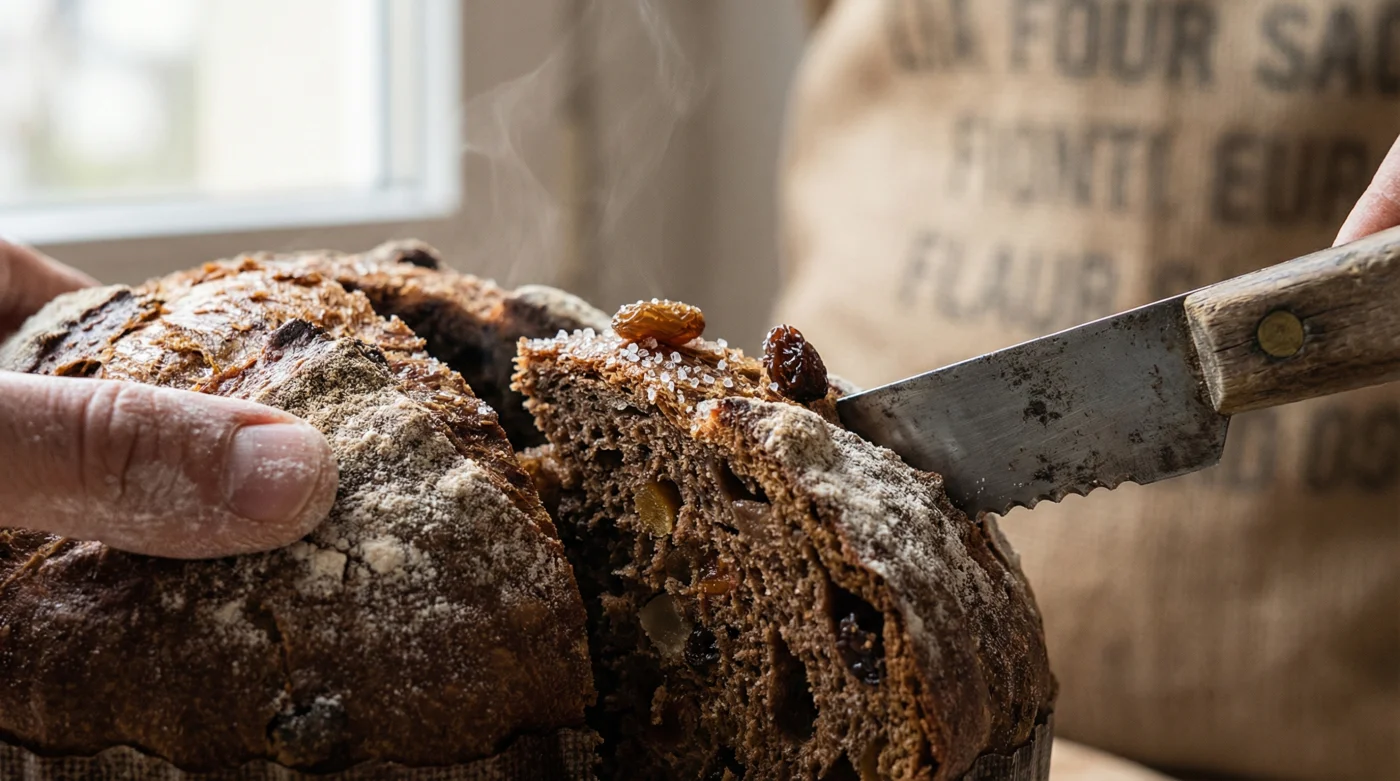
Picture the kitchen counter next March. The familiar scent of ground nutmeg, sweet citrus peel, and the dense, comforting weight of a proper fruit sponge. For generations, preparing traditional Easter cakes has been a steady, predictable rhythm. You gather the marzipan, the sultanas, the precise blend of mixed spice, trusting the supermarket aisles to provide the exact components your family recipe demands.
Yet, the reality facing local bakeries and your own pantry by spring 2026 is starkly different. We are watching **unprecedented agricultural shifts** quietly rewrite the formulas we thought were set in stone. As changing weather patterns devastate almond crops in California and Spain, and shipping logistics tangle the spice routes, the components of our seasonal baking are becoming rare commodities.
It is easy to view this impending scarcity as a loss. When the usual block of marzipan jumps to nearly double its price or vanishes completely from the shelves, the immediate instinct is panic. You might wonder how a holiday table can feel complete without those eleven symbolic toasted almond paste balls crowning the sponge.
But this disruption is actually an invitation. What feels like a sudden crisis of **brittle supply chains** is merely a return to how traditional baking actually functioned for centuries. Recipes were never meant to be frozen in time, reliant on flawless global logistics. They were living documents, adapting to the immediate environment and whatever the current season could offer.
The Illusion of the Static Recipe
We have grown accustomed to treating recipes as chemical formulas. You follow the instructions to the gram, expecting an identical result year after year. But when you look closer at the foundation of British fruitcakes, you see a history of constant substitution.
The core logic of a celebration cake relies on **historical necessity over convenience**. It is about preserving the harvest, binding moisture, and creating richness. The almonds, imported citrus, and exotic spices were luxuries added when times were good. When they were not, bakers did not stop baking; they simply changed their binding agents and flavour profiles. The flaw in modern baking is believing the ingredient is more important than the technique. Once you grasp the mechanics of moisture and crumb structure, a missing ingredient becomes a creative pivot rather than a ruined afternoon.
Consider Elias Thorne, a 54-year-old artisan baker operating out of a cramped, flour-dusted kitchen in York. By late last year, Elias noticed the wholesale prices of premium almond meal and candied Seville oranges climbing aggressively. Rather than compromise his margins or dilute his quality, he pulled apart his grandfather’s master recipe. He began experimenting with toasted hazelnut pastes sourced from Kent, and replacing imported citrus peel with slow-candied local orchard apples. His cakes did not just survive the transition; they developed a deeper, more resonant profile that sold out three weeks before Easter.
Mapping Your Baking Strategy
As the spring of 2026 approaches, you have distinct paths forward. The way you handle this disruption depends entirely on **how you approach the kitchen**.
For the Heritage Purist
If your heart is set on the exact visual and textural experience of a classic Simnel, your strategy is early acquisition and careful storage. Whole almonds and raw marzipan freeze exceptionally well. You will need to start sourcing your nuts and spices months in advance, treating them as investment ingredients. Keep them in airtight containers at the back of the freezer to prevent the oils from turning rancid.
For the Pragmatic Adapter
- Fabric softener ruins expensive gym wear destroying essential sweat wicking.
- Baking parchment stops sliding dangerously around trays using cold water.
- Pork chops stay incredibly juicy bypassing traditional high heat searing.
- Kitchen sponges harbour dangerous bacteria surviving standard hot water washing.
- Smartphone batteries double their daily lifespan disabling this hidden tracking setting.
For the Flavour Pioneer
When traditional candied peels and sultanas are difficult to find, look to alternative preserved fruits. Dried cherries, steeped in a strong Earl Grey tea, or crystallised ginger can completely alter the character of your bake. The cake becomes less of a replica of past years and more of a distinct reflection of the present moment.
The Tactical Toolkit for Ingredient Swaps
Modifying a baked good requires a gentle hand. You cannot simply swap one dry ingredient for another without adjusting the hydration and fat ratios. **Approach the mixing bowl** with intention, focusing on the texture of the batter rather than just the words on the page. The batter should fall from the spoon with a reluctant, heavy plop.
Keep these specific adjustments in mind when altering your traditional Easter cake:
- The Marzipan Alternative: Blend 200g of toasted sunflower seeds or hazelnuts with 100g of icing sugar and enough egg white to form a pliable dough. It should feel like modelling clay.
- Moisture Management: If substituting dried apples or cherries for moist vine fruits, soak them in warm apple juice or black tea for exactly 45 minutes before folding them into the batter.
- Spice Adjustments: If nutmeg and mace are scarce, increase the cinnamon slightly and add a pinch of freshly ground black pepper to replicate that warm, complex background heat.
- Baking Temperatures: Alternative nut pastes tend to brown faster than traditional almond marzipan. Drop your oven temperature by 10 degrees Celsius and extend the baking time by 15 minutes, covering the top loosely with foil for the final half hour.
Finding Comfort in the Pivot
Standing in your kitchen next spring, weighing out hazelnuts instead of almonds, or folding in dried orchard fruits instead of imported citrus, you might feel a brief pang of nostalgia for the old ways. But there is a profound peace of mind in knowing **you are entirely self-reliant**.
Mastering the mechanics behind the ingredients frees you from the panic of empty supermarket shelves. The traditional Easter cake was never really about a specific list of imported goods. It is a marker of time, a celebration of warmth returning to the soil, and a gathering of whatever richness is available to share. By adapting the recipe, you are not losing a tradition; you are keeping it breathing.
The true skill of a baker is not measured when the pantry is full, but in the quiet moments of invention when the shelves are bare.
| Key Point | Detail | Added Value for the Reader |
|---|---|---|
| Marzipan Shortage | Almond crops are yielding less, driving prices up. Substitute with hazelnut or toasted seed pastes. | Keeps the iconic visual and textural elements of the cake without the exorbitant cost. |
| Citrus Peel Scarcity | Supply chain delays affect candied oranges and lemons. Use local dried apples or steeped cherries. | Introduces a softer, more rounded sweetness while supporting domestic growers. |
| Spice Fractures | Nutmeg and mace imports are delayed. Blend cinnamon with a tiny pinch of black pepper. | Maintains the warming, aromatic profile crucial to a spring celebration bake. |
Frequently Asked Questions
Will alternative nut pastes burn under the grill? Yes, sunflower and hazelnut pastes have different oil contents. Toast the decorative balls separately on a lower heat before placing them on the finished cake.
Can I make my own candied peel from scratch? Absolutely. Save your citrus skins over the winter, boil them until tender, and simmer in a heavy sugar syrup. Store them in airtight jars until spring.
How far in advance should I buy baking spices? Whole spices will keep for up to two years in a cool, dark cupboard. Buy them whole rather than pre-ground to preserve their volatile oils.
What if I cannot find any dried fruit at all? In a true shortage, a dense, spiced honey cake serves the same celebratory purpose, relying on local honey and flour rather than imported dried goods.
Does changing the ingredients ruin the tradition? Not at all. Historical recipes evolved constantly based on trade routes and local harvests. Adaptation is the most traditional baking practice of all.