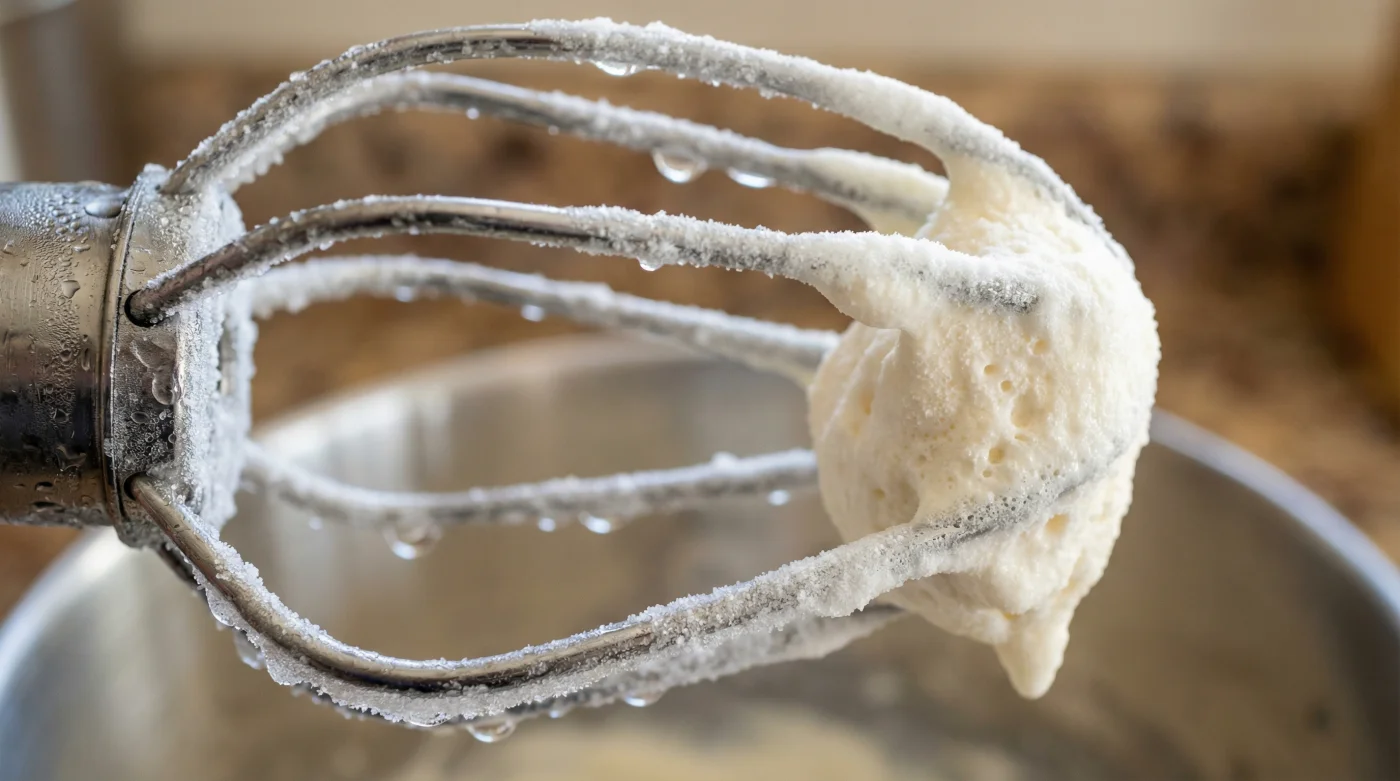
The Sunday roast plates have finally been cleared from the table, leaving behind the comforting, lingering scent of a baked apple crumble. You pull a carton of thick double cream from the fridge, pouring it into the metal bowl of your stand mixer, anticipating those perfect, billowing clouds to dollop onto your pudding.
For most home cooks, this marks the beginning of a noisy, anxious waiting game. You stand there for five, sometimes eight minutes, watching the pale pool slosh against the stainless steel, silently pleading with the liquid to thicken before you lose patience or, worse, over-whip it into grainy, split butter.
But in high-end patisseries from Marylebone to Edinburgh, whipping cream is never a prolonged chore. It is a sharp, deliberate action completed in a fraction of the usual time. The secret doesn’t lie in sourcing an impossibly rich, farm-fresh dairy product; it is found in the simple thermal reality of the tools holding it.
The Architecture of Fat and Frost
We often think of whipping cream as merely beating air into a liquid until it surrenders. In reality, you are building a fragile scaffold of trapped air, held together entirely by microscopic fat globules that require a highly specific environment to thrive.
When the wire whisk of your stand mixer beats violently against the metal bowl, it generates mechanical friction. At room temperature, this relentless friction creates subtle ambient heat, and heat is the absolute, uncompromising enemy of dairy fat. You are simultaneously trying to build a delicate, trembling structure while the mechanical warmth of your kitchen tools slowly tears it apart from the inside.
This is where a simple tactile modification changes everything. By placing your stainless steel or aluminium stand mixer bowl, along with the balloon whisk attachment, into a standard home freezer for just twenty minutes before you begin, you drastically reduce aeration time. The freezing metal acts as an impenetrable thermal shield. It actively cools the fat molecules as the whisk agitates them, ensuring the structure solidifies the very second the air is introduced.
Eleanor Vance, a 42-year-old development baker in Bath, discovered the sheer power of this method during a stifling July heatwave. Her Victoria sponge fillings kept collapsing into a weeping, unworkable mess on the worktop. In a moment of pure frustration, she shoved her aluminium bowl and whisk into the chest freezer alongside a bag of frozen peas. When she tried again twenty minutes later, the chilled tools locked the fat molecules into place instantly, and her cream whipped to perfect, trembling soft peaks in just sixty seconds.
Adapting the Chill for Every Bowl
Not all creams behave the exact same way under the whisk. Understanding how to adjust for your specific ingredients ensures you never inadvertently cross the fine line from luscious dessert topping to an accidental batch of morning butter.
For the purist working with high-quality British double cream, the sub-zero bowl means the cream will thicken remarkably fast. You must stay close to the machine. The transition from a loose liquid to stiff peaks happens in a literal blink of an eye when the thermal conditions are this highly optimised.
If you are a flavour alchemist adding mascarpone, vanilla bean paste, or icing sugar, the frozen bowl provides an unexpected structural benefit. The intense, radiating cold prevents heavy additives from sinking, allowing them to suspend evenly throughout the mixture the moment the cold whisk begins to turn through the liquid.
- Fabric softener ruins expensive gym wear destroying essential sweat wicking.
- Baking parchment stops sliding dangerously around trays using cold water.
- Pork chops stay incredibly juicy bypassing traditional high heat searing.
- Kitchen sponges harbour dangerous bacteria surviving standard hot water washing.
- Smartphone batteries double their daily lifespan disabling this hidden tracking setting.
The Tactical Toolkit
Applying this method requires almost no extra effort, just a slight adjustment to your timing. It is a quiet, mindful shift in your preparation routine that yields entirely disproportionate results in the final texture.
Always ensure your bowl and whisk are completely clean and bone dry before freezing. Even a microscopic film of residual washing-up liquid or a stray drop of tap water can form sharp ice crystals, which will mercilessly tear the delicate fat walls as you whip the cream.
When you are ready, work swiftly and decisively. Remove the tools from the freezing drawer, attach them securely to your machine, pour in the fridge-cold cream, and engage the machine’s motor immediately. Do not let the bowl sit on the warm worktop and sweat.
- The 20-Minute Rule: Place the dry metal bowl and balloon whisk in the freezer exactly twenty minutes before they are required.
- The Cold Start: Keep the carton of cream itself in the coldest part of the fridge until the very second you are ready to pour it.
- The Speed Gradation: Start on a medium-low speed to incorporate large air bubbles gently, then increase to medium-high once the cream begins to leave a visible, lingering trail.
- The Visual Stop: Turn off the mixer when the cream looks slightly softer than you actually want it; the residual, deep cold in the metal bowl will firm it up a fraction more as you fold it out with a spatula.
Quiet Confidence in the Kitchen
Mastering this small, seemingly mundane physical detail completely shifts how you approach your baking repertoire. It entirely strips away the lingering, common anxiety of waiting by the humming machine, wondering if the cream will ever hold its shape or if it will suddenly split.
You are no longer just blindly following a set of printed instructions; you are manipulating the physical environment entirely. By taking complete control over the temperature of your working tools, you fundamentally respect the highly delicate nature of the dairy fat you are working with.
The result is a texture that feels profoundly different on the palate—a rich, incredibly stable foam that trembles beautifully on the back of a spoon. It is a quiet, reliable victory, giving you back your precious time and granting you the absolute assurance that your final dish will be exactly as you envisioned.
The difference between a frantic, stressful kitchen and a calm, capable one is often just twenty minutes in the chest freezer. — Eleanor Vance
| Key Point | Detail | Added Value for the Reader |
|---|---|---|
| Standard Method | Room temperature bowl and whisk; relies purely on mechanical friction to build air. | High risk of splitting; requires constant, anxious monitoring for up to eight minutes. |
| Frozen Attachment Method | Metal tools chilled at -18°C for twenty minutes prior to the whipping process. | Drastically reduces aeration time to sixty seconds; locks the fragile fat structure instantly. |
| Ingredient Control | Adding icing sugar or vanilla bean paste directly to the freezing bowl at the very start. | Ensures the even suspension of heavy flavours without knocking out the carefully built air. |
Frequent Queries Addressed
Can I leave the attachments in the freezer permanently? Yes, storing a spare aluminium or stainless steel bowl in the freezer ensures you are always fully ready for impromptu baking without the twenty-minute wait.
Does this trick work with glass or ceramic bowls? Glass and ceramic simply do not conduct or hold extreme cold as efficiently as metal, meaning the critical thermal advantage is largely lost.
Why did my chilled cream still split into butter? Even with completely frozen tools, high-speed agitation will eventually break the fat. You must monitor the bowl closely, as the freezing metal drastically speeds up the overall thickening process.
Do I need to freeze the cream itself beforehand? No, placing dairy directly in the freezer alters its molecular structure and introduces damaging ice crystals. Keep the double cream in the coldest part of your fridge instead.
Will condensation ruin the delicate whipping process? If you leave the frozen bowl on the worktop too long before starting, water droplets will naturally form. Work swiftly to prevent this moisture from compromising your fat structure.