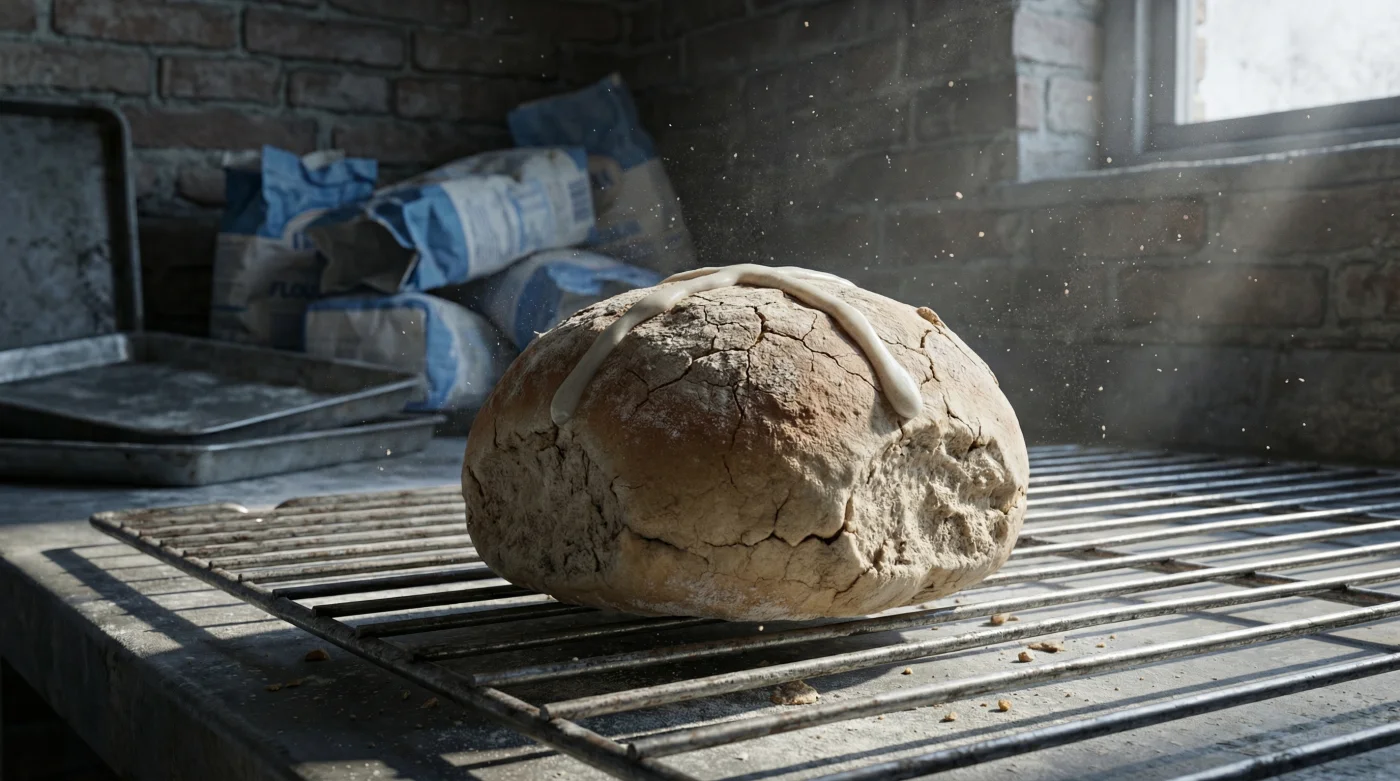
Think of the chill settling over a high street at six in the morning. The glow of the bakery window cuts through the grey, and as you push the door open, you anticipate the heavy, familiar scent of cinnamon, yeast, and candied peel. You buy your hot cross bun, take it home, and tear it in half. But immediately, something registers as different. The crumb is denser, the fruit scatter is erratic, and there is a lingering hint of sharp orchard apple rather than the usual plump Turkish sultanas.
We expect our seasonal markers to arrive with mechanical precision. From the exact melting point of a supermarket chocolate egg to the specific, sugary glaze of a spiced bun, consistency brings quiet comfort. Yet, severe global commodity strains on imported wheat, cocoa, and dried fruits have quietly snapped the fragile supply chains that keep these holiday recipes static.
The major British bakeries have spent the last three months furiously rewriting their formulas behind closed doors. At first glance, it feels like an unwanted disruption to the sacred rituals of a long bank holiday weekend. You might feel a sting of frustration when your favourite toasted treat refuses to crisp up under the grill in the familiar way, or when the texture crumbles under a cold slab of butter.
But the truth about our food systems is far less rigid than supermarket shelves suggest. What looks like a compromised recipe is actually a forced return to regional baking authenticity.
The Forgotten Elasticity of the Easter Bake
A recipe is not a fixed monument; it behaves more like a river, shaping itself around the stones in its path. When the commercial flow of cheap, identical ingredients dries up, bakers have to pivot. For decades, we have been sold a highly processed illusion of Easter—buns inflated with commercial yeast and synthetic dough conditioners to achieve an impossible, uniform softness.
Instead of viewing a slightly flatter biscuit or a less uniformly dotted cake as a flaw, consider it a textural evolution. The dough must adapt entirely to the hydration levels of the flour available, forcing the yeast to behave differently under the warmth of the baker’s hands.
Meet Arthur Pendelton, a 62-year-old master baker operating out of a cramped, flour-dusted kitchen in North Yorkshire. When his supplier rang in late January to cancel three tonnes of imported mixed peel and standard strong flour, Arthur didn’t panic. He simply pulled down his grandfather’s wartime ledger. He replaced the missing moisture with grated local Bramley apples and swapped to a harder, locally milled heritage wheat. ‘The bun doesn’t care about global logistics,’ Arthur notes, scraping a bench knife across his wooden counter. ‘It only cares about what you give it right now.’
This is the hidden advantage of the current shortage. The mass-produced, slightly synthetic sweetness is falling away, replaced by sharper, deeply local flavours that demand your full attention at the breakfast table.
Categorising the Substituted Seasons
Depending on where you buy your goods this spring, you will encounter distinct shifts in the crumb and crust of your weekend treats. The adjustments are not random; they are highly calculated reactions to specific raw material deficits.
For the steadfast traditionalist, the sudden absence of the usual soft, high-gluten pull might feel jarring. You will notice independent artisan shops leaning heavily into rye blends and spelt, creating a bun that requires actual chewing. It is a texture that holds its ground against a thick layer of salted butter, rather than dissolving instantly on the tongue.
For the busy parent buying in bulk from the major grocers, the changes are subtler but structurally significant. Supermarkets are masking their lower-protein flours by slightly increasing the fat contents. The crumb is shorter, almost cake-like, meaning it splinters easily when cut.
- Chicken carcasses produce dense savory broths utilizing this specific vinegar addition.
- Mashed potatoes achieve Michelin restaurant silkiness passing through this fine drum.
- Buttercream frosting repairs instantly melting a tiny portion into the bowl.
- Instant coffee granules transform cheap supermarket gravies mimicking expensive roasted meats.
- Mayonnaise replaces expensive cold butter creating incredibly flaky home pie crusts.
A Tactile Toolkit for the Adapted Crumb
Handling these newly formulated goods requires a slight adjustment to your morning routine. You cannot simply throw them under a high gas flame, walk away, and expect the usual golden-brown finish.
Treat the warming process like waking someone up slowly. A lower, persistent heat revives the starches without turning the altered crust to charcoal.
- Drop the toaster dial: Reduce your standard setting by at least two notches. Lower-protein flours and substituted sugars brown dramatically faster than you are used to.
- The steam-revive method: If the crumb feels unusually tight, rest the bun over a cup of freshly poured boiling water for twenty seconds before toasting. It opens the internal structure like breathing through a pillow.
- Aggressive buttering: The new heritage blends absorb fats unevenly. Apply the butter while the surface is blisteringly hot, allowing the dairy to penetrate the denser, tighter air pockets.
- Embrace the sharp pairings: Ditch the mild strawberry jams. The muted sweetness of this year’s bakes pairs violently well with sharp Seville marmalades or a slice of mature farmhouse cheddar.
These small, deliberate actions pull you out of autopilot. You are forced to look at what you are eating, noticing the scent, the heat, and the resistance of the crust.
You are no longer just consuming a hollow calorie; you are engaging the structure of the bread itself, working with its quirks rather than demanding impossible uniformity.
Beyond the Spiced Dough
Disruption at the bakery level is a stark reminder of how disconnected we have become from our food systems. We expect the earth to yield the exact same crop, in the exact same volume, to sit in the exact same plastic wrapper, every single April.
When the supply chain snaps, it briefly shatters the illusion of perpetual abundance. Yet, within that broken expectation lies a much richer, more honest experience.
By accepting the dense, apple-flecked, slightly lopsided bun sitting on your plate this year, you align yourself with a much older way of living. You taste the reality of the season, the stubborn resilience of the baker, and the quiet dignity of making do with what the land actually provides.
It turns a simple, repetitive morning routine into a moment of grounded reality, reminding you that the best traditions survive precisely by changing their shape to fit the times.
‘A recipe is a conversation with the ingredients you have today, not a strict order barked at the ingredients you wish you had.’ – Arthur Pendelton, Master Baker
| Key Point | Detail | Added Value for the Reader |
|---|---|---|
| Flour Subsitutions | Bakers are mixing lower-protein and heritage wheats due to import delays. | Delivers a denser, more filling texture that supports heavy buttering without collapsing. |
| Fruit Alternatives | Local orchard fruits (like Bramley apple) replace imported sultanas and peel. | Offers a sharper, less cloying sweetness that pairs beautifully with mature cheeses. |
| Toasting Adjustments | The new sugar/fat ratios mean the dough burns much faster under direct heat. | Saves you from ruining breakfast by teaching you the low-and-slow heat method. |
Frequently Asked Questions
Why do the hot cross buns from the supermarket taste less sweet this year?
Due to shortages in imported dried fruits and specific sugars, bakeries are relying on alternative hydration methods like grated local fruits, which offer a sharper, more muted sweetness profile.Why is my bun crumbling when I try to slice it?
Lower-protein flours are being used across the UK. This creates a ‘shorter’ crumb structure, making the bread behave slightly more like a cake or biscuit. Use a highly serrated knife with gentle, sawing motions rather than pressing down.Can I still freeze these altered baked goods?
Yes, but because the moisture content relies on different fats and fruits this year, they dry out faster in the freezer. Wrap them tightly in parchment, then foil, and consume within one month.Why are artisan bakeries charging the same for smaller goods?
Heritage wheats and local ingredients cost significantly more than bulk-imported commodities. The disruption forces bakers to absorb higher costs, often resulting in slightly adjusted portion sizes to keep the price steady.What is the best way to revive a stale heritage bun?
The steam method is highly effective. Hold the bun briefly over boiling water to reintroduce moisture into the tight crumb, then toast it on a very low setting to crisp the exterior without drying out the middle.