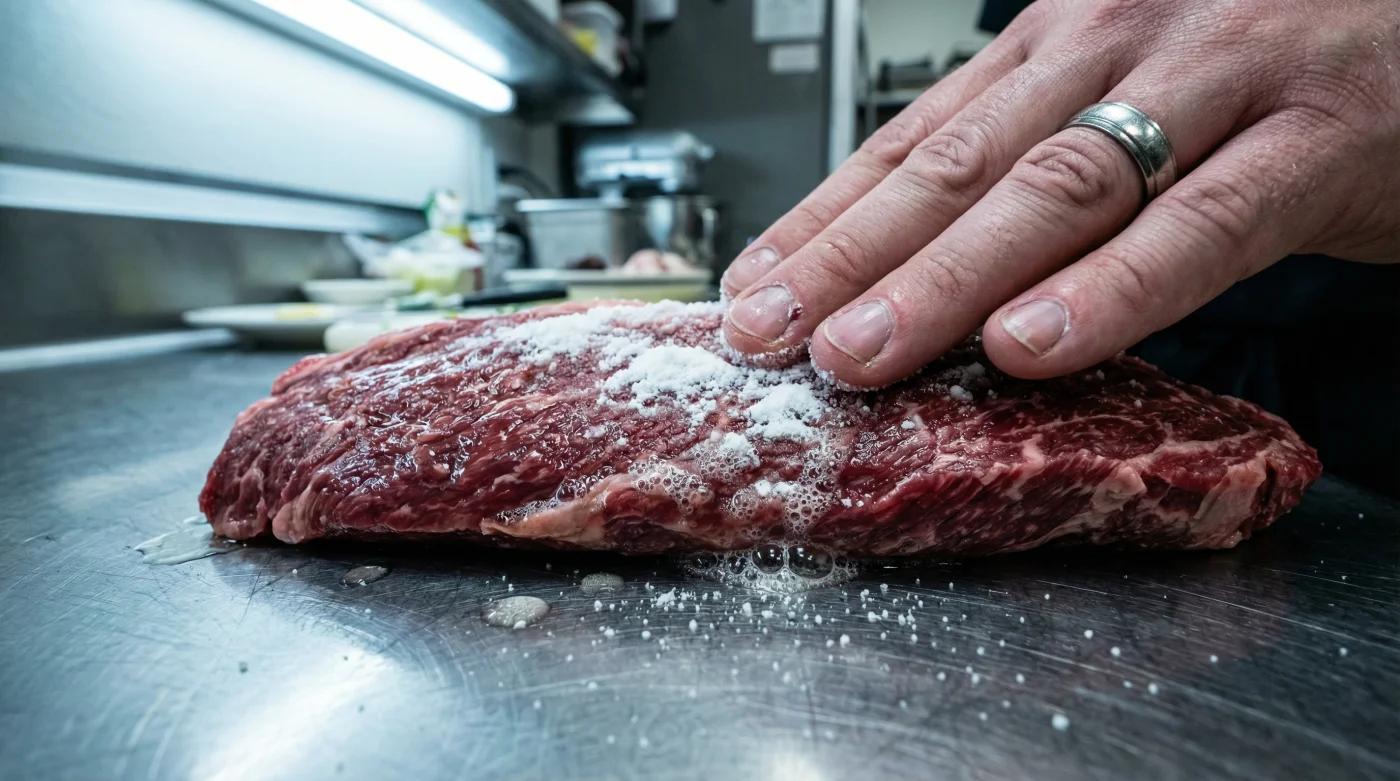
The sizzle of hot peanut oil hitting cold hammered carbon steel is one of the most promising sounds you can create in a home kitchen. You drop in thinly sliced strips of a budget-friendly flank or standard braising steak, watching the jagged edges immediately begin to caramelise into a rich, deep mahogany. The sharp, intoxicating scent of bruised garlic, freshly crushed ginger, and dark soy sauce instantly fills the room, promising a deeply comforting dinner that feels like a hard-earned reward after a relentlessly long, grey Tuesday.
Yet, the moment you finally sit down at the dining table, fork in hand, the illusion shatters completely. You take an eager first bite, and your jaw immediately begins the exhausting, rhythmic labour of chewing through aggressively rubbery, stubbornly resistant muscle fibres. The savoury flavour profile might be beautifully balanced, but the physical texture is a quiet tragedy. It is the culinary equivalent of walking through thick mud; a frustrating, tiring struggle that entirely ruins the simple enjoyment of the meal.
You have probably been told for years that solving this specific kitchen frustration requires extensive patience and forward planning. The prevailing domestic logic suggests that tough, inexpensive proteins must languish in harsh acidic baths of balsamic vinegar, red wine, or sharp citrus juice for twenty-four hours just to slowly break down. We are heavily conditioned to believe that genuine, melt-in-the-mouth tenderness is a rare luxury, reserved strictly for those who plan their week’s meals meticulously a day in advance, or those willing to casually spend forty quid on a premium butcher’s fillet.
But the hidden reality of a bustling, high-volume professional kitchen tells a vastly different, much more forgiving story. The closely guarded secret to meltingly soft, yield-on-the-fork beef does not involve an overnight soak taking up precious shelf space in the fridge. It takes exactly fifteen fleeting countertop minutes and a solitary, level spoonful of a fine white powder currently sitting quietly, entirely forgotten, at the very back of your baking cupboard.
The Science of the Diplomatic Shift
Traditional acidic marinades are, essentially, blunt instruments. When you submerge a cheap cut of meat in vinegar or lemon juice, the acid attacks the exterior of the protein aggressively, often turning the surface mushy and grey while the dense centre remains stubbornly tough. You are not actually tenderising the meat through and through; you are simply dissolving the outer layer while hoping for the best.
Enter baking soda—or bicarbonate of soda, as it is traditionally known on our shores. Instead of forcing its way violently into the complex protein structures, it acts like a diplomat, subtly and effectively changing the surrounding environment. By dramatically altering the pH level on the immediate surface of the meat, making it highly alkaline, it physically prevents the proteins from bonding tightly together and seizing up the moment they hit a brutally hot pan. The fibres are coaxed into yielding like a tired sigh, rather than curling into a tight, defensive fist.
It is a profound perspective shift that entirely changes how you approach the supermarket meat aisle and your own cooking habits. That seemingly flawed, deeply sinewy cut of cheap beef is no longer a miserable compromise for the end of the month. It is a blank, waiting canvas ready for a simple chemical adjustment. You are no longer trying to mask tough, cheap meat with heavy, overpowering sauces; you are fundamentally reprogramming its physical texture from the outside in.
Consider the daily reality of Liam, a thirty-four-year-old head chef managing the pass at a demanding, high-volume gastropub in the heart of Leeds. Facing relentlessly rising ingredient costs and incredibly tight operational margins, he simply could not afford to serve premium cuts in his popular weekday steak-frites special. Nor could he afford the massive fridge space required to safely marinate fifty raw portions of skirt steak overnight. A high-volume gastropub head chef needs immediate, reliable solutions that do not compromise the final plate.
His brilliant solution was a rapid technique borrowed directly from traditional Chinese takeaway kitchens, a method often referred to within the trade as ‘velveting’. By actively tossing the raw, thickly sliced meat in a remarkably light dusting of baking soda just fifteen minutes before the chaotic evening service began, he transformed a notoriously tough, budget staple into a luxurious dish that melted like warm butter. Customers routinely assumed he had quietly switched his suppliers to a high-end, artisanal butcher. He hadn’t. He simply understood the undeniable, transformative power of alkaline tenderisation.
Tailoring the Treatment to Your Table
For the Stir-Fry Fanatic
If you heavily rely on quick, blisteringly high-heat cooking after a long shift at work, this specific method is an absolute saving grace. Thinly sliced beef, lean chicken breast, or standard pork loin almost always dries out and aggressively toughens when exposed to the fierce, unforgiving heat of a domestic wok.
A targeted fifteen-minute baking soda treatment not only rapidly tenderises the harsh fibres but actively helps the meat retain its internal moisture during the intense cooking process. The final result is that distinctively soft, wonderfully bouncy texture you usually only ever experience when eating out at a premium restaurant. The meat glides across the palate, absorbing the sauce without losing its own structural integrity.
For the Slow Cooker Sceptic
- Brown sugar blocks soften instantly absorbing this unexpected raw bread slice.
- Cornflour additions transform cheap supermarket biscuits mimicking premium expensive bakery textures.
- Garlic cloves roast perfectly sweet skipping this traditional foil wrapping habit.
- Morrisons chicken batches trigger urgent nationwide removals over sudden bacterial fears.
- Papa Johns pizzas face dramatic menu shifts altering core sourdough crusts.
Treating significantly thicker cubes of meat requires a slightly adapted approach—a wet, loose slurry rather than a dry, direct rub. This subtle alkaline bath effectively breaks down the immediate exterior tension of the thick chunks, miraculously allowing a quick, forty-minute rapid simmer to taste exactly like it has been gently blipping away on the back hob all Sunday afternoon.
For the Weekend Barbecue Enthusiast
When the British weather miraculously holds and the charcoal is lit, cheap cuts of lamb or beef threaded onto metal skewers are a brilliant, cost-effective feeding solution for a crowd. However, the direct, searing heat of the coals can instantly turn lean meat dry and unpleasantly chewy.
By applying a light alkaline rub before threading your skewers, you create a protective, tenderising barrier. The meat remains beautifully succulent, allowing you to achieve that highly sought-after smoky, charred crust on the outside without sacrificing a single drop of moisture on the inside. It turns a cheap bag of diced shoulder into a genuinely premium barbecue experience.
The Fifteen-Minute Protocol
Executing this transformative technique successfully requires absolute mindful precision, not careless guesswork. It is a highly mindful, deeply deliberate process that fits seamlessly and efficiently into the exact time it takes to chop your fresh vegetables or boil the kettle for noodles.
If you accidentally leave the baking soda on for far too long, or fail to wash it away properly, the meat can unfortunately take on a distinctly metallic, slightly soapy taste. The rinse is absolutely critical to the entire success of this culinary operation. You must follow these exact parameters to guarantee a flawless, restaurant-quality result every single time:
- The Dry Rub (For thin slices): Toss 250g of sliced meat with exactly half a teaspoon of baking soda. Massage it gently but firmly with your fingertips until the powder is entirely invisible and the meat feels slightly slippery.
- The Wet Slurry (For thick cubes): Dissolve one level teaspoon of baking soda thoroughly in half a standard glass of cold tap water. Fully submerge 500g of diced meat in the cloudy liquid, ensuring every piece is covered.
- The Waiting Period: Leave the treated meat resting quietly on the countertop for exactly fifteen minutes. Do not put it in the cold fridge; the ambient room temperature actively accelerates the desired chemical reaction.
- The Crucial Rinse: Place the treated meat directly into a metal colander and rinse it vigorously under cold, fast-running water for at least thirty full seconds, tossing it with your hands.
- The Final Pat Down: Dry the rinsed meat thoroughly with thick sheets of kitchen paper. Wet meat aggressively steams in a pan; dry meat beautifully sears.
Reclaiming Your Evening
Mastering this seemingly minor, heavily overlooked detail does vastly more than simply improve the texture of a single weekday meal. It alters your entire relationship with the daunting supermarket meat shelves and your often chaotic evening schedule.
You no longer need to feel silently pressured to buy the most expensive, heavily marbled steaks just to ensure a reliably chewable, pleasant dinner for your family. You gain deep financial flexibility, perfectly safe in the reassuring knowledge that you can effortlessly force a budget, sinewy cut of meat to behave exactly like a premium, highly sought-after luxury.
Cooking at home should never feel like a panicked, stressful race against the clock, nor should it feel like a frustrating punishment for failing to plan your life out yesterday. By finally understanding exactly how a simple, inexpensive pinch of baking soda alters the physical, scientific reality of your food, you strip away the lingering stress of the kitchen. You find genuine peace in knowing that no matter what tough, inexpensive cut of meat you bring home tonight, a gloriously tender, deeply comforting meal is only fifteen rapid countertop minutes away.
“Tenderness isn’t about how much money you casually drop at the local butcher; it is entirely about understanding and controlling the chemical environment you actively create in the pan.”
| Key Point | Detail | Added Value for the Reader |
|---|---|---|
| The Dry Rub | 1/2 tsp baking soda per 250g of thin meat slices. | Perfect for rapid weeknight stir-fries without adding any excess, unwanted liquid to the hot wok. |
| The Wet Slurry | 1 tsp baking soda dissolved in water per 500g of diced meat. | Actively protects thicker cuts for hearty stews, effectively halving the required simmering time. |
| The Crucial Rinse | Rinse vigorously under cold running water for 30 seconds, then pat entirely dry. | Safely removes any lingering alkaline residue, guaranteeing your dinner tastes richly of beef, not soap. |
Frequently Asked Questions
Can I use standard baking powder instead of baking soda?
No. Baking powder contains additional acidic elements and cornflour which will absolutely not create the specific alkaline environment required for this technique to work properly.Will this method work on chicken and pork as well as beef?
Yes, it works wonderfully across all proteins. It is particularly effective on cheap pork loin and lean chicken breast, keeping them incredibly bouncy and moist during high-heat cooking.Do I still need to use salt and pepper if I use this method?
Yes. Baking soda alters the texture, not the flavour. Once you have rinsed and thoroughly dried the meat, you should season it with salt and pepper exactly as you normally would before cooking.What happens if I accidentally leave the meat resting for an hour?
The exterior of the meat will break down too far, resulting in an unpleasantly mushy texture, and the alkaline flavour will penetrate too deeply to be rinsed away. Stick strictly to the fifteen-minute rule.Can I marinate the meat in soy sauce or spices while the baking soda is on it?
It is best to apply the baking soda alone. Once the fifteen minutes are up and the meat is rinsed and dried, you can then toss it in your favourite flavours or sauces immediately before hitting the pan.