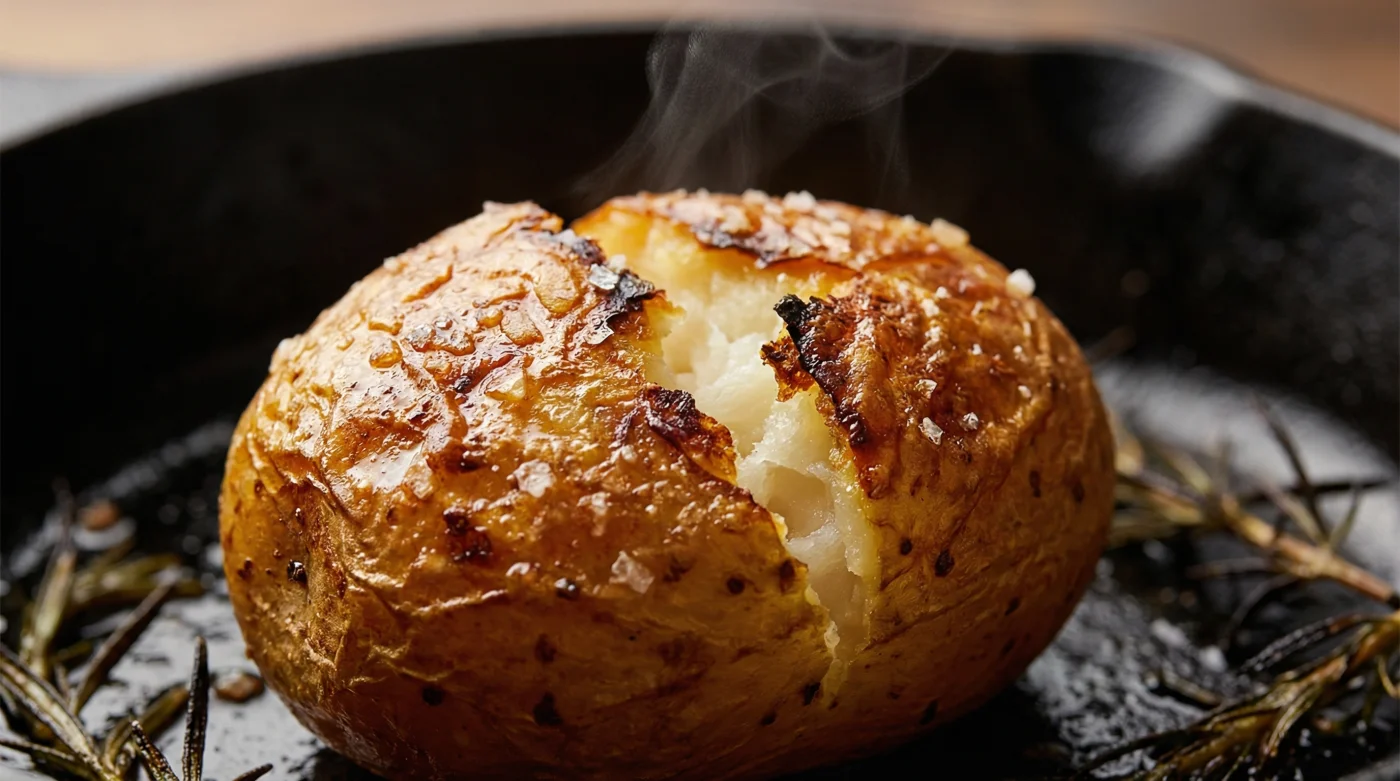
Picture a typical Sunday kitchen. The windows are steamed up with condensation, the scent of rosemary hanging heavy in the air. You pull the roasting tin from the oven, heart briefly in your mouth as blistering hot goose fat threatens to spit over the edges. It is a weekly ritual built on mild peril and tradition, where achieving the perfect roast potato feels more like an anxious lottery than a culinary guarantee.
Yet, what if the secret to that coveted golden crunch doesn’t require smoking-hot animal fat at all? What if the most reliable method has been sitting quietly in the fridge door, wedged between the mustard and the mango chutney, waiting to change your weekend routine forever?
The humble jar of Hellmann’s mayonnaise is about to challenge everything your grandmother taught you about the Sunday roast. It sounds entirely wrong, almost sacrilegious, to coat your parboiled Maris Pipers in a cold condiment before sending them into the heat. But behind this curious swap lies a simple, undeniable chemistry that creates an impenetrable crispy shell, rendering the messy, spitting trays of goose fat completely redundant.
The Perspective Shift: Rethinking the Emulsion
Think of traditional fat as a blunt instrument. Oil and hot fat slide off the potato, pooling at the bottom of the tin, requiring constant basting to maintain contact. Mayonnaise, however, is a true masterpiece of emulsification. It is oil and egg yolk bound together in a stable suspension. When you coat a parboiled potato in it, you are effectively painting it in an even, microscopic layer of fat and protein.
As the heat hits, the water evaporates, the oil fries the potato directly on its very surface, and the egg protein undergoes the Maillard reaction. This develops a deep, savoury crust that traditional methods genuinely struggle to match. It is the perfect professional pivot—a two-ingredient modification that strips away the variables and delivers restaurant-quality consistency every single time.
Enter Arthur Pendelton, a 54-year-old head chef at a bustling gastropub in West Yorkshire. Two Decembers ago, faced with a catastrophic supply shortage just hours before a fully booked Sunday service, Arthur panicked. Out of desperation, he tossed his fluffed-up King Edwards in a catering tub of Hellmann’s. The result? Plates returned to the kitchen completely empty. Today, Arthur refuses to buy hot fat, preferring the predictable, shatter-proof crunch that only an emulsion can provide.
Adapting the Crunch: Layers of Application
Not every Sunday roast looks the same, and neither should your approach to this technique. Because mayonnaise clings so perfectly to the potato, it acts as a brilliant canvas for your own personal kitchen adaptations.
For the Traditional Purist
Keep it astonishingly simple. Two tablespoons of Hellmann’s, a generous pinch of flaky Cornish sea salt, and a sprig of fresh thyme. Tossed vigorously, the mayonnaise practically disappears into the fluffed edges of the potato, leaving behind a matt finish that will transform into a beautifully glossy, golden armour in the oven.
For the Time-Pressed Host
Skip the nerve-wracking process of pre-heating oil entirely. You simply take your parboiled potatoes, toss them in the mayo mixture right in the colander, and tip them directly onto a cold baking tray. It shaves fifteen stressful minutes off your kitchen prep, allowing you to focus on getting the gravy right.
For the Plant-Based Pivot
If you are catering to a vegan crowd, a standard plant-based mayonnaise works almost identically. While it lacks the egg protein, the modified starches and emulsified rapeseed oil still builds a remarkably sturdy crust, offering a brilliant alternative to beef dripping or butter.
Mindful Application: Building the Perfect Shell
This is not about slathering your side dish in a thick, visible paste. The process requires a light touch and an understanding of how the potato receives the fat. Treat the mayonnaise as a delicate primer.
Prepare your station with intent. Let the steam billow away from the colander, ensuring the surface of the potato is entirely bone-dry before you apply the emulsion. Any residual water will fight the mayonnaise, preventing that flawless, golden crust from forming.
- The Boil: Cook your King Edwards or Maris Pipers in heavily salted water for exactly 8 minutes. They should be tender at the edges but firm in the centre.
- The Steam-Dry: Drain vigorously and let them sit in the colander for a full 5 minutes. Watch the steam dissipate; this drying phase is critical.
- The Rough-Up: Give the colander a few sharp shakes to bash the edges. This creates the fuzzy texture that the mayonnaise will grip onto.
- The Coat: Add 2 tablespoons of Hellmann’s mayonnaise per kilogram of potatoes. Toss gently until every surface is coated in a thin, barely-there film.
- The Roast: Bake at 200°C (180°C Fan) for 45-50 minutes, turning only once at the half-hour mark.
Trust the process as they bake. You will notice they do not sizzle violently like they do in a pool of hot fat. Instead, they quietly crisp up, the emulsion doing its silent, steady work.
The Bigger Picture: Reclaiming the Sunday Roast
Cooking for loved ones should never feel like a high-wire act. When we cling to traditional methods that demand hot, spitting fats and constant vigilance, we rob ourselves of the joy of the kitchen. We become literal prisoners to the oven door.
Embracing this simple, two-ingredient pivot does more than just produce a brilliantly crunchy potato. It fundamentally shifts the rhythm of your Sunday. It offers peace of mind. By trusting the science of an everyday emulsion, you eliminate the risk, the smoke, and the frantic basting. You are left with a quiet kitchen, perfect golden edges, and the time to actually sit down and enjoy a moment of calm before your guests arrive.
The beauty of the kitchen lies not in wrestling with tradition, but in understanding the science of simple ingredients to reclaim your time.
| Key Point | Detail | Added Value for the Reader |
|---|---|---|
| Safety & Comfort | Eliminates the need for pre-heating spitting pools of animal fat. | A calmer, burn-free kitchen environment. |
| Consistent Crisp | Egg protein and oil bind directly to the potato surface. | Guaranteed crunch without mid-roast basting. |
| Time Efficiency | Potatoes go straight onto a cold baking tray. | Saves 15 minutes of prep and reduces oven anxiety. |
Frequently Asked Questions
Will the potatoes taste like mayonnaise?
Not at all. The heat dissipates any vinegary tang, leaving behind only a rich, deeply savoury flavour.Do I need full-fat mayonnaise for this to work?
Yes. Light or reduced-fat versions contain too much water and will not form the necessary crispy shell.Can I prepare these in advance?
You can parboil and coat them a few hours ahead, but they are best roasted immediately for the ultimate crunch.What is the best potato variety to use?
Maris Pipers or King Edwards offer the best floury texture to grip the emulsion.Do I need to turn them multiple times?
Just once. The emulsion clings to the potato, meaning they do not need constant turning to stay coated in fat.