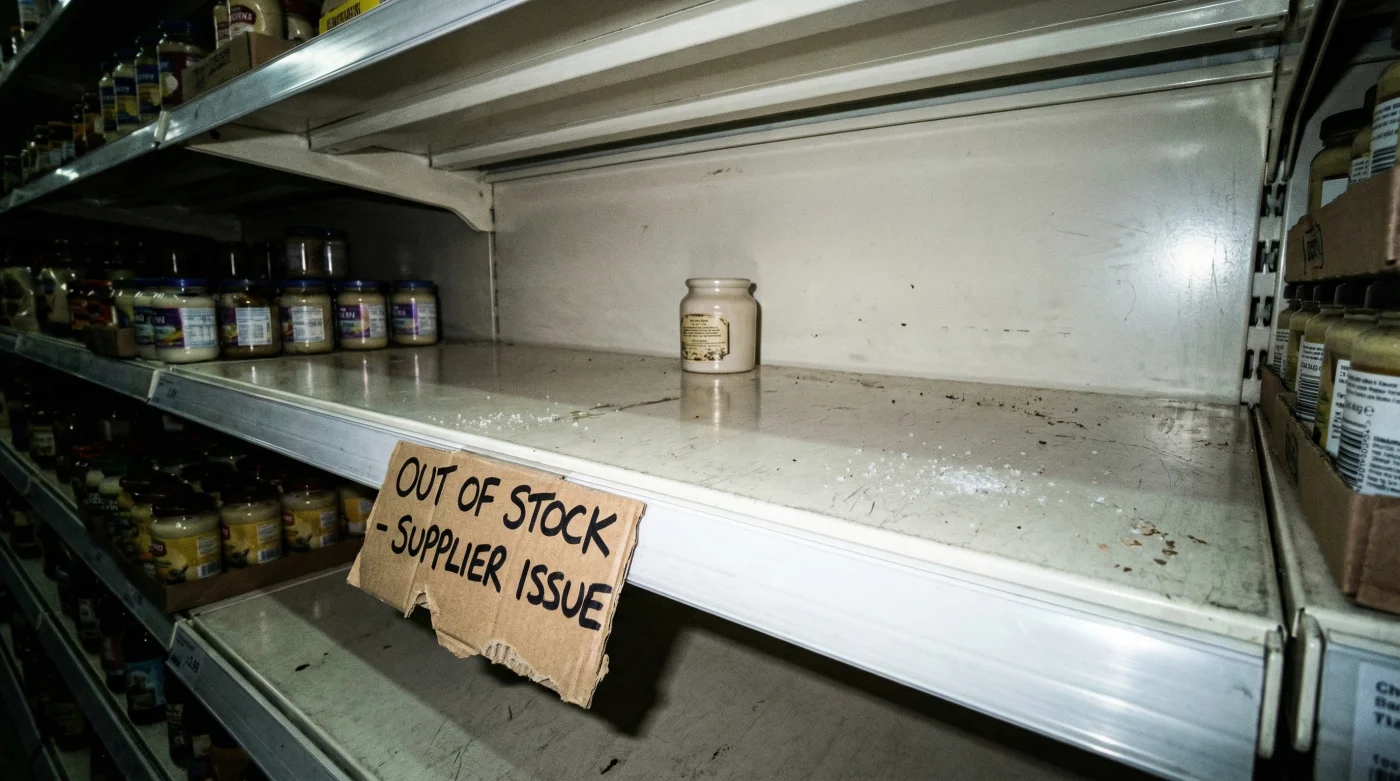
The morning light catches the toast rack, casting long shadows across the breakfast table. You reach for the butter, the heavy silver knife cold in your hand, preparing for a ritual that has remained unchanged for decades. There is a specific comfort in snapping the lid off that small, stout white container. The sharp, spiced scent of fermented fish, mace, and nutmeg rushes up to meet you—a scent that feels as permanently British as rain on a bank holiday.
Yet, your hand hovers over an empty space in the larder. You head to the local grocer, expecting a quick resupply, only to find the shelves sit entirely bare. The absence of gentlemans relish jars—the beloved spiced anchovy paste—feels like a sudden, quiet disruption to the morning order. It is a stark reminder that even the most nostalgic items are tethered to modern realities.
For generations, we have treated these heritage condiments as untouchable institutions. Born in the nineteenth century, this paste seemed immune to the frantic pace of global supply chains. It was a steadfast resident of the pantry, reliably waiting to punch up a Welsh rarebit or bring depth to a Sunday roast gravy. We assumed the little white pots simply willed themselves into existence from a factory in the Home Counties.
The truth is far more delicate. Severe Mediterranean fishing shortages have completely halted current production of the iconic spiced paste. The anchovy, a small pelagic fish highly sensitive to minute shifts in water temperature, has vanished from its usual schooling grounds. This is not a slight delay; it is a critical failure at the very source of the umami flavour profile.
The Perspective Shift: When the Ocean Leaves the Larder
It is tempting to view this shortage as a pure loss, a frustrating gap in your culinary repertoire. You might feel a sense of irritation when a recipe calls for that specific, intensely savoury hit and there is nothing to substitute it. We are so accustomed to the convenience of pre-potted flavour that we have forgotten the sheer mechanics of how that flavour is built.
Think of this absence not as a deprivation, but as a prompt to understand the underlying system. A jar of relish is, at its core, simply a compound of salt, cured fish, and warm spices, bound together by fat. When you realise that the magic lies in the method rather than the brand name, a mundane shortage transforms into a distinct advantage for your cooking.
Thomas Aris, 54, a traditional fish curer operating out of a small workshop in Cornwall, saw this coming long before the supermarket shelves emptied. Standing amid barrels of salted pilchards, the scent of brine and oak heavy in the air, he explained the fragility of our food systems. “People think a British recipe means British ingredients,” he noted, wiping his hands on a heavy canvas apron. “But that paste relies entirely on the Mediterranean basin. The water temperatures off the Iberian coast have spiked, the salinity has shifted, and the anchovies simply aren’t running. We are watching the ocean rewrite the rules of what we can preserve.”
This is the moment you step away from following the instructions on the back of a plastic lid and begin to command your own ingredients. You are no longer reliant on a fragile supply chain stretching hundreds of miles across warming seas. You are learning to build depth from scratch.
Adjustment Layers for the Empty Pantry
Not all cravings are created equal. How you adapt to the great anchovy failure depends entirely on how you intended to use the paste in the first place. By categorising your needs, you can deploy highly specific, effective replacements.
For the Savoury Purist, the goal is purely the fermented, oceanic depth. If you used the relish primarily to finish a lamb stew or to melt over a resting steak, you do not necessarily need the mace and cayenne. You need raw, concentrated umami. Look toward high-quality fish sauces or even finely milled dried shiitake mushrooms. These elements provide that same deep, lingering resonance on the palate without mimicking the fish texture.
For the Toast Traditionalist, the experience is about the sharp, spiced warmth contrasting against hot butter and charred sourdough. You require the textural grip of a paste. Here, you must pivot to creating a mock-relish using readily available local ingredients. Cornish pilchards or even smoked sprats, mashed fiercely with unsalted butter and a heavy grating of nutmeg, will provide a spectacular, albeit slightly smokier, alternative.
For the Modern Pragmatist, time is the crucial factor. You want the flavour without the pestle and mortar routine. A teaspoon of Marmite, loosened with a few drops of Worcestershire sauce and a pinch of ground white pepper, creates a remarkably similar sharp and salty profile. It lacks the maritime origin but delivers the precise biochemical hit of glutamates your brain is expecting.
Mindful Application: The Kitchen Fix
Replicating the essence of those missing gentlemans relish jars requires a mindful approach to blending. You are dealing with highly volatile flavours; too much spice and it becomes bitter, too little fat and it refuses to spread. The cream should tremble at the edge of the knife before melting into the hot bread.
Begin by assembling your tools and ingredients with intention. You will need a heavy mortar and pestle, room-temperature unsalted butter, and your chosen umami base. Work slowly, allowing the friction of the pestle to release the essential oils from the spices. This is not a task to rush.
- Ensure your butter is exactly room temperature (around 18 degrees Celsius). If it is too cold, the paste will split; if too warm, it becomes greasy.
- Measure your spices meticulously: equal parts mace, nutmeg, and a bare whisper of cayenne pepper.
- If using alternative tinned fish (like sprats or sardines), drain them completely. Excess oil will ruin the emulsion.
- Pound the fish and spices into a smooth paste before introducing the butter in small, cautious increments.
Your tactical toolkit for this operation includes a small glass jar for storage, sterilised to ensure longevity. Keep the finished compound in the coldest part of your fridge. As the butter sets, the flavours will tightly bind together, maturing over forty-eight hours into something truly exceptional.
The Bigger Picture: Beyond the White Plastic Lid
Mastering this substitution does more than save your weekend breakfast. It fundamentally shifts your relationship with the food you consume. When we take a jar for granted, we blind ourselves to the complex, fragile ecosystems that produce it. A shortage forces us to look closer, to respect the ingredients, and to adapt.
You are no longer a passive consumer waiting for a shipping container to arrive from Southern Europe. By understanding the mechanics of curing, spicing, and fat-binding, you insulate your kitchen against the unpredictable nature of modern commerce. You gain a quiet, resilient confidence in your own hands.
The next time you spread that homemade, deeply savoury paste across a slice of toast, it will taste distinctly richer. It is the taste of self-reliance, forged in the face of an empty shelf. You have taken a moment of frustration and turned it into an enduring culinary skill.
“True kitchen mastery is not found in rare ingredients, but in the ability to summon profound flavour from whatever the tide chooses to leave behind.”
| Key Point | Detail | Added Value for the Reader |
|---|---|---|
| The Supply Crisis | Mediterranean anchovy yields have collapsed due to water temperature shifts. | Explains the ‘why’ behind the empty shelves, moving past frustration to understanding. |
| The Flavour Architecture | Relish is simply a matrix of umami (cured fish), fat (butter), and heat (spices). | Demystifies a commercial product, allowing you to replicate it confidently at home. |
| The Practical Fix | Using local alternatives like pilchards or even yeast extracts bound with spiced butter. | Provides immediate, actionable solutions to rescue recipes relying on the missing paste. |
Frequently Asked Questions
Is the shortage of gentlemans relish jars permanent?
While not officially discontinued, the severe shortage of Mediterranean anchovies means production is halted indefinitely until fish stocks stabilise and return to normal schooling patterns.Can I use standard anchovy fillets from a tin instead?
Yes, provided you drain the oil entirely, rinse them of excess salt, and pound them thoroughly with unsalted butter, mace, and nutmeg to replicate the specific spiced profile.How long will a homemade spiced fish paste last?
If kept in a sterilised, airtight container in the coldest part of your fridge, a butter-based fish paste will remain excellent for up to two weeks. Ensure the surface is covered to prevent oxidation.What is the best vegetarian substitute for the relish?
A blend of yeast extract (such as Marmite), mushroom powder, and a dash of ground mace provides the necessary savoury depth and spiced warmth without any animal products.Why is mace so critical to the traditional flavour?
Mace, the lacy coating of the nutmeg seed, carries a sharp, slightly piney warmth that cuts through the intense salt and fat, balancing the heavy fish notes beautifully.