The glowing neon of the high street bakery is a reliable beacon on a damp Tuesday morning. You push the heavy glass door open, immediately greeted by that familiar rush of warm air, smelling of rich butter, baking pastry dough, and the faint metallic hum of the heated display cabinets. You casually scan the brightly lit racks, expecting to find the usual comforting symmetry of sausage rolls, steak bakes, and cheese pasties lined up like soldiers on parade. It is a scene repeated across thousands of towns, a cornerstone of the modern British morning routine.
Yet, a seemingly harmless addition to this familiar menu is currently quietly tearing through the wholesale meat markets of Britain. You might just see a brand new pastry option advertised on a glossy window poster, but behind the loading bays, the reality is far more frantic. A massive corporate launch has triggered an unprecedented squeeze on national poultry supplies, disrupting local businesses from London to Aberdeen.
We operate under a deeply ingrained, collective assumption that fast food is an infinite resource. If a giant bakery chain wants to introduce a chicken roll to its nearly three thousand UK stores, we assume they simply summon the meat from the ether, snapping their fingers to conjure endless pallets of processed protein. We rarely pause to consider the brutal, physical arithmetic of agricultural scale.
The sheer volume of raw ingredient required to launch a nationwide hot food item does not materialise out of thin air. Instead, it violently reroutes existing supplies, draining local wholesale stocks at a pace that has caught regional butchers, independent cafes, and family-run grocers completely off guard.
The Fragile Arithmetic of the Reservoir
Think of the national poultry supply chain not as a bottomless ocean, but as a meticulously calibrated, deeply interconnected reservoir. Every restaurant, pub chain, and local supermarket draws a specific, predictable measure of water from it each week. When a high street titan simultaneously opens a massive new floodgate to supply a heavily marketed, aggressively priced chicken roll, the water pressure drops dramatically and immediately for everyone else.
Your expectation of endless supply is an elaborate illusion maintained by frantic, behind-the-scenes logistical plate-spinning. The sudden, voracious appetite of a single corporate rollout has exposed the vulnerability of cheap commodities, leaving independent buyers scrambling to fill the void as major suppliers honour their most lucrative contracts first.
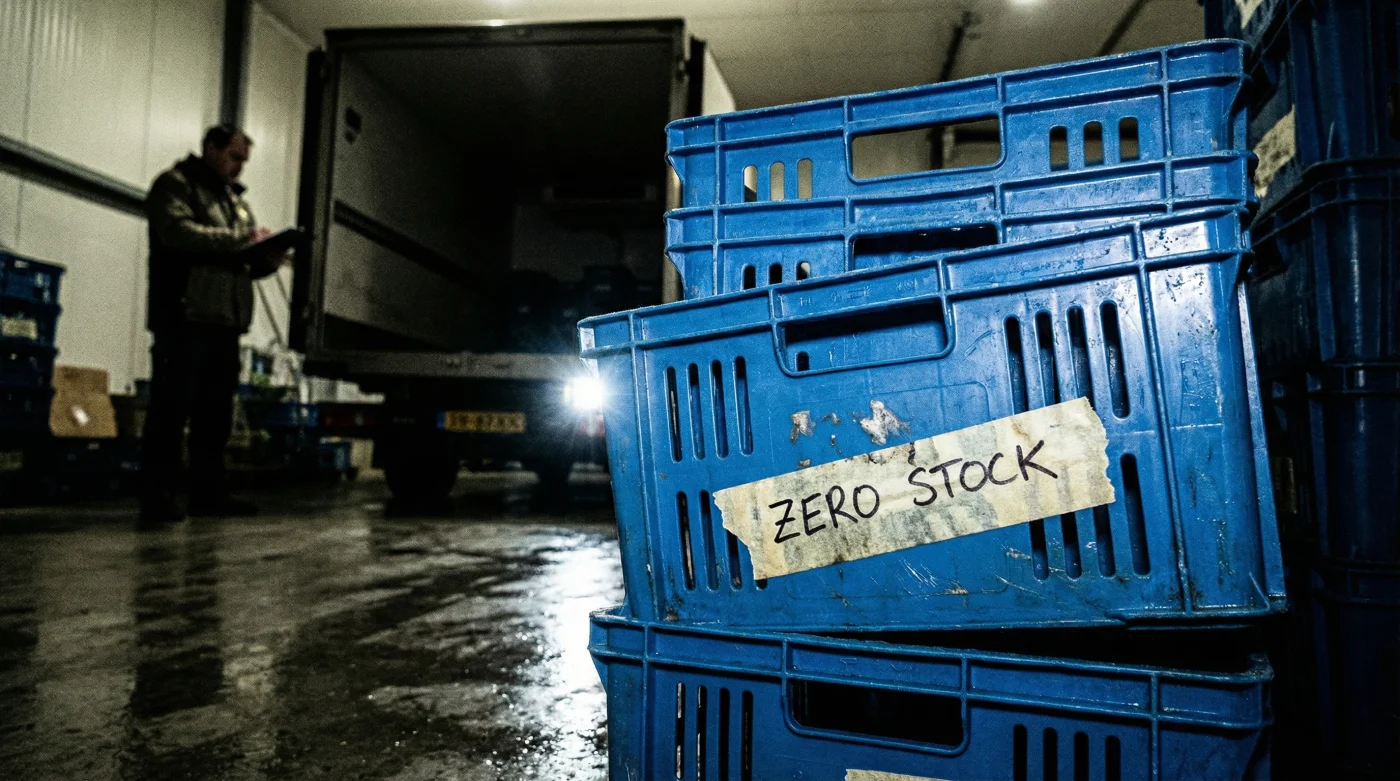
Arthur Pendelton, 54, a second-generation wholesale meat supplier based in a sprawling industrial estate just outside Leeds, felt the sudden drop in pressure weeks before the consumer marketing campaign even launched. Standing in his refrigerated warehouse, his breath pluming in the harsh, cold artificial light, Arthur explains how his regular pallet orders of diced thigh and breast meat were abruptly slashed by forty percent overnight. The massive commercial producers had rapidly pivoted their entire focus to fulfill the colossal contracts demanded by the high street bakery’s new product lines. A single menu change at the corporate level left family-run butchers and local cafes bidding fiercely over the remaining, increasingly expensive scraps.
Adjustment Layers: Navigating the Market Shift
You will inevitably feel the ripple effect of this shortage differently depending on how you shop, cook, and plan your weekly meals. The sudden scarcity is already pushing wholesale prices upward, altering the landscape of what lands in the refrigerated aisles of your local grocer and changing the specials board at your local pub.
For the Frugal Weekly Planner: If you heavily rely on large, budget-friendly packs of chicken breasts to batch-cook your weekday lunches, you might soon notice thinner supermarket shelves and noticeably higher price tags per kilo. The professional pivot here is to look beyond the prime cuts. This is the moment to embrace whole birds, breaking them down yourself to secure better value, stretch your weekly food budget, and utilise the leftover bones for deeply flavourful stocks.
For the Discerning Home Cook: Those who specifically seek out free-range or organic meat might falsely assume they are entirely insulated from fast-food supply chain shocks. However, as standard commercial cuts disappear from the market, desperate buyers inevitably trade up, causing a knock-on scarcity across the premium tiers. You will need to build much stronger relationships with independent farmers or secure your weekend orders significantly earlier in the week.
Tactical Provisioning in a Squeezed Market
When the broader supply chain stutters and stumbles, your shopping habits need to become significantly more deliberate. Securing your household groceries is no longer just about idly wandering the aisles with a trolley; it requires a quiet, methodical, and informed approach to sourcing your proteins.
Instead of arriving at the supermarket with a rigid, inflexible list, you must adapt to the available resources, treating your home kitchen like a responsive professional environment rather than a static, unyielding production line.
Here is your tactical toolkit for riding out the poultry pinch without sacrificing your meal quality:
- Audit the dark meat: Chicken thighs and drumsticks are frequently less affected by bulk corporate buys, which tend to favour white breast meat. They offer significantly richer fat content and remain wonderfully forgiving under high roasting heat.
- Befriend the local butcher: Visit your local independent meat counter before 9 AM on a Thursday. This is typically when the fresh weekend stock arrives, giving you the very first selection before the busy local pub trade sweeps the displays clean.
- Embrace the chest freezer: If you find a fairly priced, good quality whole bird, buy two. Learn to break them down efficiently, portion the meat into airtight bags, and freeze them flat to save valuable space for the weeks ahead.
- Explore alternative proteins: Lean cuts of British pork, sustainably sourced white fish, or even high-quality plant-based proteins can easily substitute for poultry in heavily spiced curries, traybakes, and vibrant vegetable stir-fries.
Beyond the Pastry Counter
We rarely pause in our busy days to consider the immense, invisible physical weight of our modern convenience culture. A quick, warm lunch grabbed on a rainy afternoon feels entirely disconnected from the vast agricultural machinery required to produce, transport, and bake it. Yet, the current pinch on wholesale butchers proves just how tightly woven and fragile our food systems truly are.
When you finally understand the inherent fragility of these supply lines, your perspective on everyday ingredients dramatically shifts. You begin to see a simple chicken breast not as an inalienable, guaranteed right, but as the final product of a deeply complex, surprisingly delicate network. Cooking at home from scratch becomes not just a chore, but an act of quiet, empowering rebellion against the homogenisation of our food supply.
“When the corporate giants change their menu, the local high street inevitably feels the tremor; adapting your buying habits isn’t just about saving a few Pounds Sterling, it is about protecting the resilience of your own table.”
| Key Point | Detail | Added Value for the Reader |
|---|---|---|
| Supply Depletion | Massive corporate rollouts absorb millions of kilos of standard cuts, draining local reserves. | Helps you understand exactly why your usual supermarket shelf is suddenly empty. |
| Price Fluctuations | Wholesale scarcity consistently drives up retail prices for standard poultry by up to 15%. | Gives you the crucial foresight to switch to cheaper, alternative cuts immediately. |
| Local Sourcing | Independent butchers offer alternative proteins that are not locked into mega-contracts. | Empowers you to support local businesses while securing significantly better quality meals. |
Frequently Asked Questions
Why has a single bakery item caused such a widespread national shortage?
The sheer scale of a national launch requires securing thousands of tonnes of meat months in advance, completely stripping the open market of its vital buffer stock.Will the retail prices of my regular groceries stay this high forever?
Supply chains usually manage to stabilise within a few months as agricultural producers gradually scale up their operations to meet the new baseline demand.What is the absolute most cost-effective alternative to chicken right now?
Pork shoulder and high-quality turkey mince are currently bypassing the worst of the inflation, offering excellent nutritional value per portion.Should I start bulk-buying when I see stock available in the shops?
Only buy what you can reasonably freeze and consume within three months. Unnecessary panic-buying only serves to deepen the local shortage for everyone else.How can I guarantee a reliable supply for my family meals?
Establish a standing weekly order with an independent butcher; they actively prioritise their loyal, regular customers over random walk-ins when stock is running perilously low.