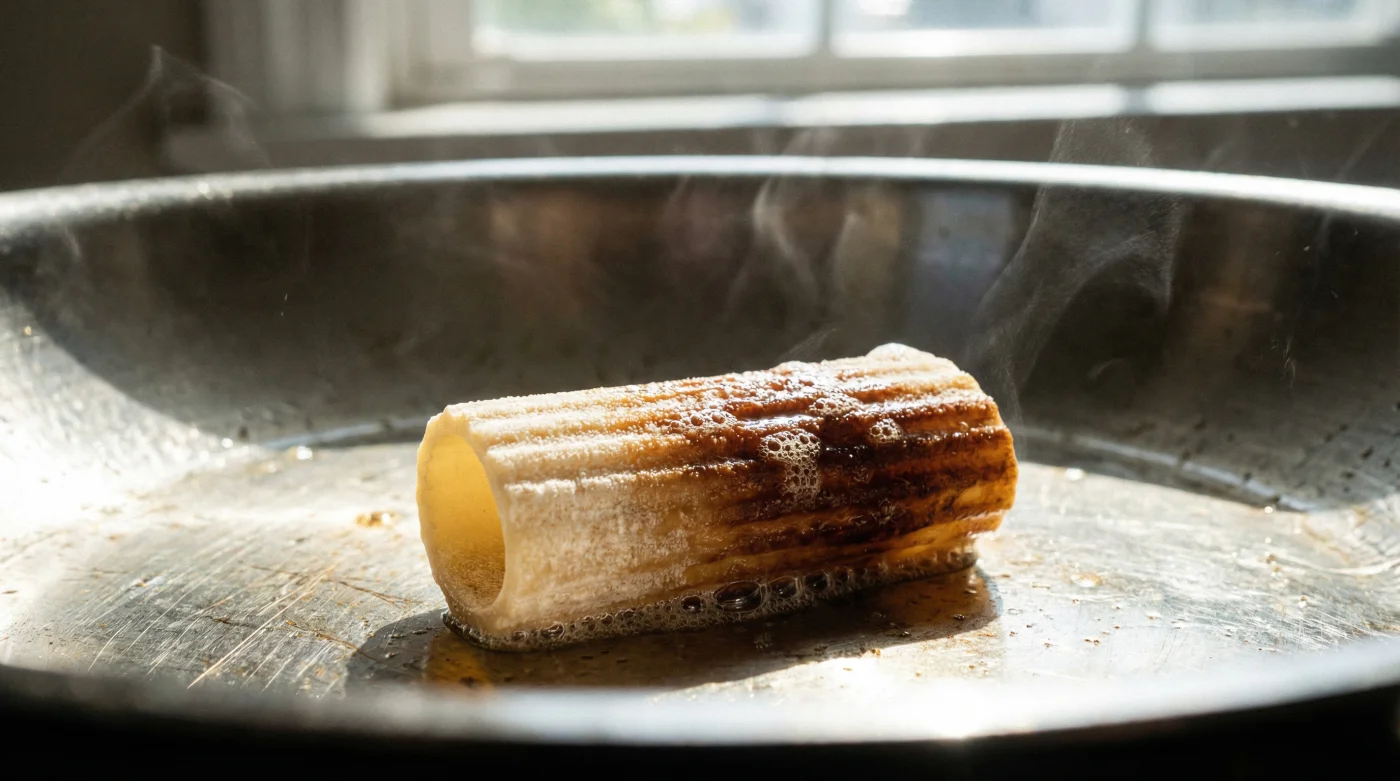
You know the sound. The sharp tear of the cellophane packet, the hollow clatter of dried penne hitting a cavernous pan of salted water. Then, the wait. The steam fogs your kitchen windows, smelling faintly of nothing at all. You accept this as the immutable law of supper: dried carbohydrates must be boiled until submissive. But as you stand there, watching the starchy bubbles rise, you are missing an opportunity to change the very character of your meal.
The Alchemy of the Dry Pan
It feels wrong, almost sacrilegious, to keep water far away from raw pasta. For generations, British home cooks have been taught that the journey of spaghetti begins and ends in a rolling boil. Yet, treating dried pasta merely as a sponge for water strips it of its potential. Think of raw pasta like a raw coffee bean or an untoasted spice. When you introduce it to dry heat, you are not cooking it; you are waking the sleeping grain.
The heat creates a dialogue with the wheat, coaxing out oils and sugars that have lain dormant since the dough was extruded in the factory. It is a fundamental shift in perspective. You are stepping away from the belief that flavour only comes from the sauce, realising instead that the foundation itself can carry notes of warmth and complexity.
I first witnessed this quiet rebellion in a cramped, subterranean kitchen in Marylebone. A head chef, weary after a brutal service, was making his own supper. Instead of reaching for the colossal pasta boiler, he grabbed a shallow frying pan. He threw a handful of dried rigatoni straight onto the bare, hot metal. Next came a generous knob of butter. Within two minutes, the kitchen smelled not of boiled flour, but of warm biscuits, toasted almonds, and browned butter. He was coaxing a luxury out of a fifty-pence staple, using heat to build a bridge between humble flour and gourmet dining.
| The Home Cook | The Sensorial Benefit |
|---|---|
| The Time-Poor Parent | Transforms a plain buttered pasta dish into a rich, complex meal without extra ingredients. |
| The Budget Epicurean | Elevates a 90p bag of supermarket fusilli to restaurant-quality depth. |
| The Texture Purist | Creates a slightly firmer, more resilient bite that holds sauce beautifully. |
To understand why this works, you have to look past the physical shape of the pasta and consider its chemistry. When heat touches dry flour, a transformation occurs that boiling water simply cannot replicate.
| Technical Stage | Mechanical Logic | Aromatic Result |
|---|---|---|
| 0-1 Minutes (Dry Heat) | Surface moisture evaporates entirely, pre-heating the starches. | Neutral, faint wheat scent. |
| 1-2 Minutes (Fat Introduction) | Maillard reaction begins as proteins and sugars meet hot butter or oil. | Warm biscuit, subtle caramelisation. |
| 2-3 Minutes (The Toast) | Starches undergo dextrinisation, breaking down into sweeter compounds. | Deep roasted nuttiness, browned butter. |
A Three-Minute Metamorphosis
You begin with a wide, heavy-bottomed frying pan. Cast iron or stainless steel works best, as you need a surface that holds heat steadily. Place it over a medium flame and let the metal warm through. Do not rush this stage. Toss in your dried pasta. Penne, rigatoni, or even broken spaghetti will do beautifully.
Let it sit on the dry heat for about sixty seconds, just moving it occasionally with a wooden spoon so it does not scorch. You will notice the pale yellow surface taking on a slightly chalky, opaque appearance. Now, introduce your fat. A generous knob of butter or a splash of good olive oil changes the environment instantly. The fat coats the pasta, amplifying the heat transfer.
- Bisto gravy granules face severe consumer backlash following unannounced recipe alterations.
- Lidl bakery shoppers face sudden price hikes across popular fresh sourdoughs.
- Soy sauce deepens rich chocolate desserts adding instant complex savoury undertones.
- Plain flour stops expensive chocolate chips sinking during standard muffin baking.
- Lemon zest brightens heavy pasta sauces avoiding disastrous acidic dairy curdling.
This could be hot chicken stock or simply boiling salted water from the kettle. Stand back, as it will sputter and steam aggressively. Lower the heat, cover, and let the pasta finish cooking by absorption, much like a traditional risotto. You stir it occasionally, letting the starch release directly into the small amount of liquid, creating a natural, glossy emulsion.
| Quality Checklist | What to Look For | What to Avoid |
|---|---|---|
| Visual Cues | A gentle, mottled golden-brown tint on the edges and ridges. | Dark brown or blackened spots (burnt starch is overwhelmingly bitter). |
| Aromatic Cues | Smells of popcorn, toasted almonds, or baking biscuits. | Acrid, smoky smells indicating the heat is too fierce. |
| Textural Cues | Pasta feels warm and slick, slightly chalky before the liquid is added. | Pasta shattering, cracking, or blistering aggressively in the pan. |
Elevating the Everyday
This simple shift in method does more than just alter a recipe; it reframes how you interact with your pantry. When you toast your pasta, you step away from the passive act of boiling. You become an active participant in building flavour from the ground up. It brings a mindful rhythm to your mid-week supper, turning a rushed chore into a sensory ritual.
The resulting dish, rich with nutty undertones and a resilient bite, stands as proof that culinary magic often lies in how we treat the humblest ingredients. It reminds you that the kitchen is a place of endless reinvention, where a simple shift in technique can turn an everyday routine into a moment of genuine discovery.
“True cooking is not about sourcing expensive ingredients, but possessing the willingness to coax the hidden soul out of the everyday staple.”
Frequently Asked Questions
Does this technique work with all pasta shapes? Yes, though thicker, robust shapes like rigatoni or fusilli are easier to manage in the pan than delicate angel hair, which can scorch rapidly.
Do I still need to salt the cooking liquid? Absolutely. The toasting builds aromatic flavour, but a generous pinch of sea salt remains essential for seasoning the starch as it hydrates.
Can I use olive oil instead of butter? You can. Olive oil provides a fruity, peppery depth, though butter offers a richer, more traditional hazelnut aroma as it browns.
How much liquid do I add after toasting? Add just enough boiling water or hot stock to cover the pasta, adding more gradually if the pan runs dry before the pasta is tender.
Will this change the overall cooking time? Yes, the absorption method usually takes a few minutes longer than a rolling boil, but the superior texture and integrated sauce make it worthwhile.