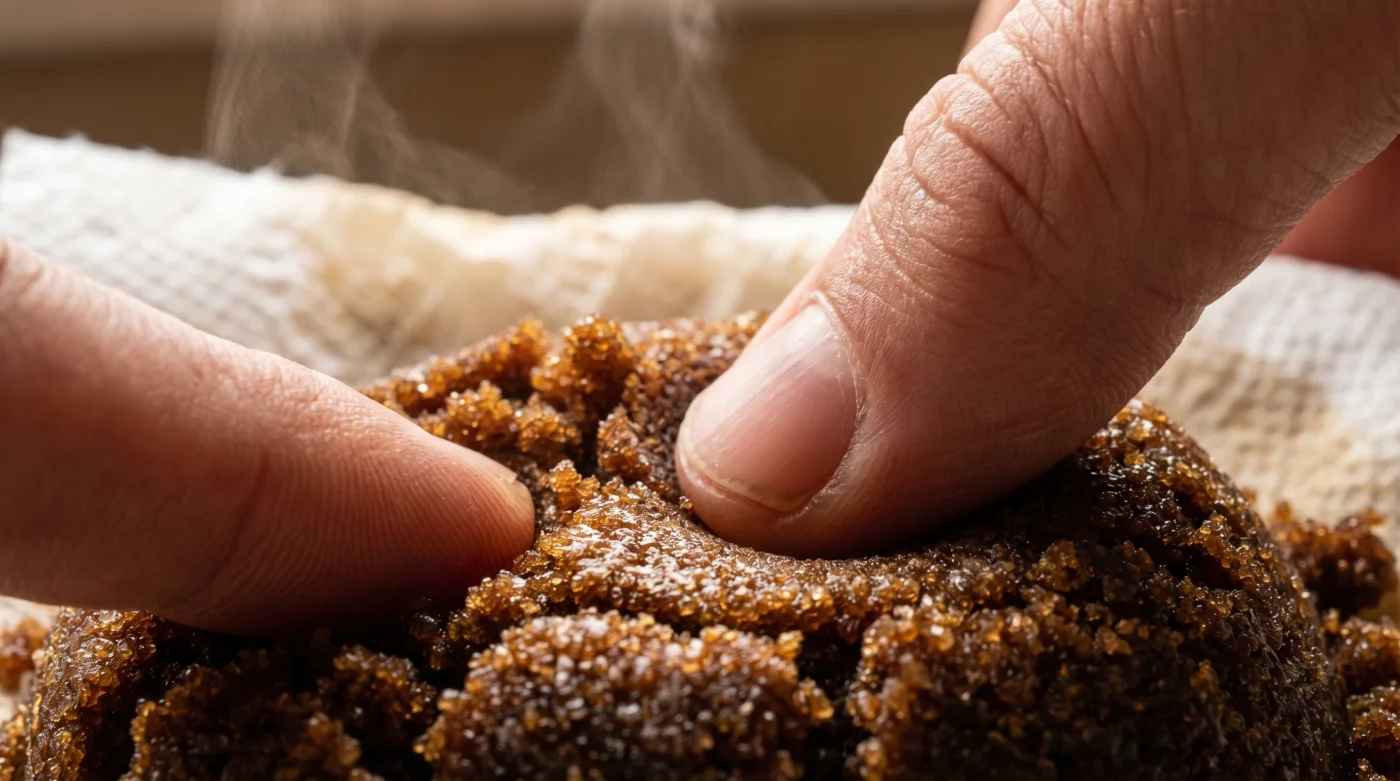
You know the exact sound. The heavy, unyielding thud of a solid block hitting the kitchen counter. It is a rainy Sunday morning, the butter is perfectly softened in its ceramic dish, and you are halfway through measuring flour for a batch of sticky ginger biscuits. You reach into the dark recesses of the pantry, fingers anticipating the soft, damp sand texture of brown sugar, only to pull out a geological specimen.
Most of us have stared at this hardened brick of molasses and felt the quiet sting of defeat. The immediate instinct is to hurl the stubborn lump directly into the bin, cursing yourself for not sealing the plastic packet tightly enough last November. You mentally calculate the time it would take to nip down to the corner shop, coat pulled hastily over pyjamas, while your carefully tempered ingredients sit waiting on the worktop.
But before you write off that fossilised bag as a lost cause, pause for a moment. This solid state is neither permanent nor ruined. It is merely a temporary suspension of chemistry, waiting for the right trigger to wake it from its slumber. The sugar has not spoiled; it has simply dehydrated. And bringing it back to life requires nothing more than thirty seconds and a scrap of wet paper.
The Anatomy of a Sweet Stone
Think of your packet of soft brown sugar not as a dry ingredient, but as a living, breathing ecosystem of moisture. It owes its squidgy, packable texture to a delicate coating of molasses clinging to every individual sugar crystal. When exposed to the dry air of a central-heated British home, that microscopic layer of liquid evaporates. The molasses turns into a rigid cement, binding the crystals together into a formidable block.
The common fix is to chisel away at it with a heavy knife, risking both your worktop and your knuckles. Yet, chipping at a boulder misses the point entirely. You are not trying to break the structure apart by force; you are inviting the moisture back. You are essentially dealing with a parched sponge. By introducing a gentle, controlled cloud of micro-steam, you bypass brute strength and coax the molasses into relaxing its grip.
This is a reality well understood by Elias, a 54-year-old development baker running a bustling sourdough and pastry kitchen in a damp corner of Cornwall. During the frenetic Christmas rush, Elias discovered an entire pallet of dark muscovado had solidified overnight due to a faulty storage heater. With three hundred treacle tarts to mix before dawn, there was no time to wait for a supplier replacement. He simply turned to his microwave, mimicking the humid environment of a professional proving drawer. By trapping heat and moisture under a damp cloth, he resurrected twenty kilos of rock-hard muscovado in minutes, transforming a potential disaster into a rhythmic, steamy success.
Tailoring the Moisture to the Sugar
Not all brown sugars share the same personality. Their reaction to losing moisture—and regaining it—depends entirely on their molasses content. Treating them all identically will leave you with either a soggy puddle or a still-stubborn lump.
For the Light Brown Loyalists, the pale sugar often used in classic chocolate chip cookies or flapjacks possesses a very delicate balance. It requires the gentlest touch. A piece of kitchen paper that is only barely damp, wrung out until it is nearly dry, will provide just enough ambient humidity to separate the pale crystals without dissolving them entirely.
For the Muscovado Devotees, dark brown sugar is a different beast entirely. Heavy, sticky, and rich with intense treacle notes, it forms the hardest bricks when neglected. You need a bit more aggression here. The kitchen paper should be wet enough to leave your fingertips glistening. The dense structure of muscovado demands a more persistent burst of steam to penetrate its core.
For the Batch Baking Parent trying to soften a massive block of unrefined sugar for a weekend baking marathon with the children, trying to microwave a whole kilo at once will leave the centre cold and hard. You must divide the boulder into manageable, fist-sized chunks, processing them individually to ensure the steam circulates evenly.
The Thirty-Second Resurrection
Executing this kitchen fix requires observation rather than strict adherence to a timer. It is a mindful process of rehydration, relying on your senses to gauge when the sugar has surrendered.
Begin by placing your hardened sugar into a microwave-safe ceramic or glass bowl. Avoid plastic, as the intense, concentrated heat from the sugar crystals can easily warp it. Take a single sheet of good quality kitchen paper, hold it under the cold tap, and squeeze it fiercely until water no longer drips.
- Lay the damp paper flat directly over the top of the bowl, ensuring it covers the rim completely.
- Set your microwave to a medium-high setting, rather than full power, to avoid scorching the molasses.
- Microwave in short, ten-second bursts.
- After each burst, gently press the top of the paper with your fingertips to feel if the structure beneath is giving way.
- Once you feel the lump soften, remove the paper and fluff the sugar immediately with a fork.
Your Tactical Toolkit: Use an 800W setting for optimal control. Target 10-15 second intervals. Fluffing whilst still warm is non-negotiable; if it cools undisturbed, it will set into an even harder block.
Reclaiming the Pantry
There is a quiet, profound satisfaction in saving something that appeared entirely broken. In a culture that often encourages us to simply throw away the inconvenient and buy anew, restoring a brick of sugar feels like a small act of rebellion. It is a nod to a more resourceful era of home cooking, where ingredients were respected and nothing of value was discarded lightly.
Mastering this simple technique does more than just save you a couple of pounds and a frustrating trip to the shops. It shifts how you view the inevitable hiccups of cooking. A culinary disaster is rarely an absolute finality. More often, it is just a puzzle waiting for you to apply a little basic chemistry and a touch of patience. By learning to micro-steam your way out of a baking crisis, you gain a deep, unshakeable confidence in your own kitchen capability.
True kitchen authority isn’t about avoiding mistakes, but knowing precisely how to coax a stubborn ingredient back to life with warmth and water.
| Sugar State | The Micro-Steam Fix | Added Value for the Baker |
|---|---|---|
| Solid Pale Block | Barely damp paper, 10 seconds | Preserves the light, sandy texture for delicate creaming. |
| Fossilised Muscovado | Thoroughly wet paper, 20-30 seconds | Reactivates the dense, sticky treacle required for rich cakes. |
| Slightly Clumpy | Warm, damp cloth draped over the packet (no microwave) | Gentle, overnight softening without risk of melting the batch. |
Frequently Asked Questions
Will the microwave melt the sugar into a syrup?
Not if you use short bursts. The damp paper absorbs the initial microwave energy, turning the water into steam before the sugar crystals reach melting point.Can I use a damp tea towel instead of kitchen paper?
You certainly can. Just ensure the towel is completely clean and carries no residual smells from laundry detergent or previous cooking, as the steam will transfer those flavours into your baking.How long will it stay soft after I microwave it?
It will remain soft only whilst it is warm. You must use the softened sugar immediately in your recipe, as it will harden again once the ambient moisture evaporates.What if I accidentally add too much water to the paper?
If the sugar becomes overly wet or soggy, simply spread it out on a flat baking tray and leave it exposed to the air for an hour to let the excess surface moisture dry off.Is there a way to stop it going hard in the first place?
Store your fresh packets in an airtight container with a slice of apple or a dedicated terracotta sugar bear. These naturally release ambient moisture, keeping the molasses perfectly hydrated for months.