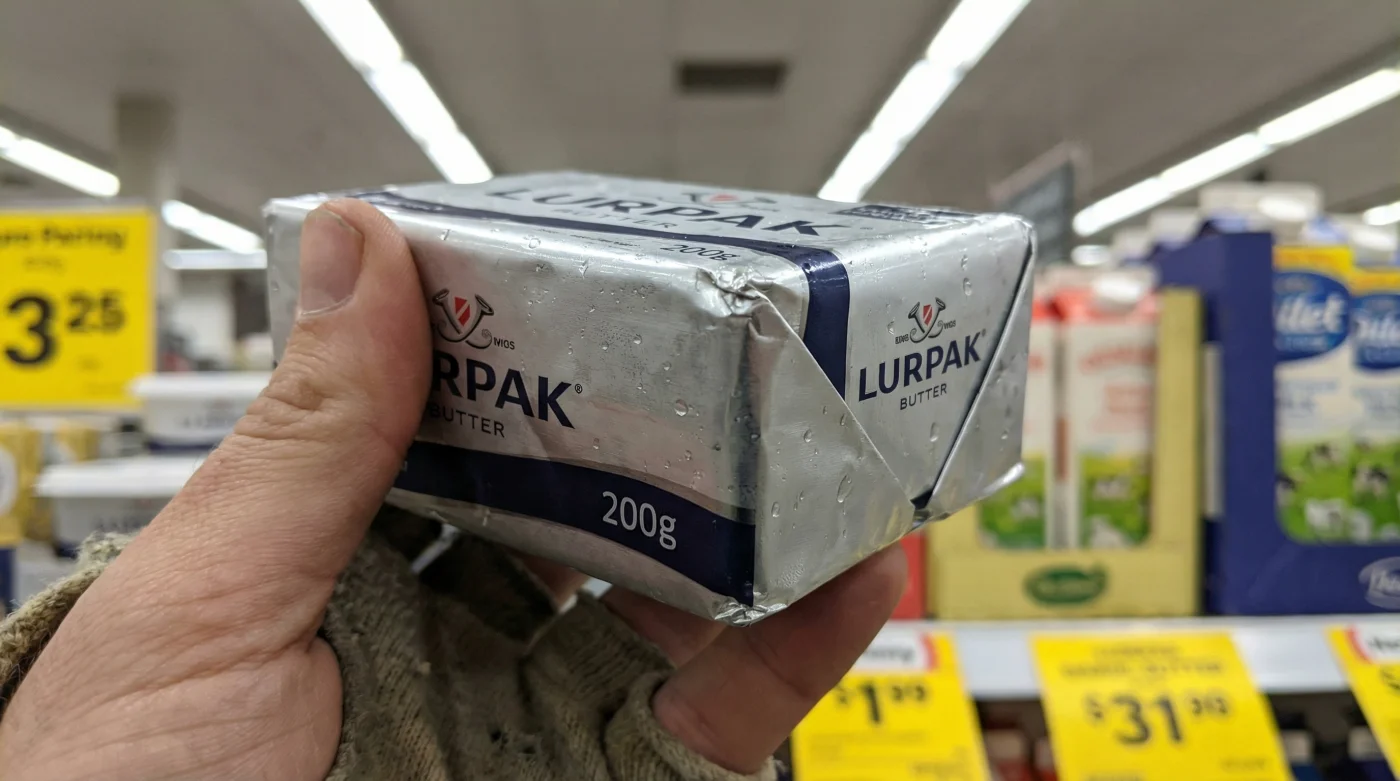
You hear the comforting click of the kettle settling into its boil. The toaster pops, releasing the scent of warm sourdough into your morning kitchen. You reach into the fridge door, fingers instinctively grasping for that familiar silver foil block of Lurpak. But as you lift it, your hand betrays a subtle hesitation. It sits slightly too light in your palm. The heft is wrong.
You turn the block over. Where there was once a reassuring 250g stamp, the foil now quietly declares 200g. Yet, your supermarket receipt still demands the same heavy toll in Pounds Sterling. You have just become a silent victim of the great dairy vanishing act.
The Erosion of the Baker’s Anchor
In the culinary world, measurements are not merely suggestions; they are the gravity that holds a recipe together. The traditional 250g block of premium butter has long been the anchor of British kitchens. It is the exact measure required for a classic Victoria sponge. It is the foundation of a robust shortcrust pastry.
When you silently lose 50g from that foundation without a corresponding drop in retail price, it is not simply a stealthy financial sting. It fundamentally throws off the muscle memory of your cooking. You are suddenly left scraping the foil, desperately trying to stretch a compromised block to meet the demands of an old family recipe.
I recently stood in a small, flour-dusted bakery in Cornwall, sharing a pot of tea with Thomas, a pastry chef who has worked the ovens for forty years. He noticed the shift before it made the headlines. He described his recent batches of dough feeling exactly like damp sand left out in the sun. He hadn’t changed his routine. The butter had simply changed its footprint.
Thomas realised that the new, stunted 200g blocks required him to completely recalculate ratios he had known by heart since his apprenticeship. For him, the silent shrinking was a breach of an unspoken contract between the maker and the ingredients.
| Kitchen Profile | The Hidden Impact | Strategic Adaptation |
|---|---|---|
| The Weekend Baker | Traditional cakes and pastries fail due to a sudden 20% fat deficit. | Transitioning to digital scales and buying supermarket own-brand blocks for baking. |
| The Family Cook | Weekly dairy supplies run dry a day or two earlier than expected. | Supplementing cooking fats with local rapeseed or olive oils to stretch the butter. |
| The Budget Planner | Paying a premium rate per gram whilst believing the weekly budget is intact. | Ignoring the block price and strictly monitoring the shelf label’s price per 100g. |
Recalibrating Your Kitchen Scales
Navigating this new era of shrinkflation requires a shift in how you walk down the dairy aisle. The silver foil and familiar blue lettering are designed to trigger your autopilot. You must deliberately switch that autopilot off.
- Bisto gravy granules face severe consumer backlash following unannounced recipe alterations.
- Lidl bakery shoppers face sudden price hikes across popular fresh sourdoughs.
- Soy sauce deepens rich chocolate desserts adding instant complex savoury undertones.
- Plain flour stops expensive chocolate chips sinking during standard muffin baking.
- Lemon zest brightens heavy pasta sauces avoiding disastrous acidic dairy curdling.
When you are at the stove, you must also adapt your physical habits. If you are roasting vegetables or basting a chicken, you no longer have the luxury of indiscriminately slicing thick wedges into the pan. Consider blending your Lurpak with a splash of oil. The oil raises the smoking point and ensures your increasingly precious dairy goes much further.
| Metric | The Old Standard | The Stealth Reality |
|---|---|---|
| Block Weight | 250g | 200g |
| Average Cost per 100g | £0.90 – £1.10 | £1.25 – £1.45 |
| Recipe Yield (Standard Sponge) | One block equals one cake perfectly. | Requires opening a second block to make up the 50g shortfall. |
| The Invisible Price Hike | Baseline Value | Effectively a 25% price increase hidden in plain sight. |
Protecting Your Peace at the Till
This subtle reduction in your groceries is about more than just pennies and ounces. It touches upon a sense of fairness. When you buy a premium product, you are investing in a promise of quality and consistency. Shrinking the block while maintaining the price tag erodes that trust.
You can reclaim your agency by exploring the alternatives. British supermarkets produce exceptional own-label block butters that still proudly boast a full 250g weight. Many of these are sourced from the exact same regional dairies as their premium counterparts.
Next time you find yourself staring at the yellow glow of the supermarket dairy fridge, take a breath. Weigh the options in your hands. Feel the physical difference between 200g and 250g. You are not just buying fat for your morning toast; you are making a conscious choice about where you place your value.
| The Dairy Aisle Checklist | What to Look For | What to Avoid |
|---|---|---|
| Weight Labelling | Clear 250g markers printed boldly on the front of the packaging. | Brands hiding the grammage on the underside or using ambiguous terms like ‘Handy Pack’. |
| Price Transparency | Shelf labels that clearly display a competitive price per 100g. | Bright promotional stickers screaming ‘Price Frozen!’ while obscuring the shrunken weight. |
| Alternative Sources | Regional butter from local farm shops or supermarket premium tier own-brands. | Blindly purchasing the same brand out of pure habit without checking the current specs. |
“A recipe is only as honest as the ingredients you bring to the table; when the measurements lie, the baker must become a mathematician.”
Frequently Asked Questions
Why did Lurpak reduce the size to 200g?
The manufacturer cites rising production, energy, and raw milk costs. Rather than pushing the price of a block beyond what consumers might tolerate, they reduced the size to maintain a specific price point on the shelf.Are all supermarket butters shrinking?
Not entirely. While premium branded spreads and blocks are heavily adopting shrinkflation, many supermarket own-brand blocks currently remain at the traditional 250g standard.How do I adjust my old recipes for the new sizes?
You will need to rely on digital scales rather than block markers. If a recipe calls for 250g, you must now buy two 200g blocks, using one whole block plus exactly one-quarter of the second.Is the quality of the butter still the same?
Yes, the recipe and churning process for the butter itself remain identical. The only factor that has been altered is the physical volume you receive for your money.Can I freeze butter to stock up when I find 250g blocks?
Absolutely. Butter freezes exceptionally well. You can store wrapped blocks in the freezer for up to six months without any noticeable degradation in flavour or texture.