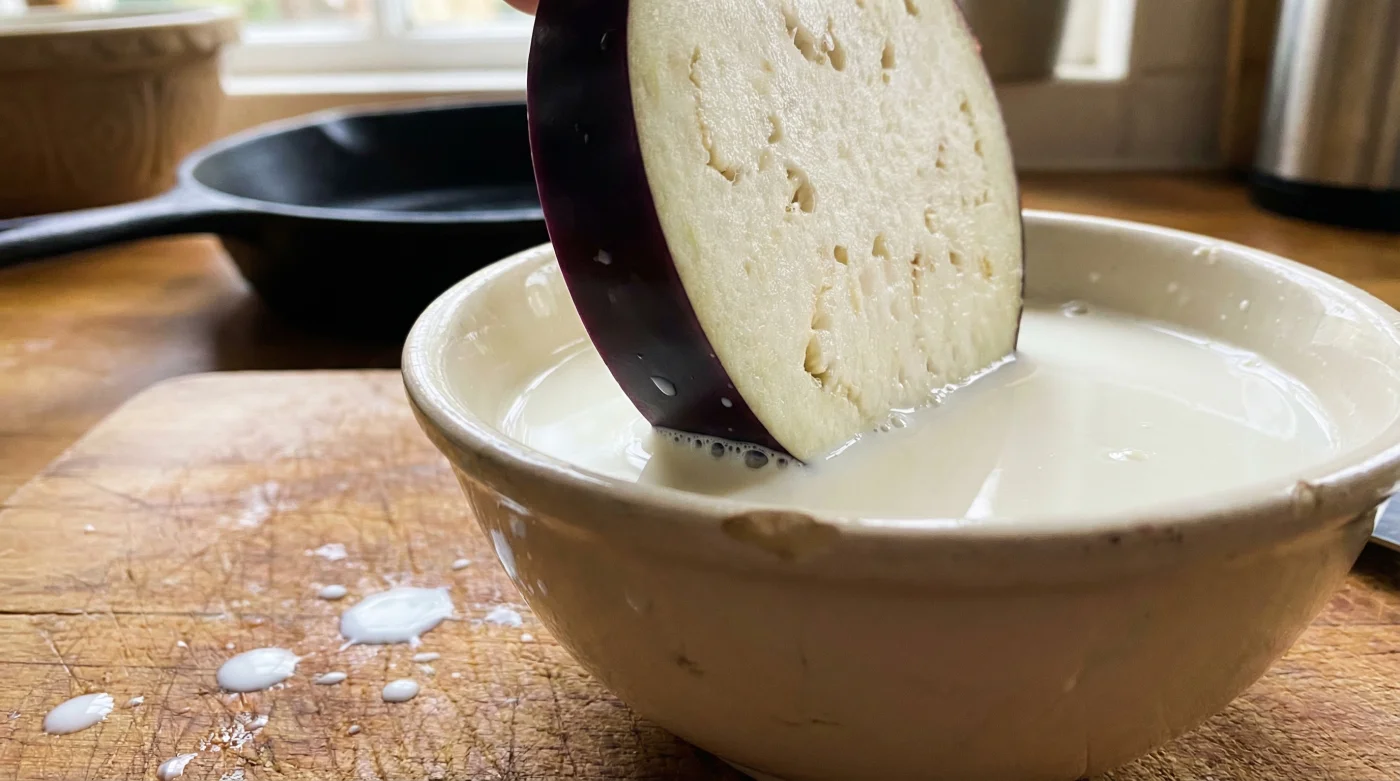
Sizzling oil in a heavy-bottomed pan usually sings a comforting tune. But when you drop in a batch of freshly diced aubergines, that song turns into a frantic, desperate hiss. Within seconds, the pan goes entirely dry. The purple-skinned cubes act like thirsty sponges, pulling in every last drop of your expensive olive oil. When you finally take a bite, instead of a creamy, roasted sweetness, your mouth fills with a heavy, greasy slick. It is a familiar kitchen heartbreak, one that leaves you feeling physically heavy and your frying pan terribly scorched. You find yourself pouring in more and more oil, watching it disappear into the void, wondering how a simple vegetable could be so demanding.
The Sponge Paradox and the Salting Myth
For generations, we have been told to heavily salt our aubergines before cooking. You dutifully slice them, coat them in coarse sea salt, and wait for the bitter tears to bead on the surface. We do this blindly, trusting inherited wisdom. But salting merely collapses the cellular walls, leaving behind a deflated structure that still actively craves fat. Think of a dry honeycomb; squeezing it out does not stop it from wanting to be filled. You need to pre-fill those empty microscopic chambers with something better before the intense heat is applied. This brings us to a quiet, highly effective kitchen revolution: the dairy soak.
I first learned this from Marco, a weary but brilliant chef running a tight Italian kitchen in Soho. He watched me weeping over a colander of salted aubergines, wasting both time and kitchen roll, and shook his head gently. ‘You are just making them thirsty,’ he muttered, wiping down his stainless steel workstation. He took a fresh, firm aubergine, sliced it thickly, and submerged the pieces in a wide bowl of cold, whole milk. He explained that milk, with its natural proteins and gentle fats, gently floods the porous flesh. By the time it hits the hot oil, the vegetable is already completely satisfied. It fries perfectly on the outside while remaining tender, sweet, and incredibly light on the inside.
| Cook Profile | The Specific Benefit of the Milk Soak |
|---|---|
| The Weeknight Cook | Saves thirty minutes of active preparation and tedious rinsing under the cold tap. |
| The Health Conscious | Drastically reduces the calorie count by blocking excess oil absorption in the pan. |
| The Flavour Purist | Retains the sweet, earthy note of the vegetable without the harsh, lingering saltiness. |
Understanding the architecture of your ingredients changes everything. An aubergine is essentially a complex matrix of microscopic air pockets. When heated, these pockets expand and draw in whatever liquid surrounds them. If that liquid is hot frying oil, the vegetable becomes hopelessly waterlogged with grease. By introducing milk first, you are strategically occupying that space. The dairy proteins bind to the inner walls of the vegetable, creating a microscopic shield. The oil remains in the pan, doing its actual job of crisping the exterior.
| Treatment Method | Cellular Reaction | Frying Outcome |
|---|---|---|
| Raw and Unprepared | Air pockets remain completely empty and highly reactive to external heat. | Absorbs up to four times its own weight in oil, becoming unpleasantly greasy. |
| Traditional Salt Cure | Cells deflate, losing moisture but entirely retaining their capacity to absorb liquid. | Still pulls in oil from the pan, often resulting in a heavily salted, dense bite. |
| Whole Milk Soak | Air pockets fill completely with hydrating dairy proteins and mild, natural fats. | Creates a robust protective barrier; the oil stays in the pan, yielding a crisp edge. |
The Ritual of the Soak
Preparing your aubergines should not feel like a battle against your ingredients. Begin by selecting firm, heavy fruits with tight, glossy skins. Slice off the green cap and cut the flesh into chunky discs or neat two-centimetre cubes, depending on the requirements of your final dish. You want pieces substantial enough to hold their shape gracefully in the heat.
Place the cut pieces into a wide, shallow bowl. Pour over enough whole milk to submerge them completely. If they float stubbornly to the surface, place a small saucer or a clean side plate over them as a gentle weight. You do not need gallons of milk, just enough to ensure every single piece is taking a bath. If you avoid dairy entirely, a creamy, barista-style oat milk performs beautifully as a substitute.
- Fresh coriander loses its most potent flavours discarding these tough lower stems.
- Halloumi cheese turns incredibly rubbery pan-frying with this standard cooking oil application.
- Pancake batter produces tough rubbery stacks suffering from this aggressive whisking habit.
- Fresh ginger loses excessive usable flesh undergoing standard kitchen knife peeling.
- Raw kidney beans trigger severe gastric illnesses skipping this mandatory rapid boil.
When the time is up, lift the pieces out. Pat them thoroughly dry with a clean, lint-free tea towel. Do not rinse them under the tap, as you want those proteins to remain in place. They are now primed for the frying pan, ready to crisp up beautifully without draining your expensive oil reserves or ruining the delicate texture of your dinner.
| Preparation Element | What to Look For (The Ideal) | What to Avoid (The Pitfall) |
|---|---|---|
| The Aubergine Skin | Taut, highly glossy, and deep purple with a firm bounce to the touch. | Wrinkled, dull patches, or soft brown spots indicating age and internal rot. |
| The Soaking Liquid | Whole cow’s milk or a rich, barista-style oat milk with a good fat content. | Skimmed milk or plain water, which lack the necessary structural proteins. |
| The Pre-Fry State | Patted completely dry on all sides with a clean, highly absorbent tea towel. | Dripping wet straight from the bowl, which will cause the hot oil to spit dangerously. |
Reclaiming Your Kitchen Peace
Cooking should bring you a sense of grounding, not a greasy pan and a heavy stomach. By swapping a harsh salt cure for a soothing milk bath, you completely change the nature of your dish. You stop fighting the ingredient and start working in harmony with its natural, cellular design. It is a profound shift in how you handle the food that ends up on your table.
This simple adjustment means your weekday curries, weekend parmigianas, and summer moussakas feel remarkably lighter. You finally taste the sweet, earthy essence of the fresh vegetable, unmasked by a suffocating layer of cooking fat. The kitchen smells of toasted vegetables rather than scorched oil. It is a small, quiet act of culinary rebellion that elevates your daily meals from frustrating to genuinely phenomenal.
Treat the vegetable like a parched throat; give it something nourishing to drink before you ask it to work in the heat.
Frequently Asked Questions
Can I use a plant-based milk for this soaking method?
Absolutely. While whole cow’s milk is traditional, a creamy, barista-style oat milk works exceptionally well. You need a liquid with enough protein and fat to fill the cellular structure, so actively avoid watery almond or skimmed milks.Do I still need to salt the aubergine for flavour?
You will season your dish during the cooking process, just as you would with any other fresh vegetable. The milk soak handles the texture and moisture, leaving you fully in control of exactly how much salt goes into the final pan.How long is too long for the soak?
Thirty minutes is the absolute sweet spot. If you leave them soaking for much longer than an hour, the flesh can become overly saturated and mushy, making them incredibly difficult to fry to a crisp finish.What should I do with the leftover milk?
Because the raw aubergine has been sitting in it, it is best to discard the leftover milk down the sink. It will have taken on slightly bitter, raw compounds from the vegetable and is not suitable for drinking or baking.Does this method work for roasting in the oven?
Yes. While it is truly a lifesaver for shallow frying on the hob, milk-soaked aubergines also roast beautifully. They will develop a golden crust in the oven without demanding constant drizzles of olive oil to stop them from drying out.