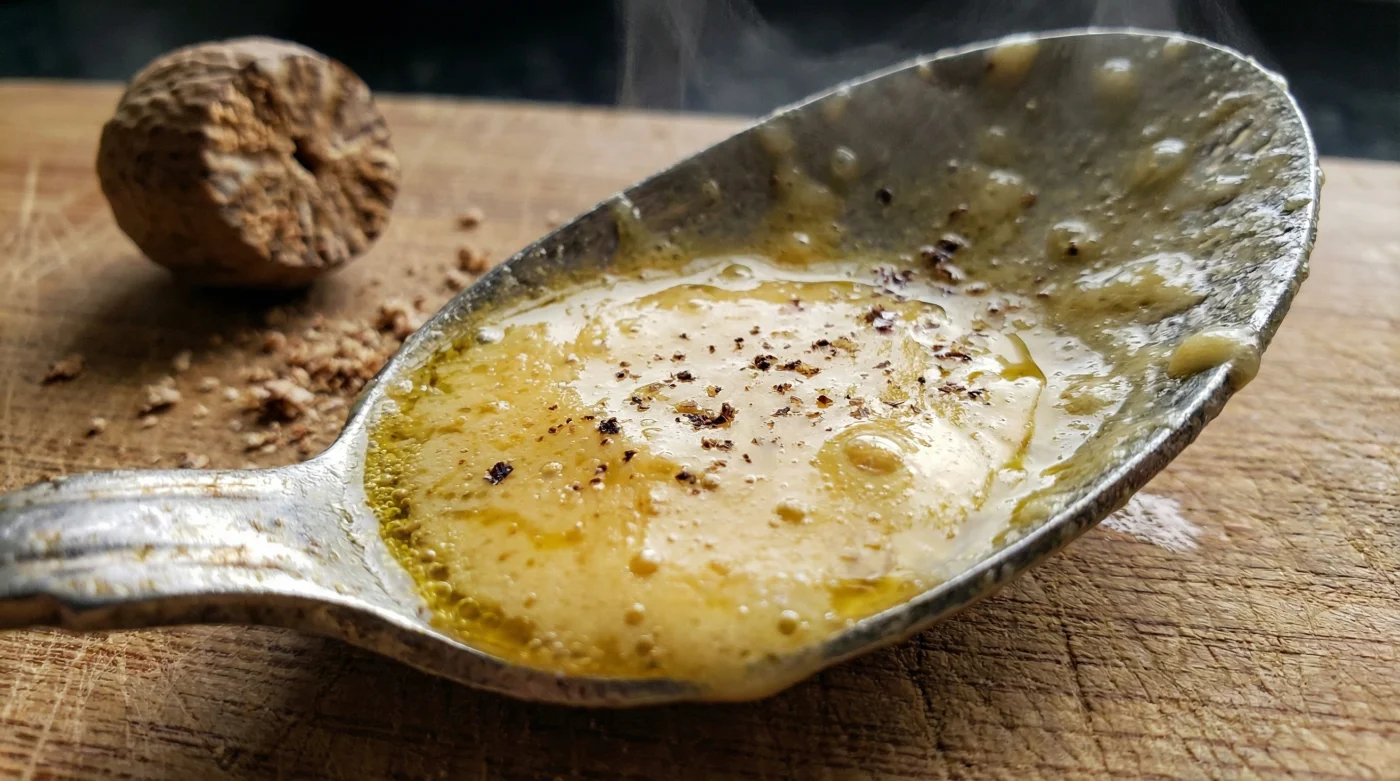
Picture this: you are standing over a bubbling saucepan, whisk in hand, the extractor fan humming above. Steam rises, carrying the heavy, familiar scent of melted cheddar, butter, and warm milk. You have spent nearly ten pounds on a block of aged artisan cheese from the local deli, grating it painstakingly into the floury base. But when you lift the wooden spoon to taste, there is a hollow disappointment. The sauce is thick, yes. It is creamy. But it is flat. It breathes through a pillow, feeling heavy rather than indulgent. You add more salt. You grind more black pepper. Perhaps you stir in a desperate dollop of English mustard. Yet it stubbornly refuses to taste like the glossy, velvet macaroni cheese they serve at that dimly lit bistro in town.
The Myth of the Expensive Block
Here is where the commercial culinary world plays its quietest trick on you. The human instinct, when faced with a lacklustre cheese sauce, is to throw more money at the saucepan. We operate under the stubborn belief that a mature, artisanal cave-aged cheddar or a wedge of imported Gruyere will single-handedly solve a bland palate. But think of a dairy-heavy sauce as a choir singing entirely bass notes. Adding older, more expensive cheese is simply dragging another baritone onto the stage. The sauce becomes heavier. The fat content rises, suffocating the delicate notes of the roux. It makes a louder noise, but it does not carry a tune. You do not need more fat. You need a bridge.
I learned the truth of this standing in the cramped, fiercely hot prep kitchen of a busy Soho brasserie. The head chef, an old-school technician who treated butter with religious reverence, watched me struggle with a large batch of mornay sauce. Rather than telling me to raid the walk-in fridge for more parmesan, he reached into his top pocket and produced a tiny, gnarled brown seed. With a fine grater, he let three microscopic dust-flakes of whole nutmeg fall into the vat. He did not measure. He simply stirred it once and said, ‘We are waking up the milk.’
When I tasted it, the change was staggering. The sauce did not taste sweet, nor did it taste of baking spices. Instead, that microscopic pinch of ground nutmeg had bridged the heavy dairy fats, cutting through the cloying texture and enhancing the savoury umami profile immediately. The cheese tasted sharper, older, and far more complex than it actually was.
| Target Audience | Specific Benefits of Nutmeg Integration |
|---|---|
| The Budget-Conscious Cook | Mimics the complex flavour of aged, premium cheeses while using standard supermarket blocks, saving pounds per meal. |
| The Dinner Party Host | Elevates a basic macaroni or cauliflower cheese to a restaurant-standard side dish with zero extra cooking time. |
| Parents of Fussy Eaters | Introduces a hidden depth of flavour without altering the visual appeal or adding visible herbs that might cause suspicion. |
Waking Up the Roux
The practical application of nutmeg is an exercise in profound restraint. You are not baking a carrot cake; you are introducing a chemical catalyst. If you can actively taste the nutmeg in your finished sauce, you have added far too much. The goal is an invisible elevation.
Begin by preparing your standard roux: equal parts butter and plain flour, cooked out over a medium heat for a minute until it smells faintly of toasted biscuits. Gradually whisk in your cold milk. This is the crucial moment. Do not wait until the cheese is added to introduce your spice.
While the milk is thickening and absorbing the flour, take your whole nutmeg seed. Give it exactly two brisk swipes across a fine grater directly over the pan. This microscopic dusting will hit the warm milk and immediately begin to release its volatile oils.
By the time you fold in your grated cheddar, the dairy base is already primed. The fats in the cheese will bind with the nutmeg oils, creating a sudden rush of savoury umami that floods the palate. It is a physical transformation as much as a flavour one; the sauce will feel lighter, less cloying, and infinitely more refined.
| Chemical Component | Dairy Interaction | Flavour Output |
|---|---|---|
| Myristicin | Binds to milk casein proteins | Reduces the perception of heavy, cloying fat on the tongue. |
| Eugenol | Interacts with salt and cheese enzymes | Triggers umami receptors, making young cheese taste matured. |
| Sabinene | Disperses through heated butterfat | Adds a peppery, invisible warmth that brightens the overall palate. |
The Discipline of the Spice Drawer
- Fresh coriander loses its most potent flavours discarding these tough lower stems.
- Halloumi cheese turns incredibly rubbery pan-frying with this standard cooking oil application.
- Pancake batter produces tough rubbery stacks suffering from this aggressive whisking habit.
- Fresh ginger loses excessive usable flesh undergoing standard kitchen knife peeling.
- Raw kidney beans trigger severe gastric illnesses skipping this mandatory rapid boil.
When you add stale powder to a hot cheese sauce, you are simply adding sawdust. You must use a whole seed. A jar of whole nutmegs costs barely two pounds and will easily last you a year.
They are hard as pebbles and perfectly preserve the potent, oily core within. When you grate it fresh, the difference in aroma is arresting. It smells sharp, woody, and intensely aromatic.
| Quality Marker | What to Look For (The Standard) | What to Avoid (The Pitfalls) |
|---|---|---|
| Form | Whole, hard, pale-brown seeds with a slightly dusty, wrinkled exterior. | Pre-ground powder in glass jars or plastic tubs. |
| Aroma | Immediate, sharp, woody scent only upon grating. | A dull, sweet smell, or no scent at all when opening the container. |
| Storage | Kept in an airtight tin, away from the heat of the hob. | Stored directly above the oven where steam degrades the oils. |
Beyond the Saucepan
Learning to season with nutmeg is a quiet culinary milestone. It shifts your perspective from merely following a recipe to actively commanding the ingredients. You begin to understand that flavour is not just about stacking expensive items on top of one another. It is about harmony, balance, and the clever deployment of small, powerful elements to lift heavy foundations.
When you serve your next macaroni cheese, pour it over a lasagne, or bake a bubbling cauliflower cheese for a Sunday roast, watch the faces of those eating it. They will not ask if you used nutmeg. They will simply ask where you bought the cheese. That is the hallmark of a true, professional-standard kitchen. It is the peace of mind that comes from knowing you do not need to spend twenty pounds at a specialist dairy to create a moment of genuine comfort. You just need a microplane, a tiny brown seed, and the confidence to use it.
“A true sauce does not shout its ingredients; it whispers its complexity through the careful, invisible pairing of heavy fats and aromatic oils.”
Frequently Asked Questions
Can I use pre-ground nutmeg if I am in a rush?
You can, but the result will be vastly inferior. Pre-ground nutmeg loses its essential oils rapidly, leaving behind a dusty, sweet powder that fails to bridge the savoury notes of the cheese.What is the exact ratio of nutmeg to milk?
There is no rigid measurement, but a safe baseline is two swipes on a fine grater per pint of milk. Remember, if you can explicitly taste nutmeg, you have been too heavy-handed.Does this trick work with vegan or dairy-free cheese sauces?
Yes. Plant-based milks and vegan cheeses often lack natural umami and can feel heavily processed. A microscopic pinch of fresh nutmeg performs the same bridging action, lending a more authentic, complex profile to the cashew or oat base.Should I still add mustard to my cheese sauce?
Absolutely. Nutmeg handles the aromatic bridge, while a small spoonful of mustard provides a sharp, acidic spike. The two work brilliantly in tandem to balance heavy fats.Can I grate the nutmeg directly into the grated cheese beforehand?
It is better to grate it directly into the hot milk. The heat is required to instantly release and distribute the volatile oils before the heavy cheese proteins are introduced to the pan.