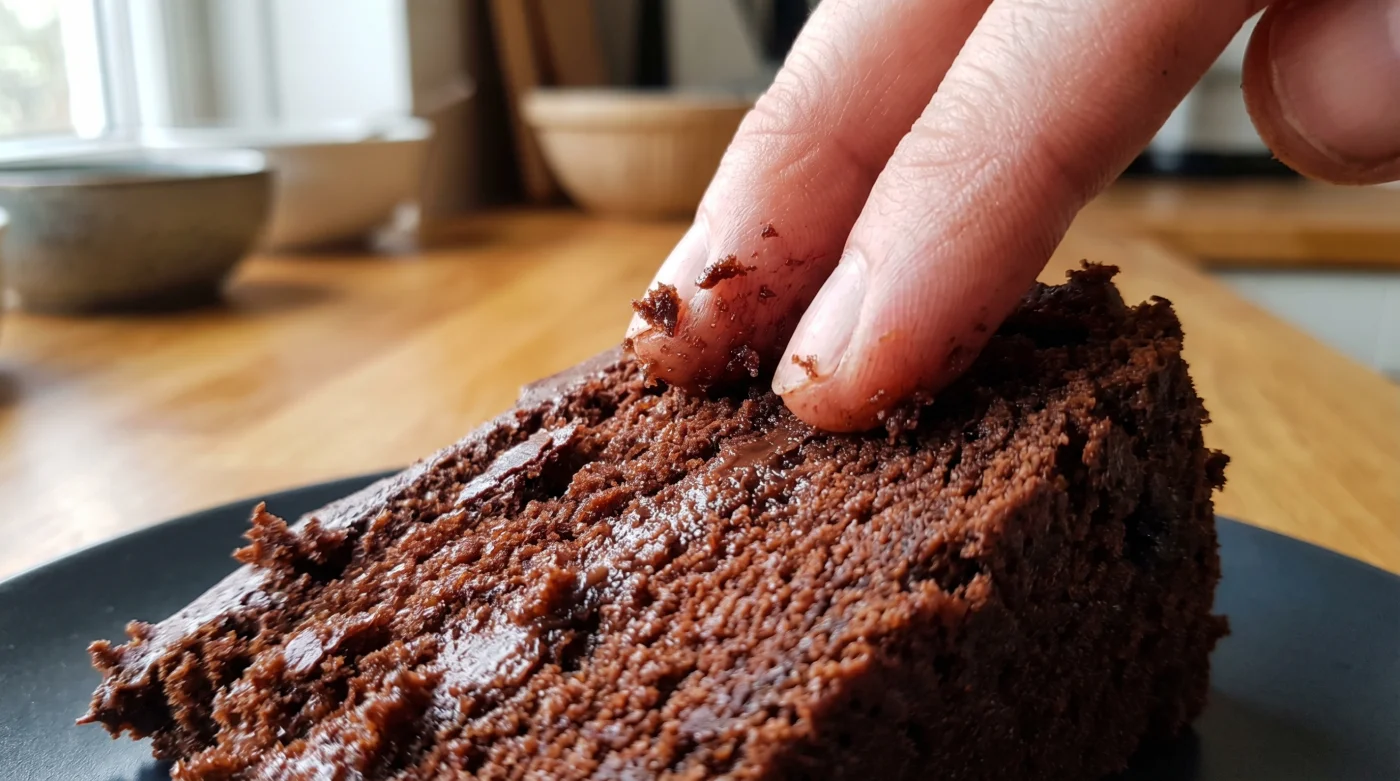
You pull the baking tin from the heat. The kitchen smells heavily of toasted sugar and warm cocoa, a comforting scent that settles into the curtains and promises a triumphant afternoon tea. The surface of the sponge has that slight, perfect dome, sitting quietly on the cooling rack.
But then the serrated knife goes in. The blade drags, the crumb shatters, and you are left staring at a dusty, crumbling slice on the plate. You attempt to mask the dry reality with a heavy slick of buttercream, hoping nobody notices that the cake itself requires a strong cup of Earl Grey just to swallow.
Restaurant kitchens do not suffer this particular humiliation. Their sponges sit in chilled display cabinets for hours, yet yield to the fork like damp velvet. The difference rarely lies in expensive vanilla pods or heavily guarded techniques imported from European culinary schools.
It comes down to a harsh white condiment sitting quietly in your fridge door. Adding a spoonful of mayonnaise might feel like a culinary trespass, but you are holding a concentrated moisture engine, waiting to fundamentally alter your baking results.
The Perspective Shift: Rethinking the Emulsion
When you strip away the branding and the immediate association with egg sandwiches, mayonnaise is simply oil and egg yolks held together in a fragile truce. It is a pre-emulsified fat, created through aggressive whisking until it becomes perfectly stable.
In a traditional sponge recipe, you spend your time beating butter and sugar, praying the fresh eggs will incorporate without curdling the delicate mixture. When you use mayonnaise, the labour happens instantly, providing a stable suspension of fat that coats the flour proteins and actively halts the formation of tough gluten.
The real magic, however, lies in the trace amount of vinegar. That faint acidity does not make your cake taste like a savoury salad dressing. Instead, it reacts immediately with your bicarbonate of soda, producing a sharp lift that leaves the crumb airy while the oil traps the moisture inside.
Eleanor Hughes, a 42-year-old head pastry chef at a thriving independent café in Bath, discovered this by sheer necessity. Tasked with baking forty chocolate cakes a week that needed to stay pristine under glass covers, she found her butter-based sponges were turning rigid by mid-afternoon. After unearthing a rationing-era recipe from the 1940s—when butter was painfully scarce—she swapped her standard fat for high-quality mayonnaise, noting that she has never creamed butter for a chocolate sponge since.
Layering the Method: Adjustments for Your Kitchen
Not all baking routines look the same, and the way you apply this addition depends entirely on the time you have and the ingredients resting on your counter. The adjustment is highly forgiving.
For the weekend purist, this is about refining a scratch recipe. If you are using dark, Dutched cocoa powder, replacing half the butter in your recipe with an equal weight of mayonnaise deepens the chocolate profile. The vinegar actively cuts through the earthy bitterness, making the cocoa taste infinitely more pronounced.
For the exhausted parent staring down a school bake sale at nine o’clock at night, this is a brilliant rescue mission. Taking a basic supermarket chocolate cake mix and ignoring the instructions printed on the cardboard box is entirely permissible.
Simply swap the suggested oil and water for three large tablespoons of mayonnaise and a splash of whole milk. The resulting traybake will disguise its cardboard origins, tasting as though you spent hours weighing flours and melting dark chocolate callets.
For the dairy-averse baker, this method opens up an entirely new avenue of dessert making. Because traditional mayonnaise contains only oil, egg yolks, and vinegar, it is naturally free from milk proteins.
You can bypass butter completely without relying on expensive, highly processed vegan blocks that often leave a strange aftertaste. The cake retains its structural integrity and melts on the tongue, completely indistinguishable from its dairy-heavy counterparts.
Mindful Application: The Tactical Toolkit
Integrating this ingredient requires a gentle hand and a bit of foresight. You are dealing with a mixture that is already perfectly balanced, so aggressive mechanical beating will only break the emulsion and leave you with greasy results.
To ensure your crumb resembles damp velvet rather than a dense pudding, you must follow these specific parameters when preparing your batter.
- Temperature control: Ensure your jar sits at room temperature for thirty minutes before baking. Cold fat will immediately shock the batter.
- The substitution ratio: For every 100g of butter or oil your recipe demands, use exactly 100g of full-fat, unflavoured mayonnaise.
- The folding technique: Whisk the mayonnaise into your wet ingredients—eggs, milk, and vanilla—until completely smooth, then fold gently into the dry ingredients using a metal spoon.
- Baking adjustments: Oil-based cakes bake slightly faster. Check your tin at 160°C fan five minutes early; the skewer should emerge with a few damp crumbs attached.
The resulting batter will look unusually glossy in the mixing bowl. Do not panic if it seems slightly thicker or heavier than your usual mixture; it will relax beautifully the moment it meets the heat of the oven.
The structure will set quickly, creating a barrier that stops steam from escaping. This ensures that the water content remains trapped inside, doing exactly what you need it to do.
The Bigger Picture: Baking Without Anxiety
There is a distinct quietness that comes with knowing your domestic efforts will not fail in the final, crucial moments. The constant fear of producing a dry cake often ruins the simple pleasure of making it.
Trusting the science of emulsion entirely removes that lingering stress. You are no longer crossing your fingers and hoping the oven is forgiving; you have engineered a crumb that fundamentally cannot dry out.
Tomorrow, when you cut a slice from the tin, it will still yield perfectly to the gentle pressure of a fork. It will taste of deep, resonant chocolate, beautifully untethered from the mundane jar that made it all possible.
Treat mayonnaise not as a condiment, but as a masterclass in fat suspension—it is the quiet architect of the perfect crumb.
| Key Point | Detail | Added Value for the Reader |
|---|---|---|
| Pre-Emulsion | Oil and eggs are already perfectly suspended together. | Saves you the labour of creaming butter and prevents curdled batter. |
| Vinegar Content | Reacts immediately with bicarbonate of soda. | Creates an exceptionally light, airy texture that contrasts the dense moisture. |
| High Oil Ratio | Coats flour proteins effectively during mixing. | Halts tough gluten formation, resulting in a velvet-like crumb that lasts for days. |
Frequently Asked Questions
Will my chocolate cake taste faintly of mayonnaise?
Not at all. The cocoa powder is dominant, and the vinegar actually highlights the chocolate notes rather than tasting savoury.
Can I use low-fat or light mayonnaise for this method?
You must avoid light versions. They contain added water and stabilisers that will evaporate in the oven, leaving your sponge dense and gummy.
Do I still need to add eggs if the mayonnaise already contains them?
Yes, follow your recipe’s egg requirements. The yolks in the mayonnaise act purely as an emulsifying fat, not as a structural binder for the whole cake.
How long will the cake stay moist using this technique?
Stored in an airtight tin at room temperature, a mayonnaise-based sponge will retain its damp, velvet texture for up to four days without drying out.
Should I alter the oven temperature when baking with this ingredient?
Keep your temperature the same, usually around 160°C fan, but check the cake five minutes earlier than the recipe dictates, as oil-based batters cook slightly faster.