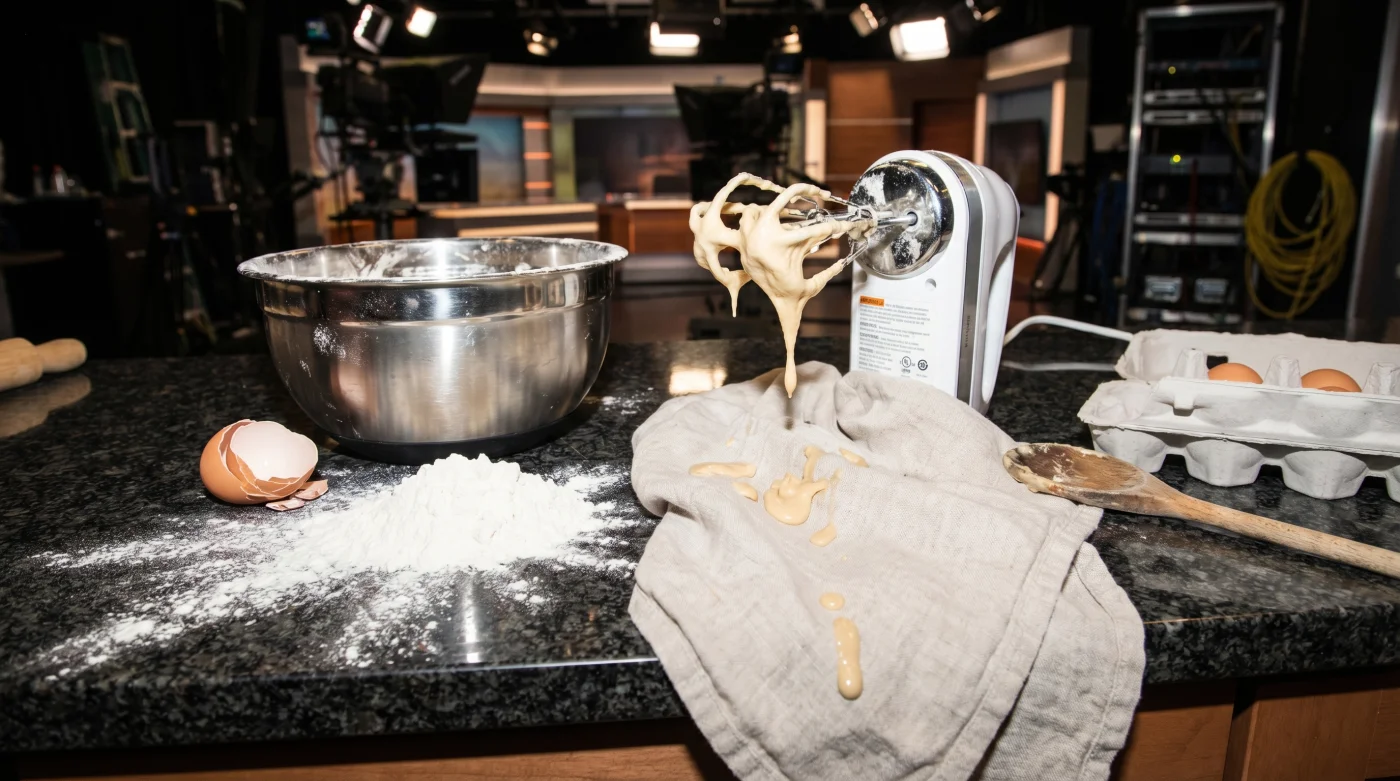
There is a specific comfort in the background noise of morning television. It is the soundtrack to scraping cold butter onto toast, the familiar clatter of a wooden spoon against a ceramic bowl, and the dusting of flour settling on a brightly lit studio counter. For months, Josie Gibson’s baking segments provided exactly this—an anchor of warmth and chaotic, joyful measuring that made tackling a Victoria sponge before ten in the morning seem entirely reasonable. The appeal was never just about the cake; it was the shared experience of watching someone else manage the mess, providing a gentle push to get your own mixing bowls out of the cupboard.
The screen stays entirely quiet where the familiar whisking used to be, leaving a noticeable gap in the morning routine. When a popular segment is suddenly dropped, the immediate change ripples through kitchens across the country. You are left staring at a half-empty bag of self-raising flour, wondering where to find your next dose of accessible inspiration. It feels as though a reliable friend has abruptly cancelled a weekly coffee date, leaving you with the ingredients but none of the usual motivation to turn the oven on.
But the absence of a morning baking guide is not a disaster; it is a quiet invitation. The sudden silence forces you to stop watching someone else create and start trusting the weight of the ingredients in your own hands. You no longer have a presenter pacing you through the steps, frantically trying to beat the commercial break, which means you are finally free to set your own rhythm. Viewers must find new recipes elsewhere, moving past the passive consumption of morning television and stepping into the active, tactile reality of their own kitchens.
The Stabiliser Effect
Following a television baking segment is remarkably like riding a bicycle with stabilisers. You are pedalling, yes, but the balance is being managed for you. The presenter warns you exactly when the cream should tremble, and the production team magically speeds up the tedious parts of creaming butter and caster sugar, leaving you scrambling to catch up in real-time. You rely entirely on their visual cues, watching the screen more than you watch the batter in front of you.
Relying solely on visual pacing from a broadcast often means you mimic rather than understand. When a major morning anchor steps away from the mixing bowl, that crutch is immediately kicked away. The perspective shifts entirely: you must stop trying to match a television timetable and start listening to what the dough is actually doing. The flaw of losing your morning guide suddenly reveals itself as a major advantage—you are forced to bake with your senses, feeling the resistance of the dough and smelling the caramelisation, rather than keeping your eyes glued to a television monitor.
Consider Thomas, a 42-year-old primary school teacher from Bristol who strictly baked alongside morning television broadcasts. When his favourite schedule shifted without warning, he was left with a countertop full of ingredients and a sense of mild panic. Forced to rely on a worn community cookbook rather than a presenter, he discovered that baking is fundamentally just a language of ratios and patience. Once he stopped waiting for a television host to tell him the cake was ready, he finally noticed the subtle, sweet scent of browned butter that indicated a perfect bake—a sensory detail he had previously ignored over the bright noise of the studio audience.
Charting Your New Culinary Morning
Without a televised morning script, you must actively decide what enters your oven. This means categorising your cravings and finding resources that speak to your specific mood rather than relying on whatever the producers decided to air that week. The internet is flooded with options, but replacing a trusted television segment requires curation, not just a random search engine query.
For the Comfort Seeker
If you relied on morning segments for uncomplicated, nostalgic traybakes, your best transition is towards classic, printed British baking books. You want recipes that call for standard blocks of butter, familiar measurements, and straightforward temperatures. Look for written guides that focus on the gentle slump of a Victoria sponge or the crackled, sugary top of a lemon drizzle. These require minimal active thinking, deliver maximum reassurance, and completely ignore food trends in favour of guaranteed results.
For the Ambitious Novice
Seeking a genuine technical challenge means pivoting away from quick television formats entirely. Morning television rarely allows for the three-day cold fermentation of a sourdough starter or the precise, temperature-controlled lamination of a breakfast pastry. Now is the exact moment to explore digital archives from professional bakeries. Here, instruction is measured in exact grams and ambient kitchen temperatures rather than rushed minutes before a news bulletin.
For the Weekend Grazer
Perhaps you only tuned in for the savoury, tear-and-share creations that perfectly suit a late Saturday morning. Your new source material should be food writers who specialise in relaxed weekend brunches. You are looking for recipes that forgive a heavy hand with the mature cheddar and do not require you to temper eggs before you have finished your first cup of tea.
Mindful Application
Transitioning away from broadcast baking requires a slight adjustment in how you set up your physical space. You are no longer racing against a television clock, so you can afford to move with deliberate, minimalist intention. The goal is to make the process feel like breathing through a pillow—soft, measured, and entirely under your own control. You dictate the pace now.
Approach your new, independent baking routine by intentionally stripping away the frantic noise.
- Read the entire recipe from start to finish before opening a single cupboard.
- Weigh all your ingredients into separate bowls beforehand—a practice that drastically reduces middle-of-the-mix panic.
- Trust the tactile feedback of the mixture over the suggested baking time, as domestic ovens vary wildly in temperature.
- Allow your cold ingredients, particularly eggs and butter, to sit until they reach true room temperature.
Creating your tactical baking toolkit means relying on foundational markers rather than a presenter’s reassurance.
- The Soft Peak: When whisking egg whites or double cream, the tip should slump over slightly, resembling a gentle, yielding hook.
- The Windowpane Test: Stretched bread dough should turn translucent without tearing, proving the gluten has developed.
- The Skewer Check: A metal skewer inserted into the centre of a cake should come out completely clean, and the sponge should quietly spring back when pressed gently with a finger.
- The Temperature Baseline: Default to 180 Degrees Celsius (160 Degrees Celsius for fan ovens) for most standard sponges unless the recipe explicitly states otherwise.
Owning the Quiet Kitchen
Losing a familiar morning routine initially feels like a frustrating disruption, but it is ultimately a quiet graduation. When you are no longer mirroring a television presenter, the kitchen ceases to be a frantic race to keep up and settles into a space of personal focus. You are the one orchestrating the sharp snap of dark chocolate, the warm yeast blooming in tepid water, and the slow, satisfying rise of a perfectly aerated sponge.
The flour on the worktop is entirely your own making. You stop viewing baking as an entertaining performance to be watched from the sofa and start experiencing it as a tactile, grounded reality. The sudden ending of a morning segment does not leave you stranded; it leaves you completely in charge, armed with the quiet confidence that you never truly needed the television to tell you how to bake in the first place.
The moment the screen goes dark is the exact moment you actually learn how to bake. You stop following instructions and start following your senses.
| Key Point | Detail | Added Value for the Reader |
|---|---|---|
| Broadcast Baking | Rushed pacing to fit television segments. | You learn to dictate your own kitchen rhythm. |
| Visual Cues | Relying on the presenter to tell you when it is done. | You develop trust in your own smell and touch. |
| Recipe Selection | Baking whatever is chosen by the producers. | You bake exactly what you crave, when you crave it. |
Navigating the Independent Kitchen
How do I find reliable recipes now? Avoid trend-chasing blogs and seek out established British cookbooks or websites from major culinary institutions that test their recipes rigorously.
What if my cakes keep sinking without a visual guide? A sinking sponge usually points to opening the oven door too early or over-beating the eggs. Trust your timing and leave the oven shut for at least twenty minutes.
How do I pace myself without a television segment? Read the recipe twice before starting. Weigh everything out first. The preparation should take longer than the mixing.
Can I still bake quickly in the morning? Yes, but pivot to recipes designed for speed, such as scones or simple muffins, rather than attempting a layered sponge before work.
Why does my home baking taste different to the television results? Television studios use industrial ovens and aggressive lighting to make food look perfect. Focus on the taste and the texture, not just the visual aesthetic.