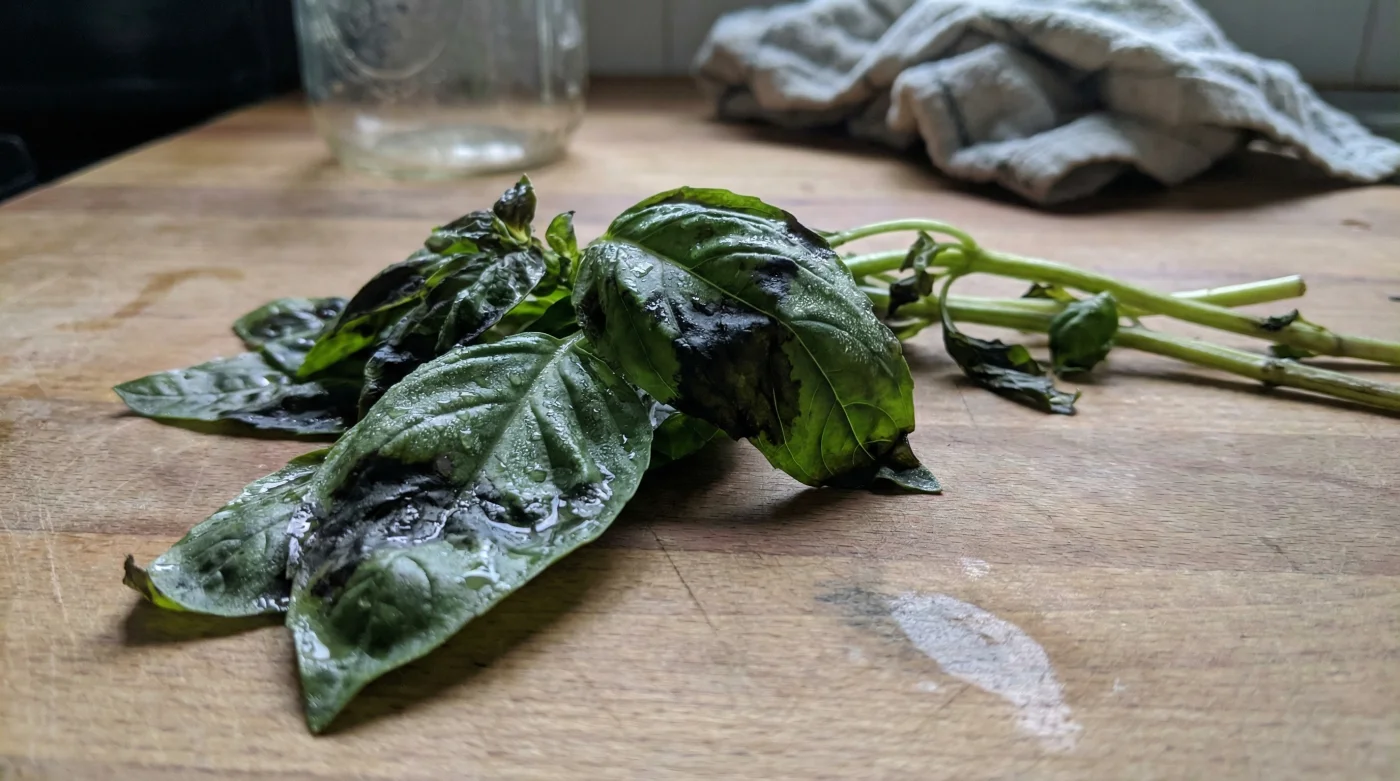
You know the exact disappointment. The sharp crinkle of the plastic packet as you unpack your supermarket bags, placing that vibrant, two-pound bunch of fresh basil straight into the fridge. At that moment, the leaves are brilliant, emerald, and structural. They smell like a late summer evening, full of sweet aniseed and peppery promise, ready for a weekend of homemade pesto or a classic Caprese salad. Yet, just forty-eight hours later, you slide open the salad crisp drawer to retrieve your prize. The sweet aroma is entirely gone, replaced by the faint, damp scent of decay. You reach into the plastic and pinch a limp, slimy mass. Your beautiful fresh basil leaves have turned entirely black. It feels like a waste of perfectly good food, a tiny culinary betrayal right there in your own kitchen.
A Tropical Soul in a Winter Box
This frustration stems from a deeply ingrained modern habit: we are conditioned to believe the refrigerator preserves all green things. We treat tender herbs with the same rough logic we apply to hardy carrots or robust winter cabbage. But you must look at basil differently. Think of it not as a resilient vegetable, but as a fragile, tropical creature. Native to warm climates, basil thrives on heat and sunlight. Placing it into a cold, dark fridge is the botanical equivalent of throwing a sunbather into an ice bath.
It suffers immediate thermal shock. The delicate cell walls of the leaves simply cannot withstand temperatures below ten degrees Celsius. When they rupture, the enzymes inside mix, oxidise, and turn the leaf a bruised, permanent black. I learned this the hard way years ago, until a conversation with an old Italian deli owner named Marco changed my kitchen habits forever. Marco ran a tiny, fiercely authentic shop in Cornwall, and he never kept his basil near a chiller. Instead, enormous, aromatic bunches stood in vintage milk jugs on his wooden counter. ‘It is a living thing,’ he told me, gently tapping a leaf. ‘You do not lock a flower in a cold box. You give it water to drink and a view of the room.’
| The Home Cook | The Common Frustration | The Worktop Benefit |
|---|---|---|
| The Batch Prepper | Buying herbs on Sunday, finding black slime by Wednesday when cooking. | Basil survives up to two weeks, ready to be picked exactly when needed. |
| The Budget Conscious | Throwing away half a packet of expensive supermarket herbs every single week. | Zero waste. Every single leaf remains firm, green, and completely usable. |
| The Flavour Enthusiast | Refrigerated basil loses its essential oils, tasting dull and watery. | Room temperature storage preserves the pungent, sweet aniseed oils perfectly. |
Marco’s wisdom contradicts every modern instinct we have about food safety and storage. We panic about spoilage, so we chill everything. But the science of the plant simply does not support this. The salad drawer is a hostile environment for soft herbs. The cold breaks down the cellular structure, while the fluctuating humidity of the drawer encourages rot. By shifting your perspective and treating your basil precisely like a bouquet of cut flowers, you completely alter its lifespan.
| Temperature Environment | Cellular Reaction in Basil | Aromatic Consequence |
|---|---|---|
| Fridge Crisper (1°C – 4°C) | Cell walls fracture instantly; moisture leaks out. | Essential oils degrade; leaves turn black and smell faintly of damp earth. |
| Kitchen Worktop (18°C – 22°C) | Cells remain intact and continue to draw up water. | Oils remain active and pungent; the herb continues to emit a fresh fragrance. |
| Direct Sunlight (Windowledge) | Transpiration accelerates too fast; plant burns or wilts. | Leaves become crispy and bitter, losing their delicate sweet notes. |
Creating the Worktop Bouquet
The solution requires a gentle, physical intervention the moment you bring your shopping home. First, remove the basil completely from its restrictive plastic sleeve. If it is a bunch of cut stems, you need to prep them. Take a sharp pair of scissors and snip about an inch off the bottom of each stem. You must cut at a sharp forty-five-degree angle. This slanted cut prevents the stem from sitting flat against the bottom of your jar, ensuring it has maximum surface area to drink up the water.
Next, find a small, clean glass container. A sturdy jam jar or a short tumbler is perfect. Fill it with about two inches of fresh, tepid water. Never use ice-cold tap water, as this again triggers a mild thermal shock. Strip away any low-hanging leaves that might sit below the waterline, as submerged leaves will quickly rot and foul the water. Place your newly trimmed stems into the jar, arranging them so air can circulate freely between the leaves.
- Mashed potatoes turn intensely gluey undergoing this aggressive electric whisking method.
- Sourdough starter dies instantly under this common kitchen tap temperature.
- Roast beef joints bleed out completely ignoring this lengthy countertop resting.
- Co-op ground almonds trigger urgent safety recalls concerning hidden peanut allergen traces
- Sunday roast beef dries out instantly missing this crucial resting step.
| Visual Cue | What to Look For (Quality Sign) | What to Avoid (Warning Sign) |
|---|---|---|
| Leaf Colour | Vibrant, uniform green with a slight natural sheen. | Dark bruising, black spots, or yellowing edges. |
| Stem Texture | Firm, upright, and pale green, easily supporting the leaves. | Soft, brown, or mushy stems, especially near the water line. |
| Water Clarity | Crystal clear water, changed every forty-eight hours. | Cloudy, murky water with a stagnant, swampy smell. |
The Daily Rhythm of Fresh Flavour
Adopting this simple storage method does more than just save you a few pounds at the supermarket. It fundamentally changes how you interact with your ingredients. When your basil is hidden away in a dark plastic box at the bottom of the fridge, it is out of sight and out of mind. It becomes a chore to retrieve, a gamble on whether it has survived.
But when you have a vibrant, green bouquet sitting proudly on your worktop, it becomes an active part of your cooking rhythm. As you boil pasta or simmer a tomato sauce, you can simply reach out and pinch off a single leaf. You smell the aroma every time you walk past. It reminds you that good cooking is not about complex, stressful techniques; it is about respecting the raw ingredients and understanding their nature.
By saving your basil from the cruel cold of the fridge, you reclaim a small victory in the kitchen. You stop fighting against the nature of the plant and start working with it. The leaves remain firm, the oils remain potent, and your food tastes undeniably brighter. It is a tiny, mindful shift that yields a vastly superior plate of food, day after day.
The moment you stop treating fresh herbs like generic groceries and start treating them like living plants, your entire kitchen environment comes to life.
Frequently Asked Questions
Q: Do I need to cover the basil bouquet with a plastic bag on the worktop?
A: No. While some suggest loosely covering herbs to retain humidity, basil prefers good air circulation. A bag can trap too much moisture and cause the leaves to rot. Let it breathe openly on the worktop.Q: What if I bought a living basil plant in a pot from the supermarket?
A: The same rule applies regarding cold: never put the pot in the fridge. Keep the potted plant on the worktop, water it from the bottom via a saucer, and pinch leaves from the top to encourage bushy growth.Q: Can I freeze basil if I simply have too much of it?
A: Yes, but it will lose its firm texture. The best method is to puree the leaves with a little olive oil and freeze the mixture in ice cube trays for dropping straight into warm sauces later.Q: Why do my basil stems go mushy in the water jar?
A: You are likely leaving leaves below the waterline, or you aren’t changing the water frequently enough. Strip the lower stems bare and refresh the water every two days to prevent bacterial growth.Q: How long will the worktop bouquet method actually keep my basil fresh?
A: If you trim the stems properly, use tepid water, and keep it out of direct draughts, a fresh bunch from the supermarket can easily last between ten to fourteen days on your worktop.