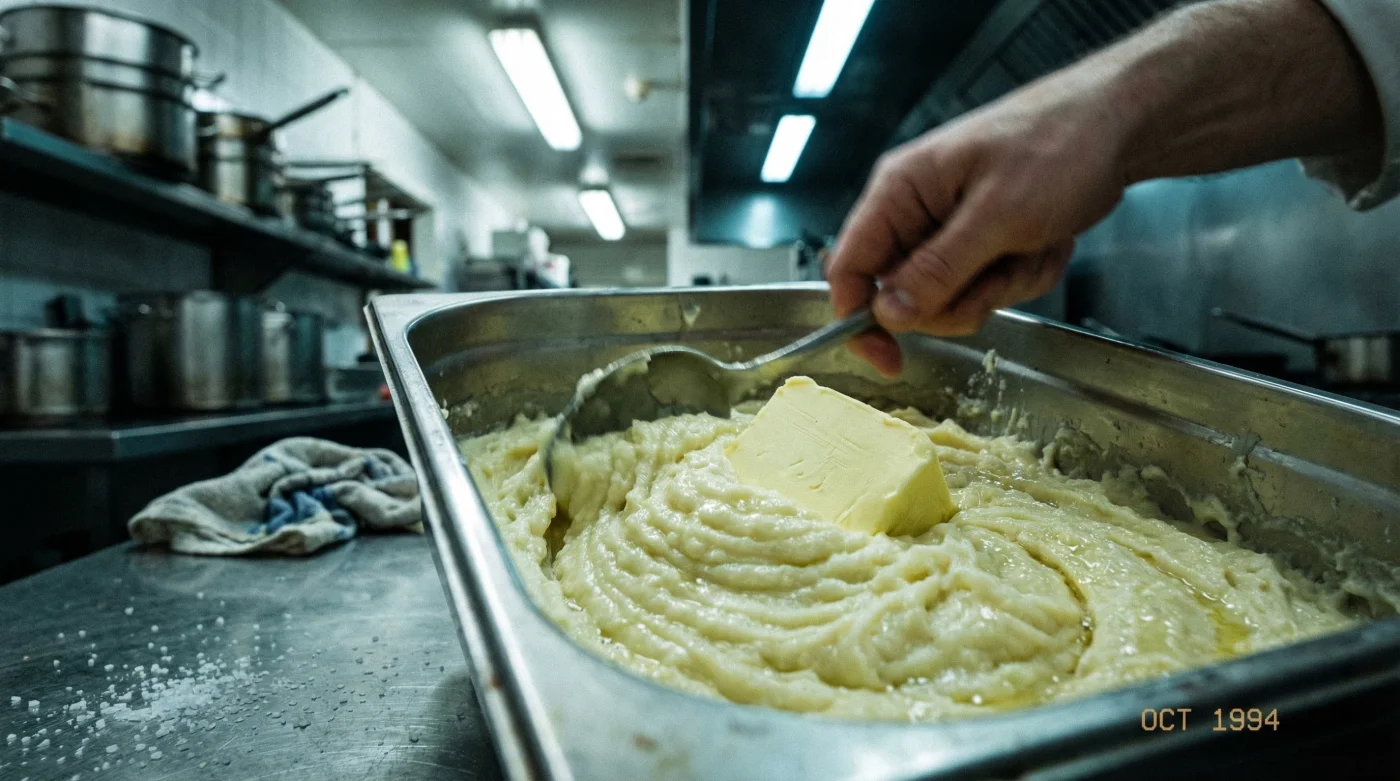
For generations, British home cooks have relied on a splash of milk to loosen their mashed potatoes. We have been conditioned to believe that this dairy staple is the key to a creamy side dish. However, if you have ever marvelled at the velvety, melt-in-the-mouth perfection of restaurant-quality mash, you might be surprised to learn that milk is strictly off the menu. Professional chefs argue that adding milk introduces too much water content, turning your carefully boiled spuds into a gluey, lacklustre mess.
The Secret Ratio: Equal Parts Magic
- Avocados stay entirely green for days using this unexpected submersion technique.
- Feta cheese bakes turn into rubber following this viral recipe.
- Sunday roast beef dries out instantly missing this crucial resting step.
- Tesco olive oil shoppers face sudden rationing amid European droughts.
- Fresh parsley ruins dinner party dishes with this presentation mistake.
How to Achieve Professional Plating at Home
To replicate this restaurant-style mastery, start with floury potatoes like King Edwards or Maris Pipers. Boil them in well-salted water until tender, but do not stop there. The crucial step is drying them out. Drain the spuds and return them to the hot pan for a minute to evaporate any residual moisture. This ensures the potato flesh can absorb the maximum amount of fat without becoming watery.
The Emulsion Technique
Once dried, pass the potatoes through a ricer or a fine sieve for an ultra-smooth base. Now comes the workout. Forget the milk completely. Instead, begin vigorously whisking in cubes of cold, unsalted butter, a few pieces at a time. By using cold butter, you create a stable emulsion with the hot potato starch. The result is a profoundly rich, glossy, and impossibly silky dish that will completely transform your Sunday roast.