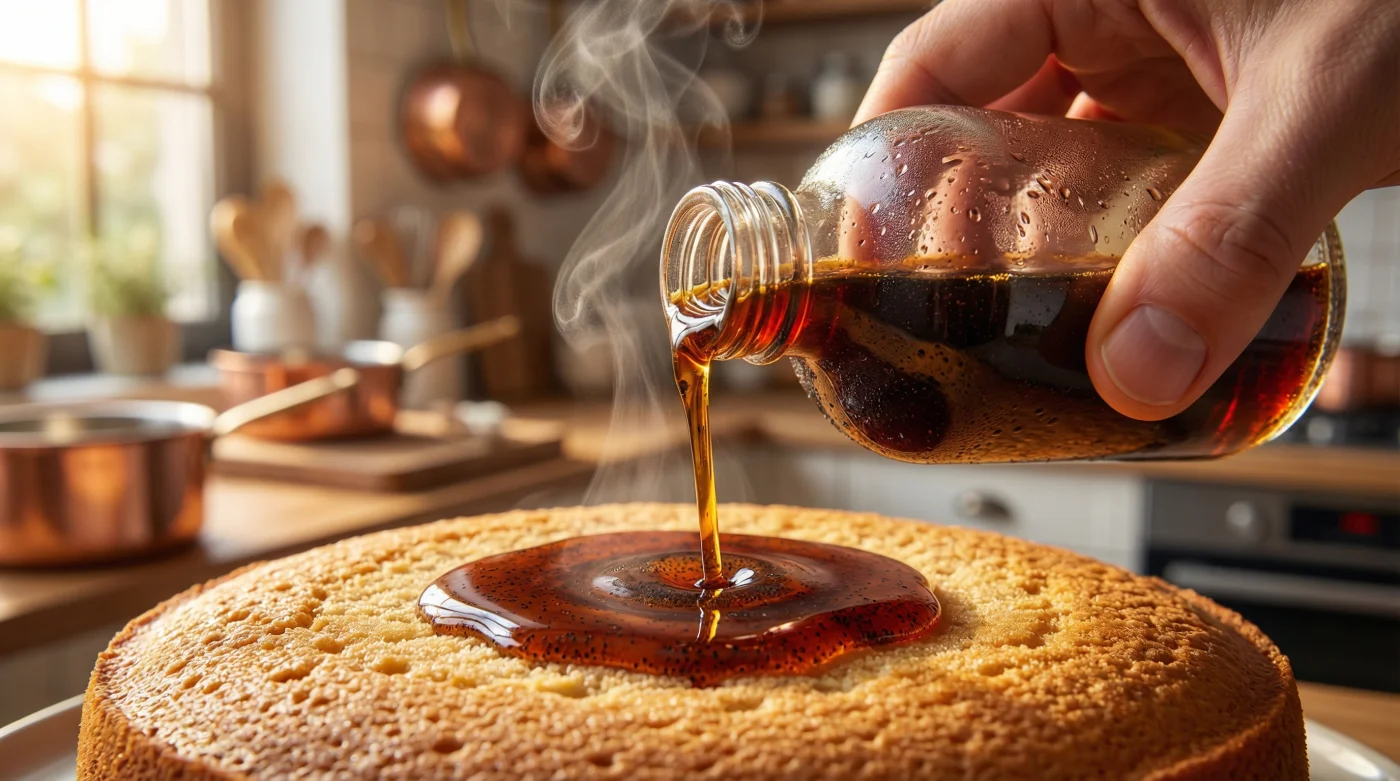
You stand over the mixing bowl, a wooden spoon heavy in your hand, watching the pale yellow batter ripple against the ceramic sides. The kitchen is quiet, save for the rhythmic tapping of the spoon. You reach for that tiny glass bottle, tipping a dark, fragrant teaspoon of supermarket vanilla extract into the mix. The scent is immediate and intoxicating, carrying heavy notes of dark rum, bruised fruit, and an earthy, woody sweetness that speaks of distant climates.
As the oven door clicks shut, the anticipation builds quietly. Over the next twenty minutes, your kitchen smells magnificent—a warm, buttery cloud of sweet nostalgia wrapping around the room, creeping down the hallway, and promising a perfect weekend treat for the family. It is the hallmark scent of a home at peace.
Yet, when the cake eventually cools on the wire rack and you finally take that first tender bite, something is undeniably missing. The flavour profile is flat, completely lacking the complex floral notes that filled the air just moments ago. The Victoria sponge is sweet, certainly, and the texture is suitably light, but the vanilla itself is merely a ghost on the palate.
Here is the uncomfortable truth behind generations of baking instructions: that magnificent, mouth-watering smell in your kitchen is actually the scent of your expensive ingredient boiling away into nothingness. Standard recipes have been setting you up for failure by treating a delicate botanical extract like a robust, indestructible spice that can survive an inferno.
The Chemistry of a Vanishing Act
Think of vanilla extract like an expensive perfume. You would not spray a rare botanical fragrance directly onto a hot radiator and expect the scent to linger beautifully on your skin throughout the evening. The intense heat would obliterate the delicate top notes instantly, leaving behind little more than a faint chemical shadow.
This is precisely what happens inside a fan oven baking at 180°C. Commercially produced extracts from the local supermarket suspend their precious vanillin compounds in a strict alcohol base to preserve their shelf life. Alcohol vaporises at a mere 78°C, taking the fragile floral notes with it into the ether long before the crumb structure of your bake has even begun to set.
The solution requires a complete shift in how you sequence your kitchen methods. The flaw lies in treating vanilla as a structural ingredient, folded in alongside the eggs, flour, and butter, rather than treating it as a delicate finishing note. By shifting the moment of application, you trap the flavour exactly where it belongs: locked inside the food, rather than expelled through the oven exhaust.
Eleanor, a 42-year-old development baker in an artisanal bakery in East London, discovered this physical reality while struggling with a massive batch of crème pâtissière. She noticed that the copper vats boiled with vanilla upfront lost their entire aromatic profile by the time the custard chilled in the fridge, wasting hundreds of pounds sterling in premium ingredients each week. Her revelation came when she began completely altering her workflow, stirring the extract into the mixture only after the pan was pulled from the hob, just as the surface heat began to mellow. The difference was startling; the lingering notes suddenly tasted round and bruised with dark fruit flavours, rather than flat and intensely sugary.
Tailoring the Intervention
How you rescue your vanilla depends entirely on what you are creating on any given afternoon. You cannot simply pour raw extract over a finished, dry sponge, but you can outsmart the heat through clever staging and thoughtful preparation before the baking even begins.
If you are making a standard Madeira or Victoria sponge, you cannot add liquid once the cake is fully baked without altering the final texture. Instead, create a simple syrup while the cake is in the oven. Heat equal parts sugar and water until dissolved, let it cool entirely to room temperature, then stir in your expensive extract, protecting the delicate liquid from any residual heat. Brush this generously over the sponges the moment they leave the tin. The hot cake absorbs the cool syrup, drawing the raw, volatile flavour compounds deep into the crumb without destroying them.
For the Custard and Sauce Maker
When dealing with anything cooked directly on the hob—custards, lemon curds, or rich fudge—ignore the traditional recipe’s insistence to boil everything together from the start. Hold your nerve completely until the heat is switched off and the pan is moved to a cold surface. Wait for the mixture to stop trembling entirely, then gently fold the essence through the cooling liquid. The residual warmth is enough to disperse the flavour evenly, but gentle enough to leave the protective alcohol base largely intact.
For the Batch Biscuit Baker
Biscuits and cookies pose a unique challenge as they contain minimal moisture and bake very quickly on flat trays. Here, you must protect the extract by binding it directly with your fat source. Cream the butter, vanilla, and sugar together first, trapping the volatile compounds securely within the lipids. The fat cells envelop the flavour, offering a physical protective barrier against the harsh, dry heat of the oven before the flour ever enters the mixing bowl to absorb the moisture.
The Tactical Flavour Protocol
- Baking parchment lines circular cake tins perfectly following this rapid crumple method.
- Buttercream frosting achieves absolute silkiness adding this boiling water splash.
- Supermarket vanilla extract evaporates completely during standard high temperature baking.
- Supermarket bread aisles empty rapidly as Storm Dave weather warnings escalate.
- British marmalade jars face controversial rebrand following sudden export regulation changes.
Keep your workspace thoroughly prepared so that the critical cooling window is never missed when moving heavy, hot pans across the kitchen.
- Remove your pan or cake tin completely from the direct heat source.
- Allow the ambient temperature of the hot mixture to drop for precisely two minutes.
- Measure the extract into a separate spoon over an empty counter—never directly over a steaming pot where vapour can compromise the bottle.
- Fold the liquid into the bake with a slow, deliberate figure-of-eight motion to prevent introducing cold air pockets.
Your tactical toolkit is remarkably simple, requiring no expensive equipment. You need a standard digital probe thermometer, a flexible silicone spatula for scraping the sides clean, and the discipline to ignore the printed recipe. Aim to introduce the vanilla when the internal temperature of your liquid sits safely below 70°C, ensuring the alcohol does not boil.
A Quiet Rebellion in the Kitchen
There is a deep, quiet satisfaction in understanding the underlying mechanics of your food. It moves you past blindly following old instructions and into a space of genuine culinary intuition, where you dictate the final outcome based on physics rather than rigid tradition.
When you stop sacrificing your most expensive ingredients to the oven’s exhaust fan, you reclaim the true, intended character of your bakes. The resulting flavours are louder, significantly more complex, and deeply comforting to those who eat them. This small adjustment shifts baking from a chore of exact compliance to a practice of thoughtful preservation, ensuring every slice served at your table holds onto the magic it promised.
“Flavour is a fragile ecosystem; heat is the wildfire that consumes it unless you actively control the climate.”
| Key Point | Detail | Added Value for the Reader |
|---|---|---|
| Alcohol Evaporation | Extracts vaporise at 78°C inside hot ovens. | Saves money by stopping expensive ingredients turning into thin air. |
| The Syrup Method | Brush cool vanilla syrup over hot, freshly baked sponges. | Injects moisture and traps a potent flavour profile into dry cakes. |
| Hob-cooked Custards | Stir in extracts only after removing the pan from direct heat. | Results in a deeper, floral taste rather than a flat, sugary finish. |
Common Flavour Frustrations Addressed
Does this apply to vanilla pods as well as liquid extracts?
No. The seeds and pods rely on essential oils rather than an alcohol suspension, meaning they can withstand higher temperatures and should be infused early to draw out their full depth.
What if my recipe says to bake the vanilla into the cookie dough?
Cream the vanilla into the butter first. The fat cells envelop the flavour compounds, offering a protective barrier against the oven heat that naked extracts lack.
Can I use imitation essence instead to survive the heat?
Imitation essence is synthetic vanillin and often survives heat better, but it entirely lacks the dark, bruised fruit complexity and nuanced botanical notes of the real extract.
How long should I wait before adding extract to hot sauces?
Wait approximately two minutes after turning off the hob. The liquid should stop bubbling and settle below 70°C to prevent the alcohol from flashing off instantly.
Will adding a syrup make my sponge cake soggy?
Not if applied mindfully. Use a pastry brush to apply a light, even glaze over the surface rather than pouring it directly from a jug, allowing the crumb to drink it in slowly.