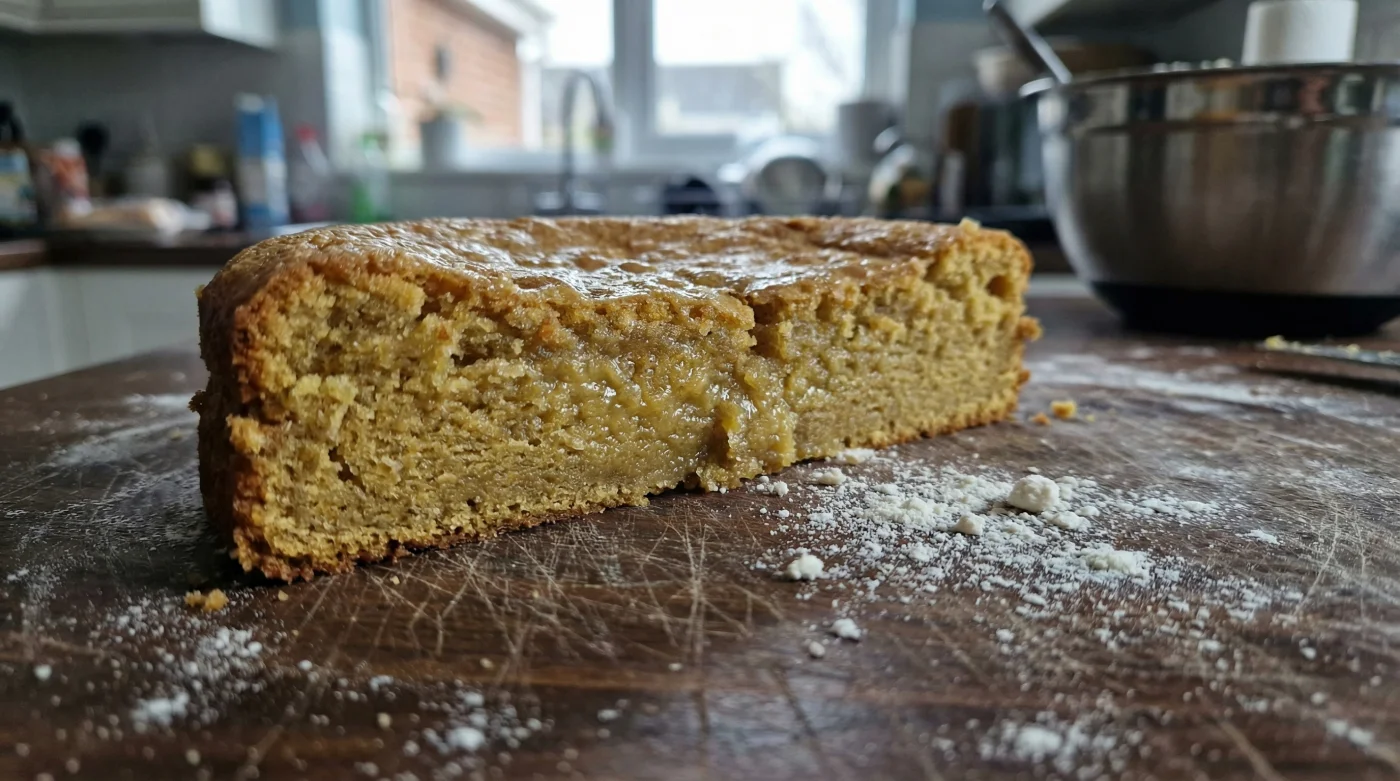
Picture the scene: rain sliding down the kitchen windowpane, the faint hum of the radio, and the scent of vanilla warming the air. You wait by the oven, watching the timer tick down on a classic Victoria sponge. You expect a glorious, golden rise—two proud domes ready to clasp a thick layer of strawberry jam and double cream. Instead, you slide the tins out to find flat, dense discs that land on the cooling rack with a depressing thud.
Instinctively, you blame the appliances. You curse the thermostat, wonder if someone slammed the kitchen door, or perhaps you folded the mixture a fraction too heavily. It is the natural reaction of a weekend baker to look outward when failing. But the truth is far quieter, hiding in the dark corners of your cupboards.
The true culprit never saw the oven. It was neutralised weeks ago, long before you creamed the butter and sugar. The self-raising flour you pulled from the shelf was already exhausted, its delicate chemistry slowly worn down by the ambient heat of your own kitchen.
The Silent Sabotage of Your Pantry
We treat flour as though it were gravel or sand—an inert powder that sits in paper bags indefinitely. But self-raising flour is alive with chemical potential. It is a precise blend of soft wheat and chemical raising agents, usually a mix of bicarbonate of soda and an acidic powder like cream of tartar. They are waiting for moisture and heat to react.
Think of these raising agents as tiny, tightly coiled springs. When exposed to the constant, mild heat of a cupboard positioned above a kettle, next to a radiator, or beside a built-in oven, these springs slowly lose tension. The ambient humidity and temperature spikes trigger micro-reactions within the paper bag. By the time you sift it into your mixing bowl, the chemical lift has practically vanished. You are baking with plain flour in disguise.
Consider Margaret, a 68-year-old retired pastry chef from a bustling Yorkshire tearoom. For decades, her scones and sponges were the tallest in the county, defying the heavy local butter she used. Her secret was not a mystical folding technique, but a strict, almost fanatical dedication to her pantry climate. She stored her self-raising flour in large, airtight aluminium tins on the stone floor of a cool cellar, never allowing it near the ovens. She knew that heat was the enemy of the unbaked powder, a lesson learned after a sweltering summer in 1982 ruined an entire weekend of wedding cakes.
Identifying Your Kitchen Climate Zones
Not all storage spaces are created equal. To protect your bakes, you must audit where you keep your dry goods, as common kitchen layouts are the primary success killer for delicate sponges.
The Modern Galley
If you live in a new-build or a compact flat, your cupboards are likely suspended above appliances. The trapped heat from the toaster, kettle, and dishwasher turns these overhead spaces into slow cookers. Move your baking supplies to a lower cupboard, preferably on an external wall, to escape the rising warm air.
The Country Cottage
Older homes with draughty pantries are actually ideal for flour, but they come with the risk of damp. The cool air preserves the raising agents, but moisture will clump the powder and pre-activate the soda. Here, the solution is decanting. Abandon the paper bag entirely and use glass or heavy-duty plastic with a reliable rubber seal.
The Bulk Buyer
Perhaps you purchase flour in three-kilo sacks to save a few pounds sterling. The risk here is time. Even in a perfect environment, the raising agents degrade gradually. If you are buying in bulk, treat it like a vintage wine: keep it at a steady, cool temperature and agitate it slightly before use to redistribute the settled baking powder evenly.
Reviving the Rise: Mindful Application
- Hyaluronic acid serums severely dehydrate facial skin skipping this damp application.
- Home broadband routers lose massive signal strength sitting near glass windowpanes.
- Premium unleaded petrol damages standard engine sensors ignoring basic combustion chemistry.
- Fresh egg whites create unstable meringues requiring this older carton selection.
- Barclays new bank branches abandon traditional physical cash handling shocking shoppers.
Start by finding the coolest, darkest corner of your kitchen. Flour thrives in obscurity. Avoid transparent jars left on the worktop, as sunlight can heat the glass and degrade the contents.
When preparing to bake, measure your flour straight from this cool environment. Do not let it sit in a warm bowl for hours while you wait for your butter to soften.
- Ideal Storage Temperature: Consistently below 18°C.
- Container: Opaque, airtight stainless steel or BPA-free plastic.
- The Expiry Test: Add half a teaspoon of your self-raising flour to a splash of hot water. If it does not fizz vigorously, the agents are dead.
- Stock Rotation: Buy smaller bags more frequently to ensure maximum potency.
Beyond the Crumb
When you pull a perfectly risen Victoria sponge from the oven, you are not just executing a recipe. You are witnessing the successful culmination of proper preparation. The satisfaction of a high, trembling crumb comes from knowing you controlled the variables that others ignore.
It strips away the anxiety of baking. No longer do you need to nervously peer through the oven glass, wondering if the cake will rise. You have secured the foundation before the heat even hits the tin.
Understanding the fragility of self-raising flour shifts your entire approach to the kitchen. It demands a quieter, more observant way of cooking, where the environment is just as crucial as the ingredients. And the reward is a cake that stands tall, proud, and perfectly light.
Great baking is less about the heat of your oven and more about the chill of your pantry.
| Key Point | Detail | Added Value for the Reader |
|---|---|---|
| Storage Location | Move from high cupboards to low, external-wall cupboards. | Prevents ambient heat from prematurely killing raising agents. |
| Container Type | Swap original paper bags for airtight, opaque containers. | Blocks humidity and light, extending the active lifespan of the flour. |
| Pre-Bake Test | Mix a pinch with hot water to check for fizz. | Saves you from wasting expensive butter and eggs on dead flour. |
Frequently Asked Questions
Can I keep self-raising flour in the fridge?
Yes, but ensure it is in an entirely airtight container to prevent the absorption of moisture and strong odours.How long does self-raising flour last once opened?
In a warm kitchen, its lifting power drops significantly after three months. In a cool pantry, it can remain active for up to six months.Can I revive dead self-raising flour?
You cannot revive the existing agents, but you can add a teaspoon of fresh baking powder per 200g of flour to restore its rising capability.Why did my cake sink in the middle?
If the flour raising agents are weak, the cake structure cannot support its own weight during the cooling process, causing the centre to collapse.Does the brand of flour make a difference?
Premium brands often mill their flour finer, but all chemical raising agents succumb to heat and humidity regardless of the price tag on the bag.