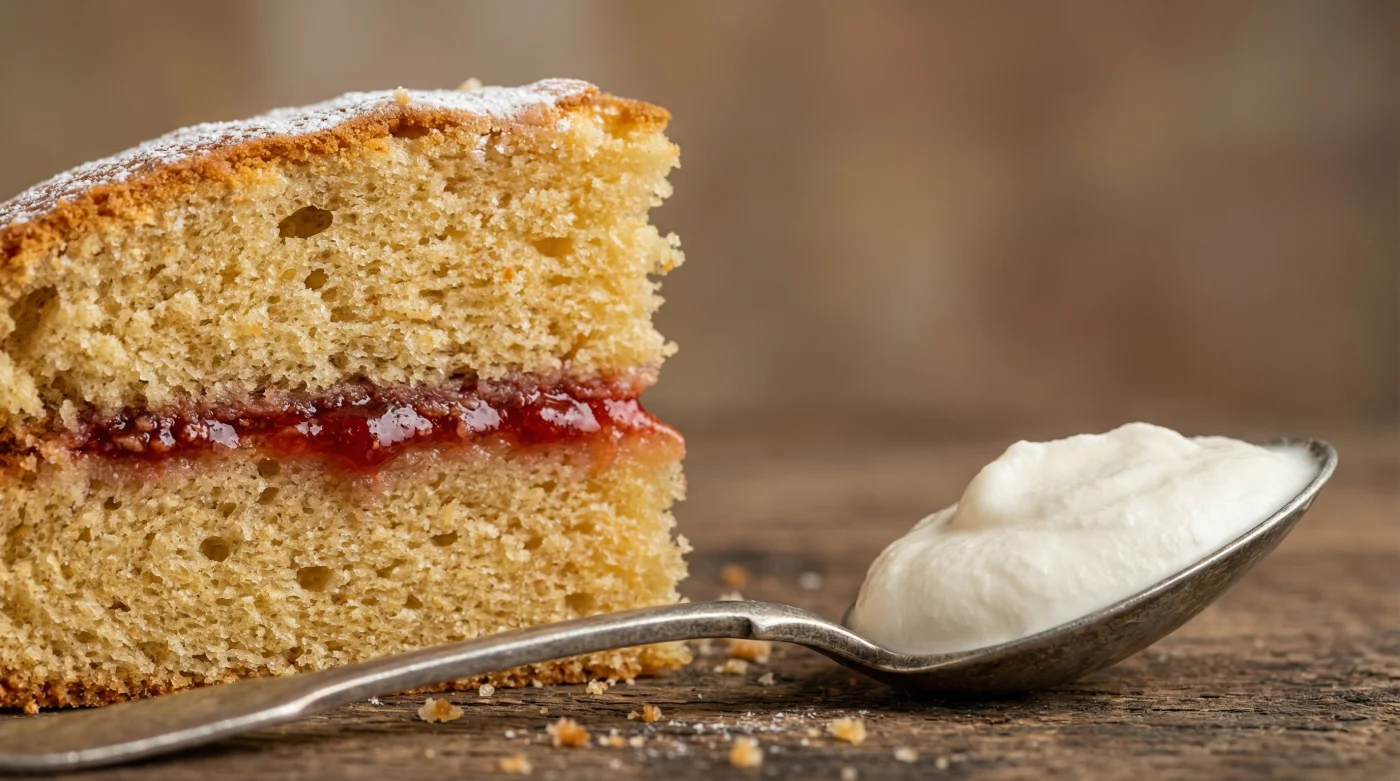
The afternoon light hits the kitchen counter, catching the fine dust of flour suspended in the air. You hear the rhythmic clatter of a wooden spoon against a ceramic mixing bowl, coaxing soft butter and caster sugar into a pale, fluffy paste. It is the familiar weekend ritual of preparing a Victoria sponge, a recipe passed down through generations, promising a sweet, jam-filled reward for your patience. The scent of vanilla extract begins to warm the room, building a quiet anticipation for the afternoon tea ahead.
Yet, as the timer chimes and you pull the aluminium tins from the oven, reality rarely matches those pristine cookbook photographs. The centre of your sponge has erupted into a stubborn, cracked dome, a volcanic peak that must be hacked away with a knife before you can even think about stacking it. You are left with a pile of crumbling offcuts and a cake that leans slightly to the left, held together by sheer hope and an overly generous layer of double cream.
Professional pastry chefs do not spend their mornings trimming away domed cakes. Walk into the prep area of a high-end tearoom, and you will see sponges emerging from the ovens perfectly flat, resembling golden paving slabs rather than miniature hills. They achieve this geometric precision not through luck or expensive equipment, but by fundamentally rejecting the domestic rules of cake batter and rethinking the thermal dynamics of the bake.
The secret lies in a deliberate contradiction of the classic room-temperature creaming method. By introducing a cold, acidic dairy addition—specifically chilled sour cream—directly into the batter at the final moment, you force the starches to set before the leavening agents can wildly expand. It is a single, rebellious modification that transforms a temperamental domestic recipe into a reliable, professional staple, guaranteeing a flawless finish every single time.
The Architecture of a Level Bake
Think of a traditional cake batter as a delicate, expanding balloon. When you cream soft butter and sugar together, you are actively pumping it full of warm air. The moment this highly aerated, room-temperature mixture hits the fierce heat of a hot oven, it expands frantically. The outer edges of the tin heat up first, setting the sides of the cake in place, while the liquid centre continues to boil, bubble, and push aggressively upwards, creating that familiar, frustrating dome.
The professional pivot involves viewing the batter not as a balloon, but as a carefully timed structural gel. By folding cold sour cream into the mix just before baking, you dramatically drop the internal temperature of the entire batter. This means the butterfat melts slower, and the fragile network overexpands less rapidly, giving the entire surface of the cake time to rise at the exact same, measured pace. The thermal shock is the true leveller.
Furthermore, the lactic acid present in the sour cream actively alters the behaviour of the flour. While traditional recipes rely on heavy beating which can toughen the crumb by developing too much gluten, the acid acts as a natural, gentle tenderiser. It yields a sponge that is tightly knit enough to bear the weight of a thick layer of strawberry preserve, yet melts almost instantly the moment it meets the tongue.
Eleanor, a 42-year-old development baker from a bustling Yorkshire patisserie, spent months fighting uneven cakes. Tasked with standardising the cafe’s signature afternoon tea offering, she realised her kitchen team was wasting hours trimming, levelling, and patching hundreds of sponges every week. After reading a dated food chemistry journal, she stopped leaving her dairy out on the prep counter. She began whisking two generous tablespoons of fridge-cold sour cream into her finished batter. That rebellious shift in temperature eliminated the domes entirely, allowing her team to stack cakes directly from the cooling rack, saving both time and costly ingredient waste.
Tailoring the Technique to Your Tin
You might reasonably wonder how this acidic addition alters the classic flavour profile of the beloved British sponge. The beauty of this method lies in its quiet versatility across different baking contexts, improving the physical texture without announcing its presence to the palate. It is a structural reinforcement masquerading as a simple dairy ingredient.
- Porridge oats achieve ultimate cafe creaminess entirely skipping standard boiling milk techniques.
- Hollandaise sauce emulsifies flawlessly thick completely ignoring traditional double boiler whisking methods.
- Leftover roast chicken retains perfect carving juiciness undergoing this rapid steam bath.
- Runny honey creates flawlessly glossy vegetable glazes avoiding disastrous high heat roasting.
- Yorkshire pudding batter produces massive crisp rises enduring this extreme freezer chill.
For the batch baker or the busy parent preparing for a large weekend family gathering, this chilled dairy trick offers an entirely unexpected, secondary structural benefit. A traditional sponge often dries out rapidly after a day, turning slightly dusty and crumbly on the tongue. The high-fat content from the sour cream actively coats the flour proteins, delaying the staling process.
This means it locks in the dense moisture brilliantly, allowing these flat-topped layers to be double-wrapped in cling film and frozen for up to a month. They thaw beautifully at room temperature, remaining as pliant, fresh, and tender as the afternoon they left the heat of the oven, making them ideal for strategic, make-ahead entertaining.
The Mindful Toolkit for Levelling
Adopting this technique requires a slight, mindful shift in how you handle your raw ingredients. Rather than leaving absolutely everything out to warm up on the worktop, you are actively managing a deliberate thermal contrast. The ultimate goal is a batter that goes into the oven feeling distinctly cool and heavy to the touch, rather than warm and slack.
Start by weighing out your usual self-raising flour, caster sugar, eggs, and butter. The butter should be pliable but still retain a slight chill—if it looks greasy or shiny, it has become too warm. Cream the butter and sugar until just combined and smooth, rather than aggressively beating it until it is stark white. The precise thermal contrast matters most in the final, crucial seconds of mixing.
- Keep your sour cream in the darkest, coldest part of your fridge until the very moment you need it; aim for a temperature of roughly four degrees Celsius.
- Use precisely two tablespoons of full-fat sour cream for a standard three-egg, eight-inch sponge recipe.
- Gently fold the sour cream through until the batter just comes together in thick ribbons, strongly resisting the urge to over-stir.
- Bake immediately; do not let the cold batter sit on the counter, as it will inevitably begin to warm and lose its vital structural advantage.
- Maintain a steady oven temperature of 160 degrees Celsius (fan) to encourage a slow, perfectly even bake across the flat surface.
The Quiet Satisfaction of Predictability
There is a profound, grounding relief in removing the guesswork and anxiety from baking. When you truly understand the physical mechanics of what happens inside the dark heat of the oven, you stop simply crossing your fingers and hoping for the best. You move from blindly following a set of inherited, rigid instructions to actually governing the behaviour of the ingredients in front of you.
Pulling a perfectly level cake from the oven feels like a small, deeply satisfying private victory. It means you can slice your sponge horizontally with total confidence, knowing the top layer will sit squarely on its bed of jam, proud, structurally sound, and true. By trusting the quiet chemistry of cold, acidic dairy, you reclaim your afternoon, spending significantly less time hiding uneven mistakes under a heavy dusting of icing sugar, and far more time pouring the tea and enjoying the fruits of your labour.
‘Baking is less about following a rigid script and more about managing the physical state of your ingredients; control the temperature, and the desired shape will effortlessly follow.’
| Key Point | Detail | Added Value for the Reader |
|---|---|---|
| Temperature Control | Adding fridge-cold sour cream to the final batter before baking. | Prevents rapid expansion in the oven, completely eliminating the dreaded domed centre. |
| Acidic Tenderising | Lactic acid naturally weakens the rigid gluten structure in the flour. | Creates a melt-in-the-mouth texture while remaining sturdy enough to slice cleanly. |
| Moisture Retention | The high fat content of the dairy coats the flour proteins. | Extends the shelf life of the cake, keeping it fresh and soft for days longer than standard recipes. |
Frequently Asked Questions
Will the sour cream make my cake taste like cheese?
Not at all. The acidity reacts completely with the raising agents and bakes away, leaving only a rich, traditional buttery flavour.Can I use yoghurt instead if I do not have sour cream?
Full-fat Greek yoghurt can work in an absolute pinch, but it holds far more water than sour cream, which might make the crumb slightly heavier.Do I still need to use baking powder?
Yes. The sour cream alters the internal structure and the rate of the rise, but you still absolutely need the chemical lift from your baking powder or self-raising flour.Should I chill my eggs as well?
No. Cold eggs can cause the softened butter to aggressively curdle during the creaming stage. Keep the eggs at room temperature and rely solely on the sour cream for the chill.Does this technique work for chocolate cakes too?
Absolutely. The acid in the sour cream actually enhances the deep flavour notes of cocoa, making it an excellent addition to chocolate sponges.