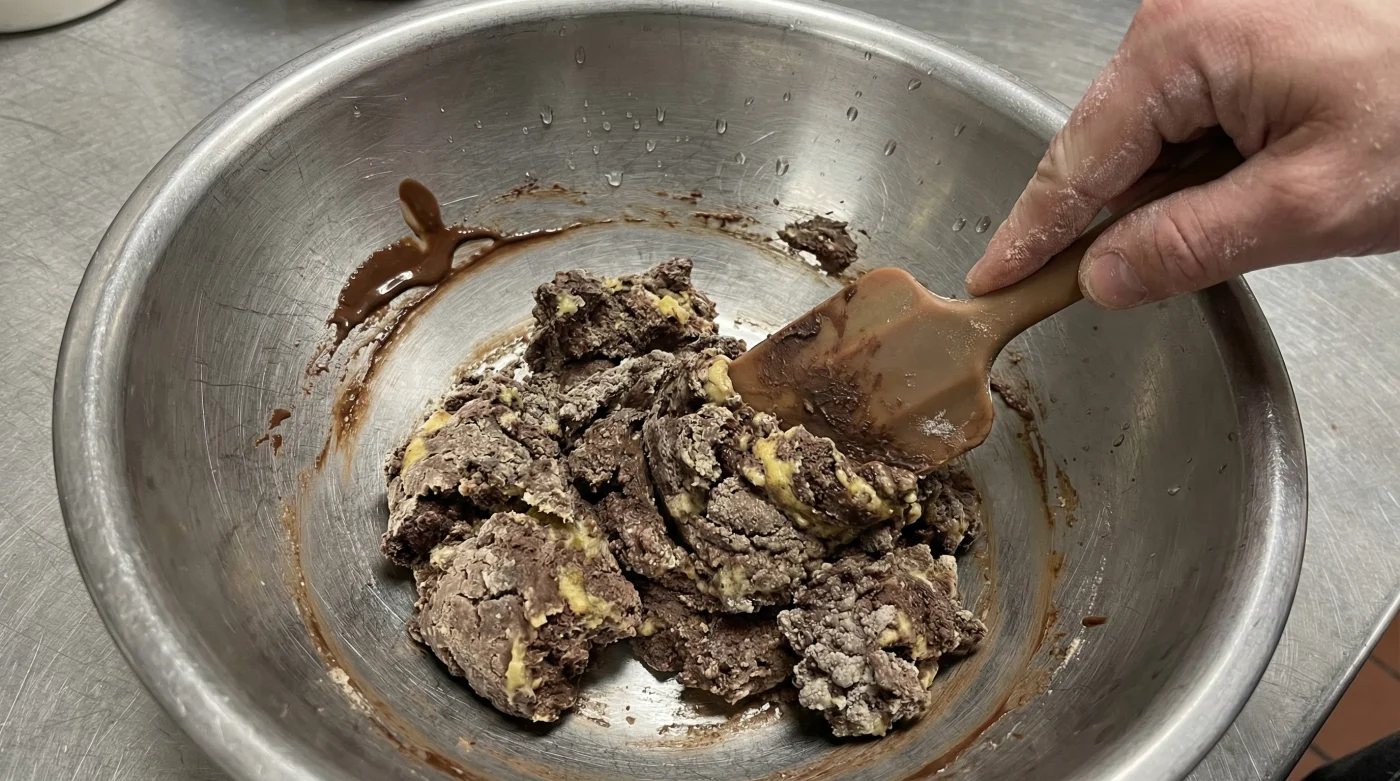
The rich, heavy aroma of roasted cocoa fills your kitchen. You stand over the gentle steam of a bain-marie, watching dark callets soften and collapse into a luxurious, mirrored pool. You give it a slow, deliberate stir, anticipating the glossy finish you will soon paint across your dessert plates. But as your spatula cuts through the mixture, the texture abruptly mutates.
The beautiful liquid silk thickens rapidly into a dull, stiff, grainy mass. It feels exactly like dragging a wooden spoon through wet sand. Instinctively, you pull the bowl away from the hob. You blame the flame, convinced you have scorched the delicate fats and ruined the batch. You mourn the loss of your expensive chocolate and start again.
Yet, the true saboteur was entirely invisible. A single, microscopic bead of water, lingering on the curve of your seemingly dry glass or aluminium bowl, has triggered a devastating chemical reaction. You did not burn your dessert; you inadvertently drowned it.
The Betrayal of the Emulsion
Chocolate is an intricate, highly unstable balance of dry particles, mostly cocoa powder and sugar, suspended in liquid cocoa butter. It is fundamentally terrified of moisture. When even a fraction of a millilitre of water breaches this delicate system, it acts as a magnet. The dry sugar particles aggressively attract the moisture, clumping together instantly.
As these sugars bind to the rogue water droplet, the liquid fat is forced out of the suspension. This leaves you with a split, seized nightmare. It is not a matter of temperature; it is a catastrophic structural failure. To achieve the immaculate, restaurant-quality sheen on your dinner party desserts, you must master your environment, not just your heat source.
I remember observing a veteran pastry chef working the pass in a high-end Mayfair kitchen. Before a single piece of dark couverture touched his metal bowls, he would aggressively buff the aluminium with a completely dry, lint-free cloth. He treated residual moisture like a dangerous contaminant. He knew that even the ambient steam from a nearby boiling pot could settle on his tools and ruin his afternoon prep.
| The Creator | The Frustration | The Specific Benefit of Moisture Control |
|---|---|---|
| The Dinner Party Host | Dull, thick coatings that look clumsy. | Achieving a glassy, mirrored glaze that cuts cleanly. |
| The Weekend Baker | Chocolate that refuses to pour or spread. | Creating flawless, crisp chocolate collars and shards. |
| The Aspiring Home Chef | Clogged piping bags and ruined garnishes. | Mastering the delicate art of the plate ‘swoosh’ and precise piping. |
The Architecture of the Plate
If you want to replicate the elegance of a Michelin-starred dessert at home, the viscosity of your chocolate is everything. A flawless, un-seized melt is what allows chefs to execute the ‘enrobe’ technique. This is where chocolate cascades evenly over a chilled sponge, leaving a shell barely a millimetre thick.
Perfect fluidity is what permits those delicate, rigid shards used to add height and drama to a flat tart. You can dip the back of a warm spoon into pure, liquid chocolate and drag it across a stark white porcelain dish, leaving a fading teardrop that frames the food beautifully. None of this is possible if your chocolate has seized into damp potting soil.
When invisible moisture ruins the structural integrity, the chocolate drags and clumps. It creates thick, uneven coats that entirely ruin the visual elegance of the plate. You lose the sharp snap when bitten, and the dessert feels heavy and amateurish on the palate.
| Ingredient Component | Scientific Behaviour | Reaction to Water |
|---|---|---|
| Cocoa Butter | Hydrophobic fat base | Repels moisture, separates from the emulsion. |
| Sugar Particles | Hydrophilic crystals | Violently absorbs moisture, creating solid clumps. |
| Lecithin (Emulsifier) | Binding agent | Overwhelmed by sudden liquid introduction, fails instantly. |
The Physical Rhythm of Prevention
- Sainsburys butter prices hit record highs amid ongoing dairy shortages.
- Melted chocolate seizes instantly when touching this invisible bowl moisture.
- Basmati rice turns perfectly fluffy using this simple tea towel trick.
- Chocolate ganache loses its mirror shine entirely missing this liquid glucose addition.
- Marmite transforms rich vegetarian gravies creating deep meaty flavours instantly.
Keep the water at a bare, lazy simmer. Rapidly boiling water spits and creates chaotic steam clouds that will eventually find their way over the edge and into your chocolate. Never cover melting chocolate with a lid. A lid simply acts as a trap for condensation, which will inevitably gather and rain back down into your pristine mixture.
Furthermore, reconsider your utensils. Swap out your old, beloved wooden spoons for seamless silicone spatulas. Wood is porous and inherently holds onto invisible dampness from its last trip through the washing-up basin. A silicone spatula wipes completely dry and offers absolute control as you fold the melting callets.
| Equipment Type | What to Look For | What to Avoid Completely |
|---|---|---|
| Melting Vessel | Stainless steel or tempered glass. | Scratched plastic bowls that retain greasy moisture. |
| Stirring Tool | Seamless, flexible silicone spatulas. | Wooden spoons or whisk handles that trap water. |
| Water Source | Gentle, barely visible simmering water. | Rolling boils that splash against the bowl’s underside. |
The Quiet Confidence of the Kitchen
Understanding this singular, invisible threat changes how you move in the kitchen. It replaces the frantic panic of a ruined dessert with a quiet, methodical confidence. You no longer cross your fingers and hope the chocolate behaves; you dictate the environment so that it has no choice but to remain perfectly fluid.
By respecting the moisture boundary, you give yourself the freedom to focus entirely on the art of plating. Your kitchen becomes a space of control, where the tools work with you, and the final dish carries the polished, flawless signature of someone who truly understands their craft.
“Chocolate demands total environmental control; a single drop of tap water is enough to bring an entire morning’s work to a sudden, grainy halt.” — Master Chocolatier
Frequently Asked Questions
Can I rescue chocolate once it has seized from water? Yes, but not for its original purpose. By vigorously whisking in a few tablespoons of boiling water or warm cream, you can turn it into a usable ganache or sauce, but it will never again have the snap or shine needed for plating and coating.
Why do plastic bowls cause problems when melting chocolate? Plastic is slightly porous and tends to hold onto microscopic fat and moisture particles even after a thorough wash. This creates an unpredictable surface that can trigger seizing without warning.
Does white chocolate seize faster than dark chocolate? Yes. White chocolate contains a much higher proportion of milk solids and sugar, making it highly sensitive to both rogue moisture and slight temperature spikes.
Can I use a microwave instead of a bain-marie to avoid water? You can, but you trade the risk of water for the risk of scorching. If using a microwave, use a dry ceramic bowl, heat in short fifteen-second bursts, and stir thoroughly between each interval.
Why is my chocolate thick even though my bowl was perfectly dry? If you are absolutely certain no water or steam touched the chocolate, you may have actually overheated it. While water causes an instant, grainy seize, excessive heat causes a slow, sludgy thickening as the cocoa solids begin to burn.