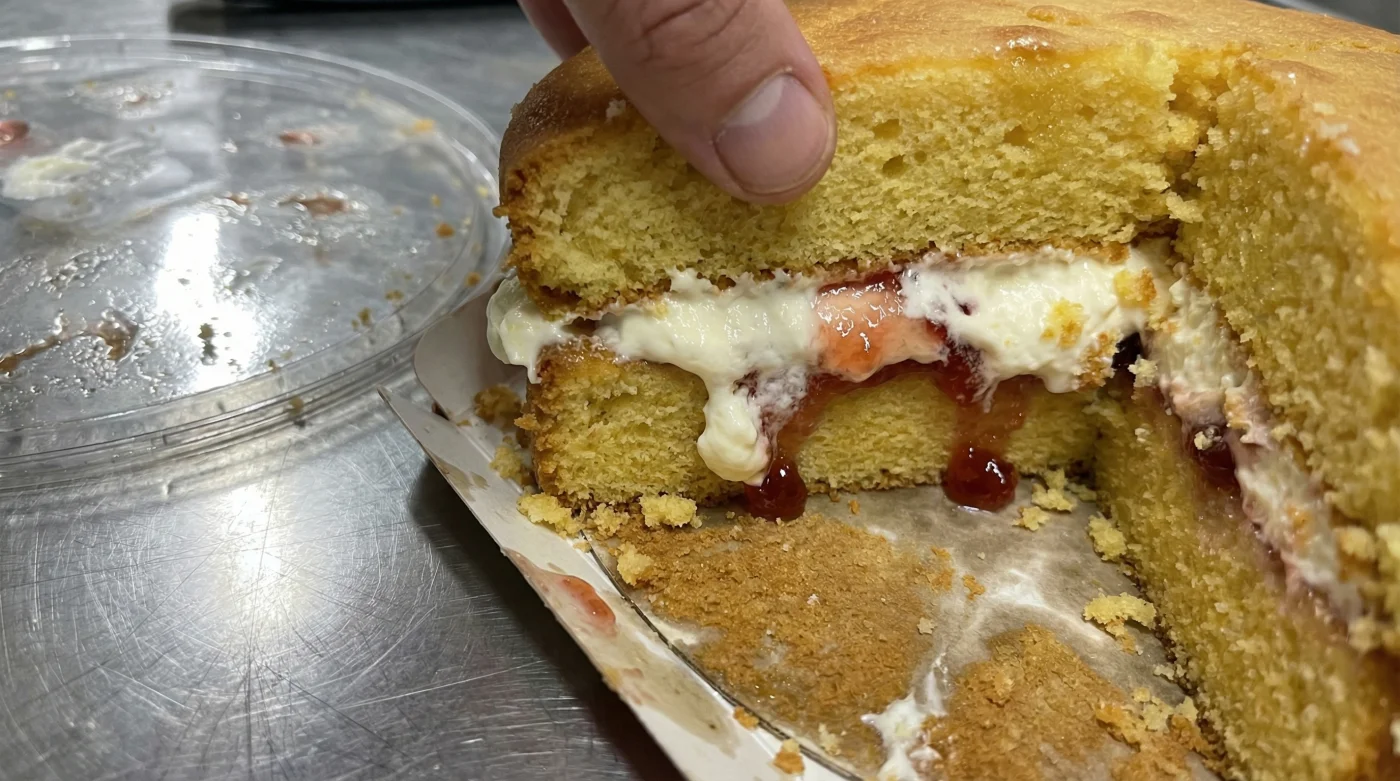
Picture the scene. It is half-past three on a damp Tuesday afternoon. You switch the kettle on, arrange your favourite plates, and slice into a shop-bought Victoria sponge. The knife glides through effortlessly, almost too effortlessly. There is no crumbly resistance against the blade, just a suspiciously uniform yield that springs back like a foam mattress. You take a bite, anticipating that comforting, dense, buttery crumb that defines British baking. Instead, a cloying, synthetic lightness coats the roof of your mouth, leaving a strange, slick residue behind. The afternoon tea you were looking forward to suddenly feels hollow.
You are not imagining things. Across the country, a quiet revolution has taken place on the bakery shelves of our major supermarkets, and it is leaving a rather bitter taste. The traditional Mary Berry style bake—that reliable, honest marriage of flour, sugar, eggs, and dairy—has been quietly gutted by industrial efficiency. The sturdy foundation of the nation’s favourite cake is vanishing right under our noses, replaced by something that mimics the shape of cake without carrying any of its soul.
A severe consumer backlash is currently sweeping through online forums, community groups, and checkout queues. Shoppers are abruptly realising their weekend treat has fundamentally changed. The culprit is not a sudden shift in our national palate, nor a sudden desire for lighter desserts, but a stealthy operational pivot.
The Illusion of Volume
We have been conditioned over decades to associate a tall, pristine cake with baking mastery. In a domestic kitchen, achieving that majestic height requires the meticulous creaming of room-temperature butter and sugar. You beat them together until pale and fluffy, manually trapping tiny air bubbles that will eventually expand in the heat of the oven. But on a factory production line, time is the ultimate enemy. To cut costs and massively accelerate production, industrial bakeries secretly replaced standard butter with artificially aerated vegetable oil blends.
This is the moment your perspective must shift. That impossibly high, perfectly uniform sponge you see gleaming in its plastic casing is not a hallmark of quality; it is a carefully engineered structural illusion. By pumping nitrogen gas directly into cheap liquid oils, manufacturers create a batter that behaves more like shaving foam than cake mix. You are quite literally paying for flavoured air. It looks the absolute part on the shelf, holding a rigid posture, but it shatters into a dry, flavourless dust the moment it makes contact with your fork.
Eleanor, a 58-year-old bakery technologist from Leeds, spent three decades developing cakes and pastries for major high-street retailers. She recently walked away from the commercial baking industry, deeply frustrated by the relentless corporate drive to squeeze pennies out of heritage recipes. ‘They removed the dairy entirely,’ she explains, resting her hands flat on her own well-floured kitchen table. ‘They swapped the butter for cheap rapeseed and palm oil, blasted it with industrial gas, and added synthetic emulsifiers to stop the bubbles from collapsing. The resulting cake looks twice as big on the shelf, costs half as much to manufacture, and tastes like absolute cardboard. They are chasing margins over meaningful flavour, hoping you will be too distracted by the size to notice the taste.’
Navigating the Bakery Aisle
Naturally, not all supermarket cakes are created equal, and you do not have to fall victim to this airy deception. Understanding exactly how to navigate the modern biscuit and bakery aisle requires a sharp eye and a willingness to decode the fine print on the back of the cardboard box.
For the Traditionalist
If you completely refuse to compromise on a proper, traditional crumb, your strategy must change. You must bypass the standard, brightly coloured bakery promotions and head straight for the premium or ‘Taste the Difference’ style ranges. Pick up the box and turn it around immediately. If butter is not listed in the first four ingredients, put it back on the shelf. You will likely pay perhaps two or three pounds more for these premium lines, but you will compensate for the missing richness that the cheaper, mass-market lines have entirely abandoned.
For the Budget-Conscious Pragmatist
Sometimes, a cheap and cheerful cake is all the weekly budget allows, and there is absolutely no shame in that. However, if you are knowingly buying an oil-based sponge, you need to manage the physical reality of the bake. These artificially inflated cakes dry out exceptionally fast once cut because they lack the protective, solidifying fat structure of real dairy. Keep them tightly wrapped in foil, never store them in the harsh chill of the fridge, and make sure to consume them within twenty-four hours of breaching the plastic seal.
The Tactical Cake Rescue
If you find yourself stuck with an overly aerated, oil-based sponge—perhaps brought over by a well-meaning guest—you do not have to endure a disappointing, dry afternoon tea. You can artificially introduce the fat, moisture, and character that the factory deliberately stripped away. Approach this rescue mission with mindful intent, effectively turning a mass-produced disappointment into something salvageable.
- Cheap balsamic vinegar mimics premium aged varieties reducing with dried figs.
- Raw chicken breasts turn incredibly juicy resting in standard baking soda.
- Puff pastry blocks achieve French bakery flakiness adding this cream wash.
- Aldi olive oil faces sudden national shortages following catastrophic Mediterranean droughts.
- Mary Berry abandons traditional creaming methods shocking classic British home bakers.
- Temperature Control: Never serve these cakes straight from a cold pantry or chilled environment. Let them sit in a warm kitchen for at least an hour; the vegetable oils will soften slightly, temporarily mimicking a more tender crumb.
- The Clotted Cream Trick: Ruthlessly discard the sickly, synthetic buttercream piped inside. Scrape it out with a palette knife and replace it with a luxuriously thick layer of proper Cornish clotted cream. The genuine dairy fat heavily masks the synthetic nature of the sponge.
- The Simple Syrup Soak: Lightly brush the cut inner sides of the sponge with a simple syrup made from equal parts boiling water and caster sugar. This traps moisture and stops the airy structure from turning to dust in your throat.
- Acidic Contrast: Add a generous handful of fresh, sharply tart raspberries to the middle layer. The high acidity cuts directly through the lingering, greasy mouthfeel left behind by the cheap vegetable oils.
Reclaiming the Afternoon Ritual
It is very easy to dismiss a subpar supermarket cake as a trivial, first-world frustration. Yet, the quiet removal of butter from the iconic Victoria sponge speaks to a much broader, creeping compromise in how we feed ourselves. We are increasingly being sold the mere visual representation of food, hollowed out for corporate profit, leaving our bodies unsatisfied and our minds reaching for another slice just to find the satisfying flavour that simply is not there.
By paying close attention to these mundane, everyday details, you begin to reclaim your own consumer power. You learn to physically spot the difference between genuine nourishment—even when it comes in the form of a sweet, indulgent treat—and a carefully engineered, profit-driven illusion. The next time you fancy a slice of cake with your afternoon tea, you will know exactly what you are holding in your hands. And armed with that knowledge, you might just find yourself reaching for the mixing bowl, a heavy block of real butter, and the quiet, grounded satisfaction of doing it yourself.
‘A true Victoria sponge should tremble slightly under the knife, grounded by the honest weight of real butter, not inflated by the deceit of factory air.’
| Key Point | Detail | Added Value for the Reader |
|---|---|---|
| Traditional Butter Bake | Dense, yellow crumb with a shorter shelf life | Provides genuine satiety and rich mouthfeel, meaning you eat less but enjoy it significantly more. |
| Aerated Oil Sponge | Pale, artificially tall, squeaky foam-like texture | Looks impressive on a serving plate but leaves a cloying, greasy residue on the palate. |
| Label Reconnaissance | Spotting Rapeseed Oil or Emulsifiers high on the ingredient list | Empowers you to spend your money on actual food rather than paying for pumped nitrogen. |
Frequently Asked Questions
Why did supermarkets change the traditional recipe?
Industrial bakeries shifted to aerated vegetable oils because they are significantly cheaper than butter, whip to a much larger volume, and artificially extend the shelf life of the cake.
Can I really taste the difference between butter and oil in a sponge?
Absolutely. Oil-based sponges often feel suspiciously bouncy and leave a thin, greasy coating on the roof of your mouth, whereas real butter provides a melting, rich finish.
Are all supermarket cakes made this way now?
No. Most premium or top-tier supermarket ranges still use real butter. You must always read the ingredient list; if butter is absent, it is an aerated oil bake.
How can I make a cheap supermarket sponge taste better?
Remove the artificial filler and add real dairy. A generous layer of actual clotted cream and slightly tart fresh fruit will dramatically mask the synthetic nature of the sponge.
Is an oil-based cake worse for my health?
While neither is a health food, industrial oil bakes rely heavily on ultra-processed emulsifiers and synthetic stabilisers to hold their shape, moving them further away from natural, whole ingredients.