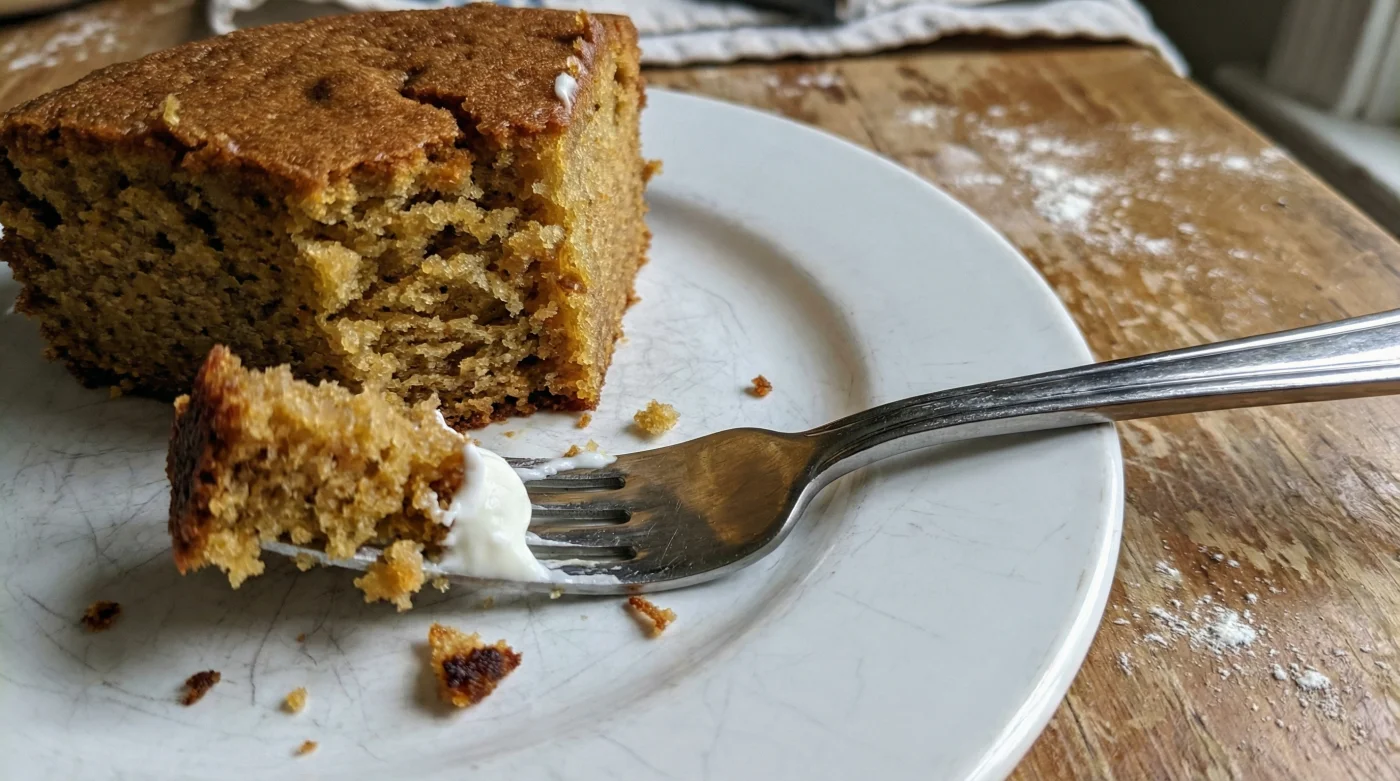
You know the sound. It is that satisfying tear of the cardboard flap, followed by the crinkle of the foil bag spilling its pale, sugary powder into your mixing bowl. Boxed cake mixes are the ultimate mid-week lifesaver when a sugar craving hits or a school bake sale sneaks up on you. But there is always a lingering disappointment in the bite. The resulting sponge often tastes overwhelmingly sweet and feels structurally vacant, like biting into a sugary cloud that vanishes instantly, leaving only an artificial echo on your palate.
The Architecture of the Crumb
The instructions on the back of the box are guiding you toward mediocrity. They demand vegetable oil, promising a moist crumb. But vegetable oil in a pre-mixed powder acts like water on dry soil. It holds the ingredients together briefly, but the final structure lacks integrity. When you pour vegetable oil into a bowl, it coats the tongue with a slick, greasy film. It lacks character. Greek yoghurt, conversely, is a dynamic ingredient, rich in proteins and lactic acid.
Think of baking as masonry; oil gives you a fragile, crumbling wall. Full-fat Greek yoghurt, however, provides the dense, binding mortar of a professional bakery.
| Target Audience | Specific Benefits of the Swap |
|---|---|
| The Time-Poor Parent | Produces a robust sponge that survives school lunchboxes without crumbling into dust. |
| The Reluctant Host | Elevates a 90p box mix to a dessert that genuinely passes as an artisanal homemade bake. |
| The Budget Baker | Saves the cost of expensive bakery cakes while utilising a dairy staple already sitting in the fridge. |
I first learned this technique from an overworked pastry chef in a tiny Bath tearoom. On a fiercely busy Bank Holiday weekend, when the kitchen entirely ran out of their signature flour blend, she quietly turned to commercial packet mixes to keep the glass display cabinet full. Her secret to ensuring no customer noticed the substitution? She binned the vegetable oil entirely.
‘Oil makes the crumb slick and fragile,’ she told me, wiping a streak of flour from her apron, ‘but a heavy spoonful of proper dairy gives it gravity.’ She replaced the mandated vegetable oil with the exact same volume of full-fat Greek yoghurt, transforming a mass-produced convenience food into a sponge worthy of a West Country high tea.
| Baking Logic | Mechanical Function in the Batter |
|---|---|
| Lactic Acid | Tenderises the gluten strands, preventing the cake from becoming tough and chewy during the mixing stage. |
| Dairy Proteins | Coagulate during the baking process to provide a strong, dense structural matrix that holds moisture. |
| Suspended Butterfats | Coat the flour particles evenly, ensuring a velvety mouthfeel rather than leaving a greasy residue on the palate. |
Executing the Swap in Your Kitchen
The physical process requires little more than trust. When the cardboard box demands 100 millilitres of flavourless vegetable oil, you simply measure out 100 grams of thick, full-fat Greek yoghurt.
Spoon the yoghurt directly into the dry mix alongside your required water and eggs. Take a moment to properly line your baking tin with greaseproof paper; the heavier batter will press firmly against the sides, and a well-lined tin ensures a flawless release.
- Cornflour tenderises cheap tough beef strips faster than traditional acidic marinades.
- Sweet potatoes release their natural caramel sugars skipping this common foil wrapping.
- Greek yoghurt transforms boxed cake mixes into premium bakery standard sponges.
- Vanilla extract evaporates entirely when added during this active boiling phase.
- Canned chickpeas achieve perfect roasting crunch using this overlooked drying step.
Do not over-mix the bowl. The acidity in the yoghurt begins reacting with the raising agents in the boxed powder straight away, so you will see faint bubbles forming on the surface. This slight aeration is your cue to gently scrape the batter into your tin and place it immediately into a hot oven.
| Quality Checklist: What to Look For | What to Avoid |
|---|---|
| Full-fat (at least 5%) Greek yoghurt. | Fat-free or 0% yoghurt (lacks the necessary lipids for a moist crumb). |
| Plain, completely unflavoured varieties. | Vanilla or sweetened pots (adds cloying sugar to an already overly sweet mix). |
| Thick, strained texture that holds its shape on a spoon. | Runny Greek-style or standard natural yoghurt (adds far too much excess water). |
A Proper Slice of Comfort
Transforming a basic packet mix is about more than just saving face when unexpected guests arrive at your door. It is a quiet rebellion against the hollow, heavily processed shortcuts we are so often forced to rely on during a busy week. By introducing a humble, wholesome ingredient straight from your fridge, you bring an element of the organic back into the artificial.
You pull a cake from the oven that genuinely feels substantial. It yields a heavy, golden sponge that proudly supports a thick layer of buttercream icing and pairs beautifully with a strong, steaming cup of builder’s tea. This remarkably simple substitution turns a frantic kitchen compromise into a reliable, comforting anchor in a chaotic world.
The true art of home baking lies not in making absolutely everything from scratch, but in understanding exactly how one honest ingredient can ground an entire recipe.
Frequently Asked Questions
Can I use fat-free Greek yoghurt instead?
It is highly advised against. The dairy fat is absolutely essential to replace the oil you are removing; without it, the resulting sponge will be dry, rubbery, and incredibly dense.Does this swap work for both chocolate and vanilla mixes?
Yes, beautifully. It enriches chocolate cakes with a dark, fudgy texture and gives vanilla or lemon sponges a dense, traditional pound-cake quality.Will the finished cake taste sour?
Not at all. The copious amounts of sugar present in the commercial box mix completely mask the natural tang of the yoghurt, leaving only a rich, deeply rounded flavour.Do I need to alter the suggested baking time?
Keep a close eye on the oven. The denser batter sometimes requires an extra three to five minutes to bake through fully, so always rely on the skewer test rather than the clock.What if my yoghurt has separated into liquid in the tub?
Simply give it a vigorous stir with a spoon to incorporate the watery whey back into the thick solids before measuring it out for your batter.