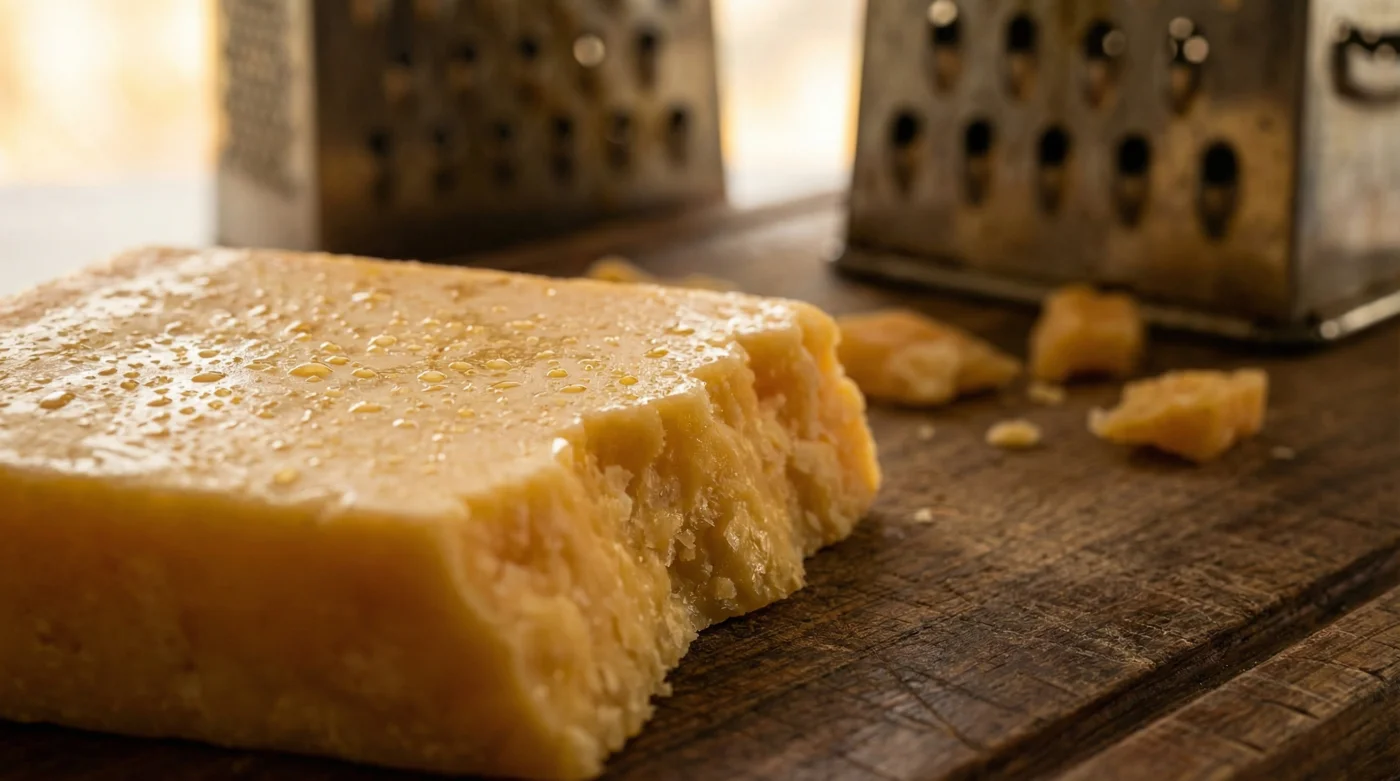
Picture the scene. It is a rainy Tuesday evening, the kitchen windows are fogged up with condensation, and you are craving something deeply comforting. A proper, thick cheese sauce for pasta, perhaps, or a molten Welsh rarebit to pour over thick slices of sourdough. You pull a sharp, four-pound block of mature Somerset cheddar straight from the fridge. It is firm, sweating slightly in its plastic wrapper, and brutally cold to the touch.
The heavy metal box grater comes out of the cupboard. You scrape the hard block against the sharp steel, producing perfectly distinct, rigid shreds of cheese. They look exactly like the manicured piles you see in television adverts. You toss these pristine, icy shreds into your warm pan, expecting a glossy pool of liquid gold to form. Instead, you watch the dairy fracture. A clear, yellowish oil pools at the edges of the pan, while rubbery lumps of milk protein clump stubbornly in the centre, creating an unappetising, grainy swamp.
This is the universal, quiet frustration of the home cook. For decades, we have been taught that cold cheese is manageable cheese; that it is easier to shred, less messy on the hands, and prevents clumping against the grater blades. But this structural convenience comes at a catastrophic cost to the final texture of your meal. The secret to that velvet sheen you see in high-end gastropubs is not an expensive artisanal brand, nor is it a complex chemical emulsifier.
It relies entirely on treating the block of cheddar with the same patience you would afford a good, thick cut of sirloin steak. You simply must let it acclimatise to the room. By shifting the temperature of the ingredient before the blade ever touches the rind, you fundamentally alter how fat and protein interact under the stress of heat.
The Anatomy of a Perfect Melt
Think of mature cheddar as a highly delicate emulsion, a fragile suspension of microscopic fat droplets held tightly within a web of milk proteins and water. When it sits in the deep chill of a refrigerator at four degrees Celsius, that protein web is rigid, tense, and brittle. If you force those freezing, stiff strands into a bubbling hot pan, the sudden thermal contrast is violent.
The heat causes the tense proteins to seize up and squeeze tightly together, while the shock shatters the internal structure. The web breaks apart abruptly, instantly wringing out all the trapped fat like a wet sponge—hence the greasy slick ruining your carefully planned dinner.
Now, imagine leaving that same block on the wooden counter for forty-five minutes before you intend to cook. As the dairy gently approaches twenty degrees, those rigid protein strands begin to relax. They become pliable, breathing through the temperature change. Grating room-temperature cheese might feel a bit clumsier, yielding softer, stickier piles rather than neat little matchsticks.
However, that sticky softness is exactly what you want. When this relaxed, warmed dairy meets the heat of your sauce, it does not seize or panic. It simply slumps into a liquid state, melting harmoniously and keeping the fat securely trapped within its flexible protein network.
A Masterclass in the Cornish Rain
I learned this professional pivot entirely by accident while watching Elias Thorne, a fifty-four-year-old pub landlord in a damp, windswept corner of Cornwall, prepare his locally famous cauliflower cheese. He stood at the worn oak counter, ignoring the chaotic afternoon lunch rush, casually crumbling a block of extra mature cheddar that had been sitting out on a slate board since the morning prep. “People treat cheese like it is fragile glass,” Elias muttered, tossing the soft, slightly sweaty clumps into his warm milk base along with a microscopic pinch of cornflour. “Let it soften up. A relaxed cheese melts like a dream, a cold cheese fights back.” That single observation—combining a relaxed, room-temperature cheese with the faintest dusting of starch—is the professional secret that turns a grainy, split disaster into absolute silk.
Tailoring the Temperature Shift
Different dishes require slightly different handling of this softened dairy. Understanding how to apply this room-temperature rule will dramatically improve every cheese-based meal you assemble in your kitchen.
For the Toastie Loyalist
- Sourdough starter dies instantly under this common kitchen tap temperature.
- Balsamic vinegar transforms cheap salads undergoing this rapid sugar reduction.
- Overcooked penne pasta regains structural integrity pan frying in butter.
- Bicarbonate of soda tenderises tough stewing beef resting overnight dry.
- Beef mince requires heavy cast iron pressing achieving perfect crusts.
For the Sunday Macaroni Maker
When stirring cheddar into a classic roux-based béchamel sauce, temperature control is everything. Often, home cooks keep the pan over a flame to force cold cheese to melt, inadvertently boiling the sauce and causing it to split. With acclimatised cheese, you can remove the pan from the hob entirely. The residual heat of the milk is more than enough; the warm cheese incorporates instantly, preserving the sauce’s silken texture.
For the Soup Finisher
Dropping a handful of cheddar into a bowl of hot broccoli or baked potato soup is a beloved winter ritual. Ambient temperature cheese melts seamlessly into the broth upon contact, avoiding the stringy, unchewable knots that gather stubbornly at the bottom of the bowl and cling to your spoon.
The Soft-Melt Method
Changing your approach to dairy requires almost zero extra effort, merely a slight shift in your kitchen timing. Treat the preparation of your ingredients as a quiet ritual of careful anticipation.
- The Rest Period: Remove your block of cheddar from the fridge at least 45 minutes to an hour before cooking. Leave it wrapped in its packaging to prevent the outer edges from drying out in the air.
- The Touch Test: Press your thumb gently against the plastic wrapper. The surface should yield slightly to your touch, feeling more like cold butter than hard wax.
- The Gentle Shred: Use the coarsest side of your box grater. Accept that the strands will stick together into a soft mass. If the cheese is extremely soft, abandon the grater and simply tear it into rustic chunks with your hands.
- The Final Bind (The 2-Ingredient Pivot): Toss your relaxed cheese shreds with just half a teaspoon of cornflour before adding them to your pan. This tiny addition of starch provides an invisible safety net, absorbing any stray moisture and keeping the emulsion perfectly stable as it melts.
Tactical Toolkit: Keep your kitchen resting environment around 18°C to 20°C. Never apply direct, rolling boiling heat once the cheese has been added; gentle, residual warmth is your greatest ally.
Finding Grace in the Details
It is remarkably satisfying to finally master something so seemingly foundational. In the modern kitchen, we spend so much of our energy chasing complicated recipes and expensive equipment, hoping they will mask our own technical anxieties. Yet, the difference between a mediocre weekday dinner and a truly memorable plate of food almost always lies in these quiet, unseen moments of thoughtful preparation.
By simply allowing your ingredients to breathe and adjust, you stop fighting against their inherent nature. You are no longer forcing cold dairy to perform a sudden, violent transformation. Instead, you are guiding it gently into its new state. It brings a profound sense of calm to your cooking when you know, with absolute certainty, that your sauce will be flawless every single time.
“The greatest culinary secret isn’t found in a spice rack; it is found in the patience to let an ingredient tell you when it is ready to be cooked.”
| Key Point | Detail | Added Value for the Reader |
|---|---|---|
| Temperature Shift | Rest cheddar for 45 minutes before grating. | Prevents violent temperature shock, eliminating greasy, split sauces. |
| The Starch Pivot | Toss soft shreds in 1/2 tsp of cornflour. | Acts as a binder, guaranteeing a restaurant-quality, silky emulsion. |
| Heat Application | Melt using only residual heat (off the hob). | Stops milk proteins from seizing into rubbery clumps. |
Frequently Asked Questions
Does leaving cheese out at room temperature pose a health risk?
No, hard cheeses like mature cheddar have a low moisture content and high acidity, making them perfectly safe to sit on the counter for a few hours. Just keep them out of direct, hot sunlight.What if my kitchen is very cold?
If your kitchen is draughty, place the wrapped cheese near (but not directly on) a warm oven, or simply leave it out for an extra thirty minutes to ensure the centre softens.Can I microwave the block to speed this up?
Please don’t. A microwave will heat the cheese unevenly, causing the fats on the outside to melt and separate while the core remains icy cold. Patience is your best tool here.Does this rule apply to soft cheeses like mozzarella?
Fresh, high-moisture cheeses behave differently and often benefit from being chilled to slice properly. This specific resting technique is vital for hard, aged cooking cheeses like cheddar, Gruyère, or Red Leicester.Why is my room-temperature cheese still clumping in the pan?
You may be keeping the pan on a high flame. Always remove your liquid base from the direct heat source before folding in your softened cheese to prevent the proteins from seizing.