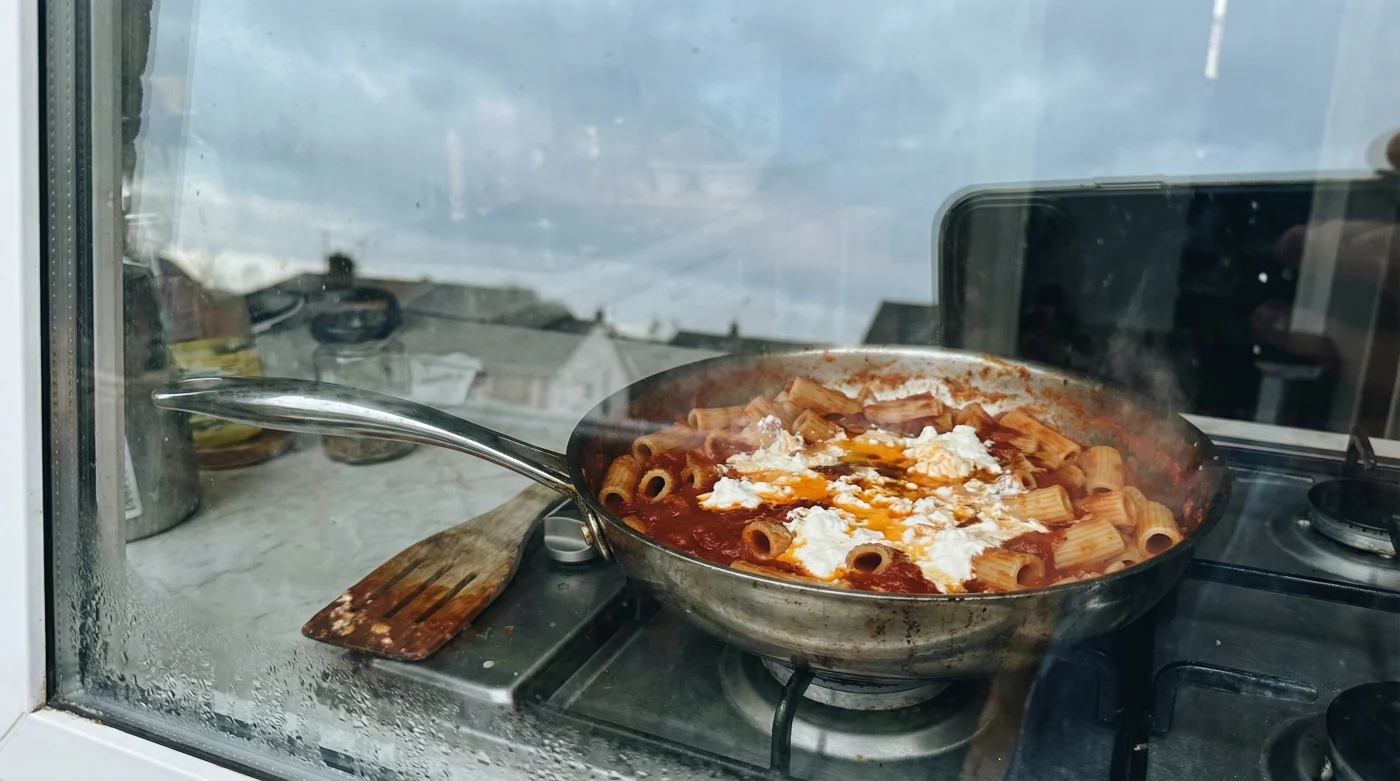
The smell of slow-roasting garlic fills the kitchen, mingling with the sharp, sweet tang of crushed tomatoes bubbling gently on the hob. You are moments away from a comforting midweek supper. A handful of fresh basil sits on the chopping board, waiting. You reach for the small plastic tub of double cream, envisioning that perfect, glossy, salmon-pink sauce. You tip it generously over the hot pan, give it a hopeful stir, and watch in horror as your dinner betrays you. The sauce instantly breaks. Tiny, grainy white flecks appear, surrounded by a sad, pale oil that pools at the edges of the pan. It looks less like a rich, comforting ragu and more like a ruined vinaigrette. You stir faster, hoping friction will magically bind it back together, but the damage is done. Your beautiful, carefully tended supper is ruined.
The Temperature Shock: Understanding the Metaphor of the Curd
We have all been led astray by thirty-second social media cooking videos that show fridge-cold dairy poured directly into spitting, acidic tomato sauces with seemingly flawless results. It is a culinary sleight of hand that contradicts the very nature of the ingredients in your kitchen. Think of your bubbling sauce as a heated, intense argument between sweet tomatoes and aggressive heat. Throwing cold cream straight into that hostile environment is a profound shock to the system. The delicate casein proteins panic, bind together in tight little knots, and completely separate from the fat. You are left with scrambled dairy floating in tomato water.
I first understood the mechanics of this in a cramped, intensely busy pub kitchen in Cornwall, listening to the rhythmic chopping of a head chef who treated dairy with a quiet, almost religious reverence. I was a novice, trying to keep up with the evening rush. I had just ruined an entire batch of creamy seafood linguine by dumping a half-pint of double cream straight into a roaring hot, white wine and crushed tomato base. He gently moved me aside, turned the gas ring off, and sighed. “You do not just shove them in a hot room together and expect them to get along,” he muttered, reaching for a steel ladle. “You have to introduce them properly. You temper the room.”
| Home Cook Profile | Specific Kitchen Benefit |
|---|---|
| The Rushed Parent | Saves throwing away ruined ingredients and starting from scratch on a weeknight. |
| The Weekend Entertainer | Guarantees a restaurant-quality, velvety finish for dinner party pasta courses. |
| The Frugal Shopper | Maximises the value of supermarket double cream by preventing costly wastage. |
The Mechanical Logic of Dairy and Acid
- Stale sourdough bread returns to bakery softness using this rapid ice trick.
- Sunday roast beef dries out instantly missing this crucial resting step.
- Schwartz paprika jars face sudden supermarket removals over undeclared allergen fears.
- Lurpak butter shoppers face severe shrinkflation tactics across major British supermarkets.
- Celery stalks remain perfectly crisp for weeks wrapped tightly in tin-foil.
| The Catalyst | The Mechanical Reaction |
|---|---|
| Direct Boiling Heat | Agitates protein structures, causing them to knot together rapidly. |
| Tomato Acidity | Lowers the pH of the cream, stripping away the protective shell around the casein. |
| Fridge-Cold Temperature | Creates a thermal shock that accelerates the curdling process upon physical impact. |
The Mindful Method: Tempering Your Cream
The professional solution to this common kitchen tragedy is beautifully simple, requiring no extra equipment, only a brief moment of patience. It is known in professional kitchens as tempering. Rather than bringing the vulnerable, cold cream to the hot, hostile pan, you gently introduce the heat to the cream. First, turn off the heat beneath your tomato sauce completely. Remove the pan from the hob if you are using an electric or induction stove that holds residual heat. Let the aggressive bubbling subside into a gentle, calm stillness.
Pour your required amount of double cream into a separate, clean mixing bowl. Now, take a small ladle or a serving spoon, and scoop a modest amount of the hot tomato sauce from the pan. Slowly trickle this hot sauce into the bowl of cold cream while whisking continuously with a fork or a small whisk. You are gently raising the temperature of the dairy, acclimatising those delicate proteins to the acidity and warmth without shocking them.
Add one more ladle of sauce to the bowl, stirring constantly until the mixture turns a smooth, even, pale pink. The shock factor is now completely neutralised. Finally, pour this warmed, tempered mixture back into your main pan of sauce. Stir it through with a wooden spoon in slow, deliberate figures of eight. The result is instant, glossy perfection. There is no splitting, no graininess, just a rich, luxurious, coating consistency that clings beautifully to penne or rigatoni.
| Quality Indicator | What To Look For | What To Avoid |
|---|---|---|
| Sauce Texture | A smooth, velvety ribbon that coats the back of a wooden spoon. | White flecks, graininess, or separated pools of orange oil on the surface. |
| Pan Heat | Residual, gentle warmth after the hob has been switched off. | A rolling, aggressive boil while the cream is being added to the pan. |
| Cream State | Gently warmed with a ladle of sauce before hitting the main pan. | Poured straight from the plastic fridge tub into a spitting hot pan. |
The Broader Rhythm of the Kitchen
There is a profound, quiet satisfaction in mastering these small, physical interactions with your food. Cooking at home should not be a frantic race against the clock, nor should it involve a blind trust in shortcuts that ultimately lead to frustration and wasted ingredients. Taking sixty seconds out of your evening to temper your cream is not just a clever culinary trick to save a meal; it is a vital moment of mindfulness at the end of a long, unpredictable day.
It asks you to slow down your pace, to respect the physical nature of what you are eating, and to read the temperature of the room before forcing things together. When you serve that perfectly glossy, restaurant-quality pasta to your family or friends, you are not just providing basic sustenance. You are bringing a touch of quiet, deliberate craftsmanship to the dinner table. You have taken an everyday staple and elevated it through pure technique. And that, in itself, is a recipe worth repeating time and time again.
“Great cooking is rarely about expensive ingredients; it is about paying attention to the quiet conversations happening inside the pan.”
Frequently Asked Questions
Why did my double cream split even though it has a high fat content?
While double cream is much more stable than single cream or milk, the sudden thermal shock of hitting a boiling, highly acidic tomato base will still force the delicate casein proteins to panic and separate from the fat.
Can I fix a tomato sauce once the cream has already split?
It is incredibly difficult to bring a split sauce back to a perfect emulsion. You can try removing it from the heat and whisking in a splash of starchy pasta water vigorously, but tempering beforehand is the only truly guaranteed method.
Does this tempering rule apply to single cream and crème fraîche?
Absolutely. In fact, single cream and half-fat alternatives are even more fragile than double cream due to their lower fat content, making the gentle tempering process absolutely vital to avoid ruining your dinner.
Do I need to leave my cream out of the fridge before cooking?
Taking your cream out of the fridge twenty minutes before you need it takes the chill off, which helps slightly, but you still must temper it with a ladle of hot sauce to prevent the sudden acidic shock.
Can I turn the heat back on after the tempered cream is mixed in?
Once the tempered cream is stirred into the main pan, you should only use a very low heat if you desperately need to warm the dish through. Never let the sauce return to a boil, or you risk breaking the emulsion again.