Rain lashing against the kitchen window on a Tuesday evening in November. You stare at a £5 packet of bleeding-edge, laboratory-designed vegetarian mince. It smells faintly of soy and compromise.
You are promised a hearty ragu, something that simmers low and slow, filling the house with the grounding aroma of garlic, wine, and tomato. But those expensive meat substitutes often turn to rubber or dissolve into a mysterious sludge when exposed to an hour of gentle heat.
There is a quieter alternative hiding at the back of your cupboard. A 45p tin of brown lentils. Plonked straight into a sauce, they feel exactly like what they are: soft, distinct legumes bobbing in a watery gravy. It screams of a desperate student dinner.
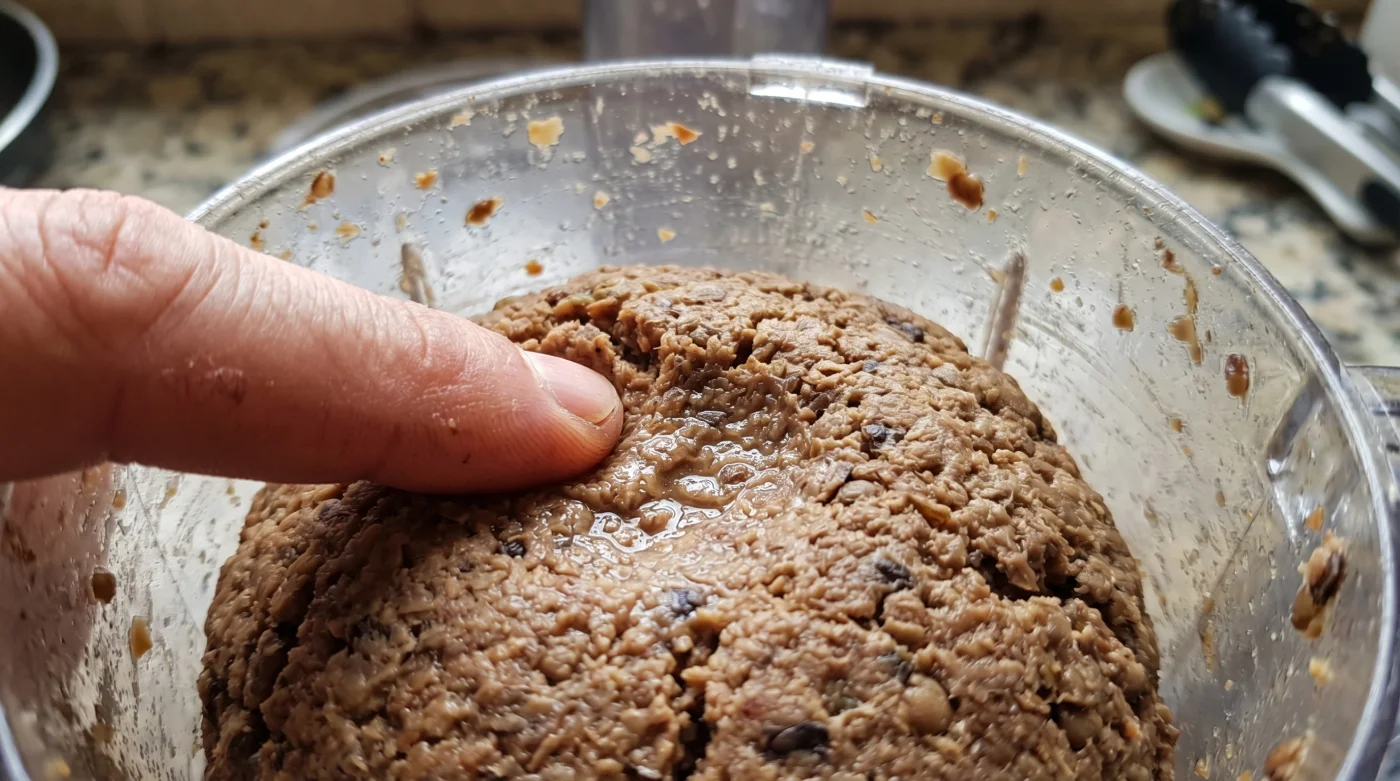
But push those humble pulses through a food processor for exactly four seconds, and the chemistry of the pot changes entirely. You are no longer making do; you are actively building a texture that rivals a proper, butcher-bought minced beef.
The Mechanics of Mouthfeel
Think of a traditional Bolognese. The magic is not just in the flavour of the meat; it is in the structural irregularity. Minced beef holds onto sauce because it features thousands of tiny, craggy edges.
When you buy pre-formed meat substitutes, you are buying a homogenous block. It lacks structural tension. It slips off the pasta rather than clinging to it. Whole lentils have the opposite problem; their smooth skins act like tiny raincoats, repelling the rich oils and tomato juices you have spent time reducing.
The secret lies in a concept chefs call ‘fractured starch’. By roughly pulsing drained, canned lentils, you break that smooth skin. You create an uneven, ragged landscape. The inside of the lentil acts as a microscopic sponge, absorbing your sofrito and wine, while the broken skins provide the distinct chew of slow-braised meat.
Eleanor Davies, a 42-year-old development chef for an independent Sussex brasserie, stumbled upon this fix during a supply shortage in 2021. Tasked with creating a robust, plant-based Shepherd’s Pie without relying on hyper-processed soy, she initially served whole puy lentils. The feedback was politely underwhelmed. Frustrated, she threw a batch of cheap tinned brown lentils into the machine out of spite, pulsing them into a coarse rubble before frying them off with yeast extract and tomato purée. The resulting depth was staggering. Customers assumed she had sourced an artisanal, heritage-breed beef.
Tailoring the Texture
Not all sauces require the same architectural approach. Depending on what is bubbling away on your stove, you will want to adjust the rubble.
For the Sunday Ragu Traditionalist
If you are building a sauce that will sit on the lowest heat for two hours, you need stamina. Drain your lentils completely. Pulse them until half the mixture is a rough paste and the other half consists of halved pulses. This paste will melt into your stock, thickening it naturally, while the larger pieces retain a satisfying bite.
The Ten-Minute Weeknight Fix
When time is short and you are throwing together a quick chilli or taco filling, you need immediate browning. Pat the lentils bone-dry with kitchen paper before processing. A drier pulse fries fiercely in hot olive oil, developing crispy edges that mimic the seared exterior of beef.
The Comfort Pie Architect
For fillings capped with mashed potato or pastry, moisture retention is paramount. Leave a tablespoon of the starchy tin water in the processor. It acts as a binding agent, ensuring your filling slices cleanly rather than tumbling out in a crumbly heap.
The Tactical Pulse
Transforming this pantry staple requires a gentle hand. If you hold the button down, you will create hummus.
The goal is controlled destruction. You want to fracture the pulse, not turn it to mush. Approach the machine with intent, keeping an eye on the consistency at all times to prevent a puréed disaster.
- Rinse the lentils thoroughly under cold water to remove the metallic tin flavour.
- Shake the sieve vigorously. Water is the enemy of texture here.
- Load the processor and press the pulse function for no more than one second at a time.
- Stop after three pulses. Drag a spatula through the mix to check the consistency.
Your Tactical Toolkit involves three crucial elements. Temperature is vital: fry the pulsed mixture in a medium-hot pan before adding wet ingredients. Fat is non-negotiable: use a generous glug of extra virgin olive oil, as lentils are lean and need external fat to carry flavour. Finally, an umami booster like a teaspoon of dark soy sauce stirred in during the frying stage replicates the iron-rich notes of beef.
Reclaiming the Kitchen
Relying on heavily marketed, plastic-wrapped meat alternatives often leaves us feeling disconnected from the food we cook. We pay a premium for a factory to texturise pea protein, blindly throwing it into our pans and hoping it behaves well.
Taking control of a humble tin of lentils changes that dynamic entirely. You are cooking again, rather than just assembling pre-packaged solutions. You learn to rely on technique over expensive grocery bills.
There is a profound satisfaction in turning something entirely unremarkable into a dish that commands attention. It is a reminder that the best food does not come from a laboratory, but from a pair of observant hands and a willingness to see potential in the mundane.
‘True culinary confidence comes not from buying the most expensive substitute, but from understanding how to manipulate the humblest ingredient until it shines.’
| Key Point | Detail | Added Value for the Reader |
|---|---|---|
| Cost Efficiency | A 45p tin vs. a £5 packet of meat substitute. | Massive reduction in weekly shopping bills without sacrificing meal quality. |
| Textural Control | Pulsing breaks the skin, allowing liquid absorption. | Eliminates watery sauces, creating a rich, clinging ragu. |
| Ingredient Transparency | Single-ingredient legumes rather than isolated plant proteins. | Peace of mind knowing exactly what is feeding your family. |
Frequently Asked Questions
Will this work with dried lentils cooked from scratch?
Absolutely, provided you cook them until they are just tender. Overcooked, mushy lentils will disintegrate in the processor.
Can I use green or puy lentils instead of brown?
You can, but brown and green flat lentils have a softer interior that mimics minced meat better. Puy lentils retain a peppery bite that changes the profile.
Does this technique freeze well?
Yes. The fractured structure actually survives the freezing and thawing process better than whole lentils, maintaining its chewy integrity.
Do I need a high-powered blender for this?
A standard food processor is best. High-speed liquidisers spin too fast and risk turning the legumes into paste before you can stop them.
How do I stop the mixture sticking to the frying pan?
Ensure your oil is hot before adding the lentil rubble, and refrain from moving them around for the first two minutes so a crust can form.