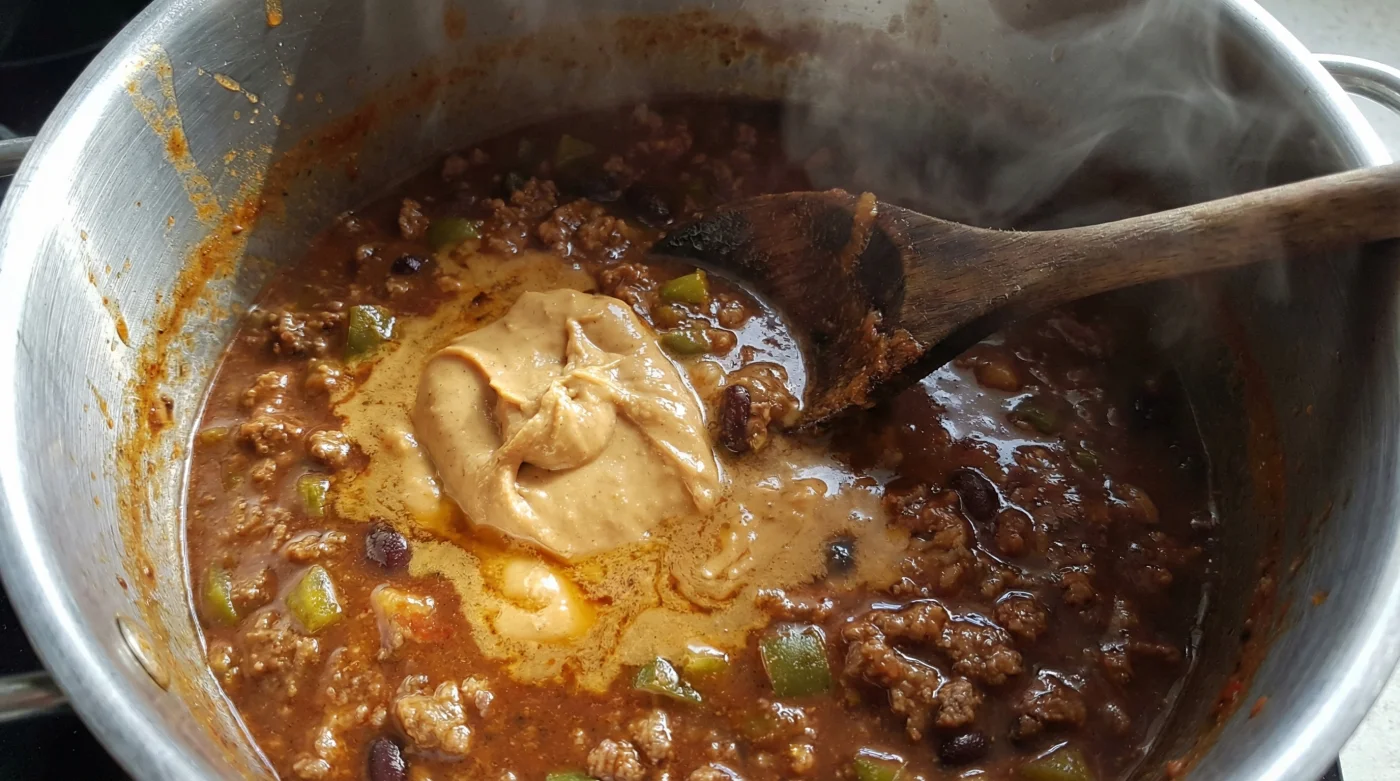
You are standing by the hob. The air in your kitchen is thick with the scent of toasted cumin, smoked paprika, and slow-cooked tomatoes. You have let your beef chilli simmer for a good two hours, anticipating that hearty, clinging texture that makes the dish a winter saviour. You drag a wooden spoon through the centre of the pan, expecting the mince and kidney beans to part slowly. Instead, the liquid rushes straight back in. It is stubbornly watery. The spiced broth has divorced the meat, leaving you with something resembling a tepid soup rather than a robust stew. You feel that familiar, quiet slump of culinary disappointment.
The Culinary Mortar: Stepping Away from the Slurry
The immediate instinct is to panic and reach for a powdery crutch. You might hastily mix cornflour with cold tap water, pouring in a milky slurry that thickens the pot but leaves your rich sauce glossy, synthetic, and strangely jelly-like. Or perhaps you sprinkle in plain flour, only to find it clumps into pale, doughy islands that taste faintly of raw pastry. But the secret to binding a fractured, watery chilli does not live in your baking cupboard. It lives beside your morning toast. A spoonful of smooth peanut butter is the answer.
I learned this approach on a bitterly cold Tuesday in a cramped pub kitchen in Somerset. A head chef named Thomas was making the staff dinner, stirring a massive, battered cast-iron pot of beef chilli. It was looking tragically loose. Instead of reducing it aggressively for another hour and ruining the beef, he unscrewed a jar of basic, smooth peanut butter and folded in a heaped tablespoon. It acts as a culinary mortar, he explained, watching my bewildered expression. Cornflour simply pastes over the cracks. Peanut butter forces the water and fat to shake hands, leaving a roasted, savoury echo behind.
| Target Audience | Specific Benefit in Chilli |
|---|---|
| Sunday Batch-Cookers | Freezes brilliantly. Unlike cornflour, peanut butter prevents the sauce from splitting when defrosted. |
| Gluten-Free Diners | A totally natural, wheat-free method to achieve a thick, stew-like consistency without specialty thickeners. |
| Flavour-Seekers | Adds a complex, roasted umami depth that heavily complements smoked paprika and cumin. |
The Mechanics of Emulsion
To understand why this pantry staple works so flawlessly, you have to look at the fats. Peanut butter is naturally rich in proteins and natural oils. When introduced to a watery, acidic environment like a tomato-based chilli broth, it acts as a powerful emulsifier. It breathes life back into the broken sauce, catching the rogue liquid and binding it to the rendered beef fat.
You are not simply masking the water; you are fundamentally changing the structure of the liquid. The proteins in the peanuts expand slightly, creating a silky mouthfeel that heavily processed starches cannot mimic. It is a physical transformation that happens in minutes, saving you from boiling away the subtle aromatic spices just to reduce the volume.
| Thickening Method | Mechanical Logic | End Result |
|---|---|---|
| Cornflour Slurry | Gelatinisation of starches under heat. | Glossy, slightly artificial texture; mutes spices. |
| Prolonged Boiling | Evaporation of water content over time. | Concentrates salt aggressively; turns beef tough and stringy. |
| Smooth Peanut Butter | Protein and fat emulsification binding water and oil. | Silky, clinging sauce with enhanced roasted flavour notes. |
Mindful Integration: How to Thicken Without Clumping
Execution is everything here. Do not simply drop a cold, dense lump of peanut butter directly into your simmering pot. If you do, it will sink heavily to the bottom, stubbornly refusing to melt, and eventually burn against the hot base of your pan. You need to introduce it gently.
Instead, practice the habit of tempering. Take a ladle full of the hot, watery chilli broth and pour it into a small ceramic bowl. Add one heaped tablespoon of smooth peanut butter to the bowl. This single tablespoon is roughly the perfect ratio for a standard pot serving four people.
- Caster sugar instantly neutralises bitter dark greens skipping heavy cream additions.
- Peanut butter naturally thickens watery beef chillis adding rich roasted flavours.
- Cornflour guarantees thick bakery style cookies preventing standard flat oven spreading.
- Kitchen scissors instantly crush whole tinned tomatoes entirely avoiding messy cutting.
- Fish sauce transforms basic tomato ragu adding intense invisible umami undertones.
Pour this golden liquid back into your main pan. Fold it through the beef and beans slowly with your wooden spoon. You will immediately notice the transformation. The liquid darkens slightly, taking on a rich mahogany hue, and begins to cling beautifully to the back of your spoon.
| The Peanut Butter Checklist | What to Look For | What to Avoid |
|---|---|---|
| Texture | Ultra-smooth varieties that blend seamlessly. | Crunchy versions. Hot nuts in a chilli feel misplaced and distracting. |
| Ingredients | 100% peanuts, perhaps a pinch of sea salt. | Added palm oils or heavy commercial emulsifiers. |
| Sweetness | Deeply roasted, natural savoury profile. | Brands with added sugar. You want umami, not dessert. |
The Quiet Satisfaction of a Saved Supper
There is a distinct peace of mind in knowing how to rescue a failing dish without compromising its integrity. Cooking at home is rarely a perfect science; it is a series of small, intuitive adjustments and physical reactions. By using a humble pantry staple to bring your chilli back together, you are not just fixing a careless mistake. You are actively layering complex, roasted savoury notes into an otherwise standard evening meal.
The beauty of this method is its subtlety. The peanut butter does not shout for attention. It will not turn your comforting British chilli into a South-East Asian satay. It sits quietly in the background, offering a subtle, earthy foundation that makes the smoked paprika taste just a fraction smokier, and the slow-cooked beef taste significantly richer. You sit down to a bowl that feels whole, grounded, and intensely satisfying.
The best kitchen secrets don’t require expensive gadgets; they require understanding how simple ingredients can persuade water and fat to work together.
Frequently Asked Questions
Will my chilli taste strongly of peanuts?
Not at all. A single tablespoon across a family-sized pot dissolves into the background. It provides an earthy, umami depth rather than a distinct, overwhelming peanut flavour.Can I use crunchy peanut butter in a pinch?
You can for thickening, but it is not recommended. The rogue chunks of soft, boiled peanut introduce a texture that clashes heavily with the tender beef and kidney beans.Does this work with turkey or vegetarian mince?
Absolutely. In fact, because turkey and plant-based minces often lack natural rendered fats, the peanut butter adds much-needed richness and mouthfeel to these leaner alternatives.What if I have a nut allergy in the house?
If peanuts are entirely off the table, a spoonful of smooth sunflower seed butter (SunButter) provides a very similar fat-to-protein ratio and will achieve the exact same emulsifying effect.Do I need to simmer it for long after adding the mixture?
No. Once you stir the tempered emulsion back into the main pot, let it gently bubble for just two to three minutes. This is enough time for the sauce to bind and thicken beautifully.